

It's a fresh day, and with it comes the opportunity for clarity and renewal in all aspects of your health journey. For many, navigating the complexities of medication and its potential side effects can feel overwhelming. If you're taking blood thinners and experiencing erectile dysfunction (ED), you might be wondering about the connection. Let's explore this topic with a supportive and encouraging approach, focusing on progress and understanding.
Understanding Blood Thinners
Blood thinners, also known as anticoagulants or antiplatelet drugs, are essential medications for many individuals. They are prescribed to prevent blood clots, which can lead to serious conditions like heart attacks, strokes, and pulmonary embolisms. Common examples include warfarin, aspirin, clopidogrel, and newer oral anticoagulants (NOACs).
These medications work by either reducing the ability of blood to clot or by preventing platelets from sticking together. While life-saving for many, they can sometimes come with a range of side effects, and their impact on sexual health is a common concern.
The Connection Between Blood Thinners and ED
It's important to understand that blood thinners themselves are not typically prescribed to treat erectile dysfunction. In fact, some individuals taking blood thinners may experience ED, leading to questions about a potential link.
Indirect Links and Underlying Conditions
Often, the connection isn't direct but rather tied to the underlying health conditions that necessitate blood thinner use. Conditions like heart disease, high blood pressure, and diabetes, which often require blood thinners, are also significant risk factors for ED. These conditions can affect blood flow to the penis, damage blood vessels, and impair nerve function, all of which are crucial for achieving and maintaining an erection.
- Cardiovascular Health: Blood thinners are frequently prescribed for cardiovascular issues. Poor cardiovascular health directly impacts the circulatory system, including the blood vessels responsible for penile erections. When blood flow is compromised, ED can occur.
- Blood Pressure Medications: While not blood thinners themselves, many individuals on blood thinners also take medications for high blood pressure. Some blood pressure medications (like certain beta-blockers or diuretics) are known to contribute to ED as a side effect.
- Psychological Factors: The stress and anxiety associated with managing a chronic health condition, especially one requiring daily medication like blood thinners, can also contribute to psychological ED. It's a fresh day to acknowledge these feelings and seek support.
Do Blood Thinners Directly Cause ED?
There is limited direct evidence to suggest that blood thinners directly cause ED. However, some theories and observations exist:
- Nitric Oxide Pathway: The process of erection involves the release of nitric oxide, which relaxes smooth muscles and allows blood to flow into the penis. Some research suggests that certain medications, including some used in conjunction with blood thinners, might interfere with this pathway.
- Bleeding Risk and Anxiety: The awareness of increased bleeding risk associated with blood thinners might cause anxiety during sexual activity, which can itself lead to ED. This psychological component is a valid and important factor to consider.
Seeking Clarity and Solutions
If you're experiencing ED while on blood thinners, it's a fresh opportunity to discuss this with your healthcare provider. Open communication is key to finding solutions that support both your cardiovascular health and your sexual wellness.
What Your Doctor Might Consider:
- Reviewing Medications: Your doctor can review all your current medications, not just the blood thinners, to identify any potential contributors to ED. Sometimes, adjusting dosages or switching to an alternative medication (if appropriate for your condition) can make a difference.
- Addressing Underlying Conditions: Ensuring your underlying health conditions (heart disease, diabetes, high blood pressure) are well-managed is crucial. Improving overall health often has a positive ripple effect on sexual function.
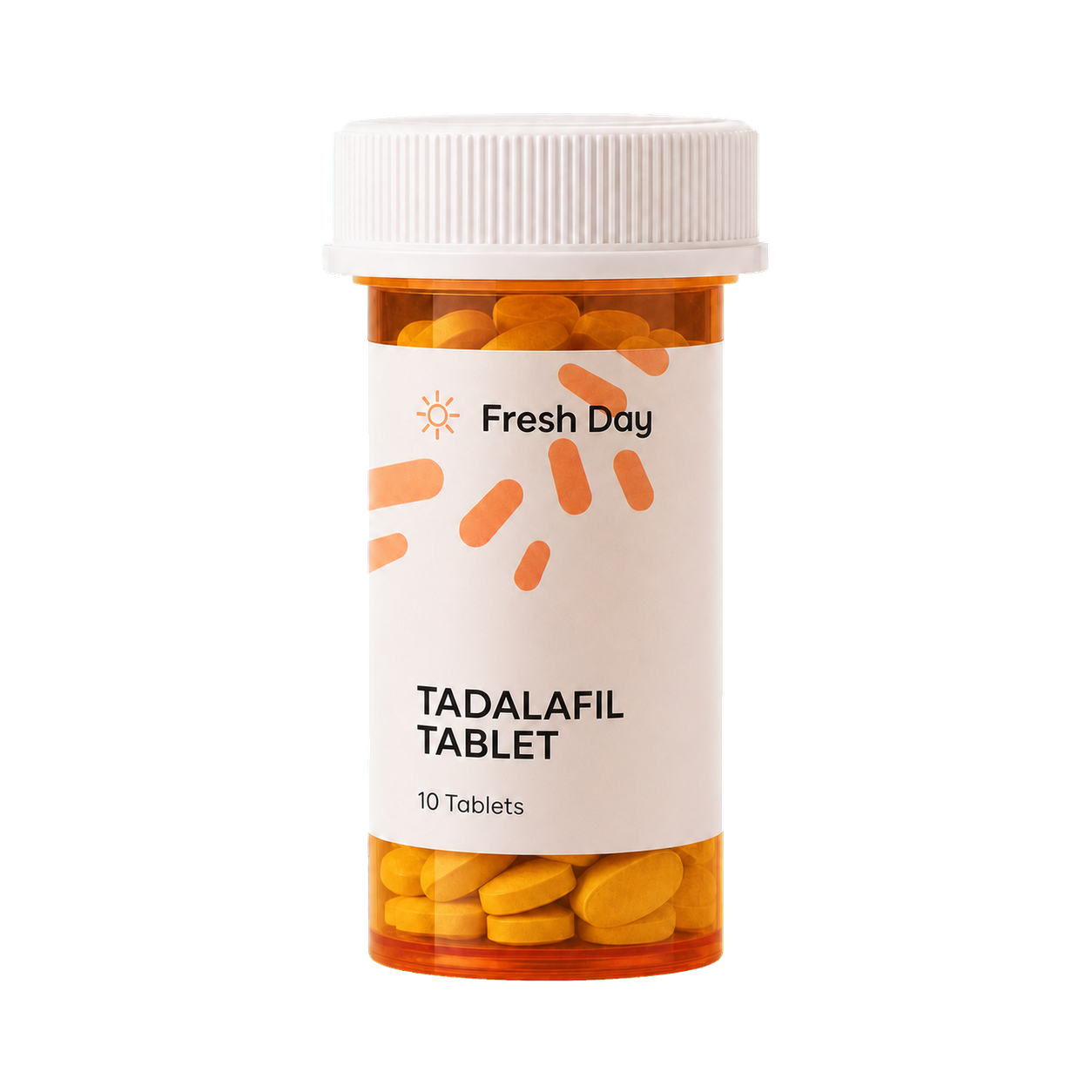
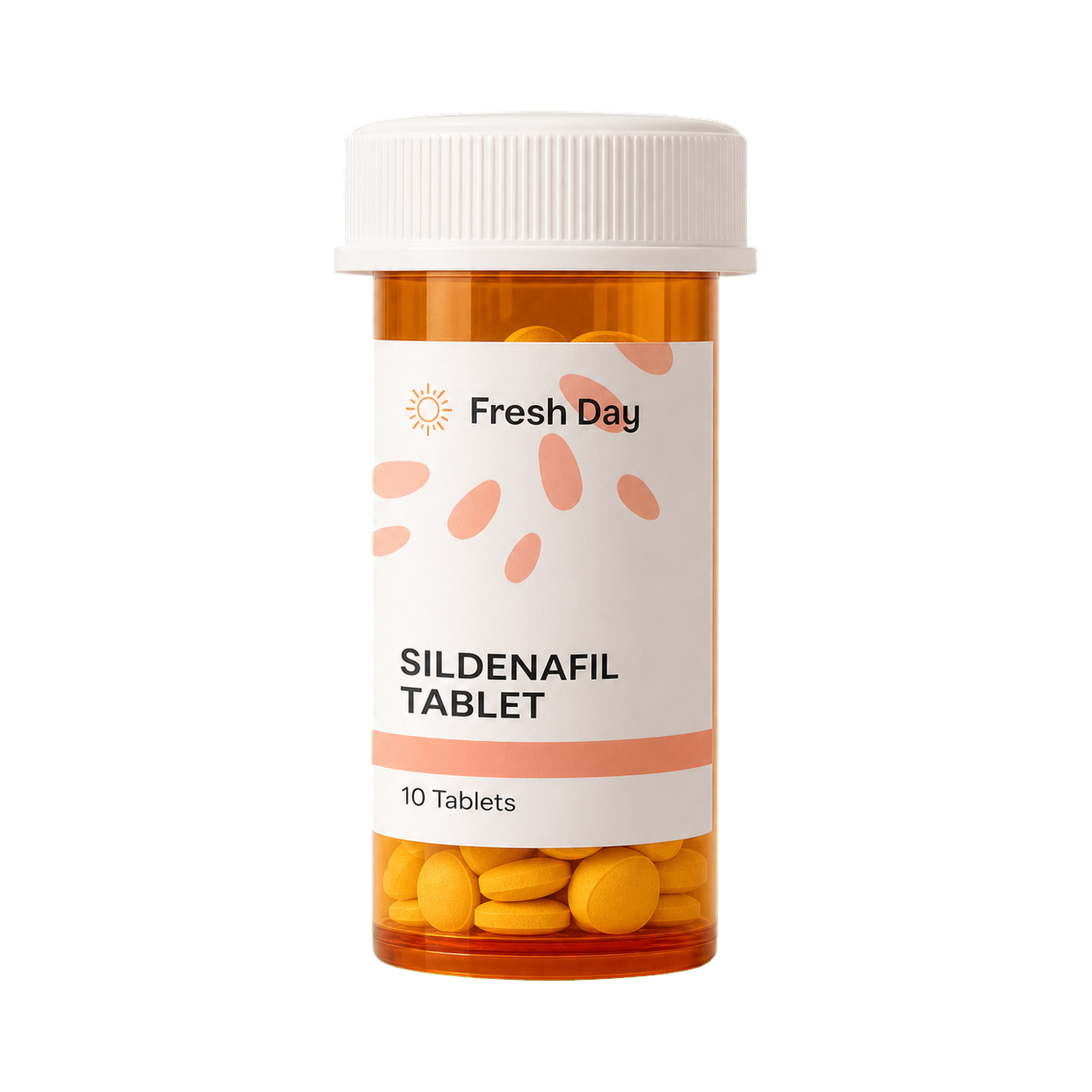
- ED-Specific Treatments: Many ED treatments are available, and your doctor can help determine if they are safe for you to use while on blood thinners. For example, medications like sildenafil (Viagra) and tadalafil (Cialis) work by increasing blood flow to the penis. However, it's vital to discuss potential interactions with your blood thinners, as some combinations might increase bleeding risk or have other adverse effects. Your doctor will weigh the benefits and risks carefully.
- Lifestyle Adjustments: Small, consistent steps can lead to meaningful transformation. Lifestyle changes such as regular exercise, a balanced diet, stress management, and quitting smoking can significantly improve ED symptoms and overall health. These are powerful tools for renewal and balance.
- Psychological Support: If anxiety or stress is playing a role, seeking counseling or therapy can be incredibly beneficial. A fresh perspective can help you navigate these challenges and reclaim confidence.
A Fresh Day, For a New You
Experiencing ED while on blood thinners can be concerning, but it's not a journey you have to navigate alone. Fresh Day Meds is here to support you in seeking clarity and finding solutions that lead to renewal, balance, and lasting vitality. Every sunrise is a chance to start over, and change doesn't start on Monday—it starts today.
Consult today, new you tomorrow. Your health journey is unique, and with the right support and information, you can take confident steps towards a brighter tomorrow.