

Starting a new fitness routine or looking to boost your performance often involves considering supplements like creatine. It's a popular choice, known for its ability to enhance strength and muscle mass. But if you're also focused on maintaining healthy hair, a common question might arise: "Does creatine cause hair loss?" It's a fresh and valid concern, and at Fresh Day Meds, we believe in providing clarity so you can pursue your wellness goals with confidence.
Let's cut through the myths and focus on the science to understand the potential connection between creatine and hair health. Every step you take towards a healthier, more vibrant you should be backed by reliable information.
What is Creatine and How Does It Work?
Creatine is a naturally occurring compound found in muscle cells. It helps your muscles produce energy during high-intensity exercise or heavy lifting. Supplementing with creatine can increase your body's stores of phosphocreatine, which then helps produce more ATP (adenosine triphosphate) – the primary energy currency of your cells. This increased energy availability allows for better performance during short bursts of activity, leading to greater strength gains and muscle growth over time.
For many, creatine is a valuable tool in their fitness journey, embodying the spirit of progress and renewal. It's about optimizing your body's natural processes to achieve new levels of vitality.
The Link to Hair Loss: DHT and Creatine
The central point of concern regarding creatine and hair loss revolves around a hormone called dihydrotestosterone, or DHT. DHT is a potent androgen derived from testosterone and is well-known for its role in male pattern baldness (androgenic alopecia). In individuals genetically predisposed to hair loss, DHT can bind to receptors in hair follicles, causing them to shrink and eventually stop producing hair.
So, where does creatine fit in?
One study, published in 2009 in the Clinical Journal of Sport Medicine, investigated the effects of creatine supplementation on DHT levels in rugby players. The study found that creatine supplementation was associated with a significant increase in DHT levels. Specifically, DHT levels increased by 56% after a 7-day loading phase and remained 40% above baseline after 14 days of maintenance.
This single study is often cited as the primary evidence linking creatine to hair loss. The concern is that if creatine increases DHT, and DHT causes hair loss, then creatine could indeed contribute to hair thinning or baldness.
What Does the Science Really Say?
While the 2009 study did show an increase in DHT, it's crucial to consider a few points:
- Limited Research: This is one of the very few studies directly investigating creatine's effect on DHT and hair loss. More comprehensive research is needed to draw definitive conclusions.
- No Direct Hair Loss Observed: The study measured DHT levels, but it did not directly measure hair loss or hair thinning in the participants. There's a difference between a marker (DHT) and an outcome (hair loss).
- Individual Variability: The impact of DHT on hair loss varies greatly among individuals, largely depending on genetic predisposition. Not everyone with elevated DHT will experience significant hair loss.
- Other Factors: Hair loss is a complex issue influenced by numerous factors, including genetics, stress, nutrition, and other hormonal imbalances. Attributing it solely to creatine might be an oversimplification.
Many experts believe that while creatine might modestly increase DHT, the evidence is not strong enough to definitively say it causes hair loss for everyone. For those not genetically predisposed to male pattern baldness, any potential increase in DHT might not be enough to trigger noticeable hair thinning.
Making Informed Choices for Your Hair Health
If you're using creatine and are concerned about hair loss, or if you're considering starting creatine, here's a fresh approach to navigating your choices:
- Assess Your Risk: If male pattern baldness runs in your family, you might be more sensitive to any potential increase in DHT. Understanding your genetic predisposition can bring clarity to your health journey.
- Monitor Your Hair: Pay attention to any changes in your hair density or hairline. Early detection allows for proactive steps.
- Consult a Professional: Discuss your concerns with a healthcare provider or a dermatologist. They can offer personalized advice based on your individual health profile and hair health goals. They might suggest checking hormone levels or exploring other hair loss treatments if appropriate.
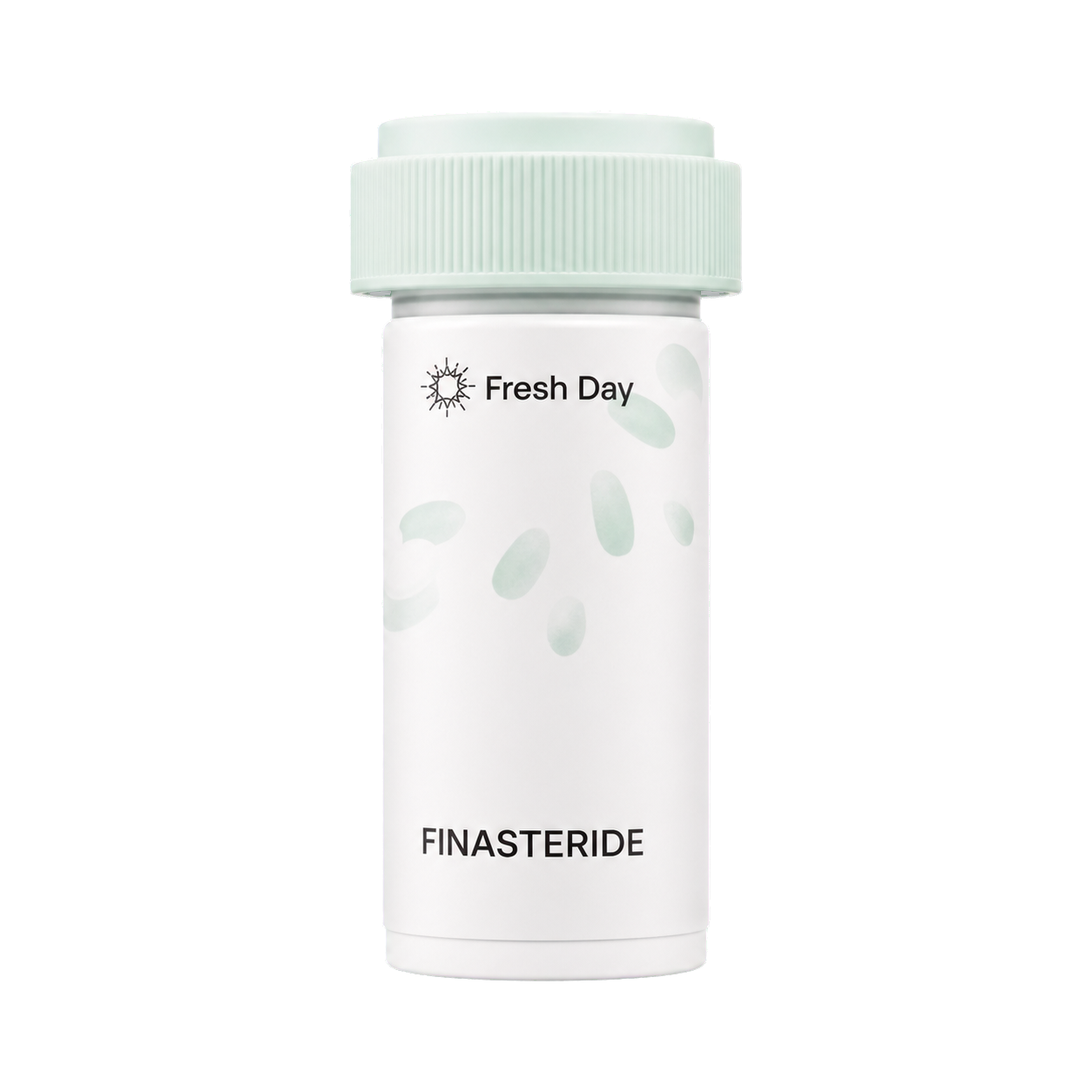
- Consider Alternatives: If the potential risk outweighs the benefits for you, or if you're experiencing hair loss, there are other strategies and treatments available to support hair regrowth and health. Options like finasteride and minoxidil are scientifically proven to combat hair loss and can be part of a comprehensive hair health plan.
A Fresh Approach to Hair and Wellness
At Fresh Day Meds, we believe in empowering you with knowledge to make balanced decisions for your well-being. The link between creatine and hair loss is not entirely clear-cut, and it's important to weigh the available evidence against your personal circumstances and goals.
For those seeking renewal in their hair health journey, remember that every sunrise is a chance to start over. If you're noticing hair thinning or loss, don't let it dim your optimism. Consult today, New You tomorrow. With the right information and professional guidance, you can embrace a fresh day for a new you, confident in your choices for both fitness and hair vitality.
Renewal, balance, and science are at the heart of what we do. We're here to support your progress, one small step at a time, towards lasting vitality and confidence in every aspect of your health.