

Starting a journey toward clearer skin can be incredibly uplifting, offering a fresh perspective and renewed confidence. For many, Accutane (isotretinoin) is a powerful tool in treating severe acne. While its benefits for skin can be remarkable, it's natural to have questions about potential side effects, like hair loss. At Fresh Day Meds, we believe in embracing clarity in your health journey, and understanding your medications is a key part of that.
Let's explore the connection between Accutane and hair loss, helping you navigate this aspect of your treatment with confidence and a clear path forward.
What is Accutane (Isotretinoin)?
Accutane, or its generic form isotretinoin, is a retinoid medication primarily used to treat severe, nodular acne that hasn't responded to other treatments. It works by significantly reducing the size and activity of oil glands in the skin, which in turn reduces acne-causing bacteria and inflammation. This powerful medication can lead to dramatic improvements in skin health, often providing lasting relief from persistent acne.
The Connection Between Accutane and Hair Loss
While Accutane is highly effective for acne, some individuals report experiencing hair thinning or loss during their treatment. It's important to know that this isn't a universal side effect, and the severity can vary.
Telogen Effluvium: The Usual Suspect
The most common type of hair loss associated with Accutane is called telogen effluvium. This is a temporary condition where a significant number of hair follicles prematurely enter the resting (telogen) phase of the hair growth cycle, leading to increased shedding.
Our hair normally goes through three phases:
- Anagen (growing phase): This is the active growth period, lasting several years.
- Catagen (transitional phase): A short phase where hair growth stops.
- Telogen (resting phase): Hair rests for a few months before shedding to make way for new growth.
When your body experiences a significant stressor—which a potent medication like Accutane can sometimes be perceived as by your system—it can trigger more hairs than usual to enter the telogen phase. This increased shedding typically occurs a few months into treatment or even a few weeks after stopping the medication.
Other Potential Factors
While telogen effluvium is the primary concern, other less common mechanisms might contribute:
- Vitamin A Toxicity: Isotretinoin is a derivative of Vitamin A. Excessive levels of Vitamin A can lead to hair loss, and while Accutane is carefully dosed, the body's response can vary.
- Dryness of Scalp: Accutane is known for causing dryness throughout the body, including the scalp. A dry, irritated scalp might not provide the optimal environment for healthy hair growth, although this is less directly linked to shedding than telogen effluvium.
What to Do If You Experience Hair Loss While on Accutane
Discovering hair thinning can be concerning, but remember, you're not alone, and there are steps you can take. Your health journey is about progress, and addressing concerns proactively is a fresh approach.
1. Talk to Your Doctor
This is always the first and most important step. Your prescribing doctor can assess the extent of the hair loss, rule out other causes, and discuss potential adjustments to your treatment plan. They might consider reducing your dosage or exploring other options if the hair loss is significant or causing distress.
2. Be Gentle with Your Hair and Scalp
During this time, treat your hair with extra care. Avoid harsh chemical treatments, excessive heat styling, or tight hairstyles that can pull on your hair. Opt for gentle, sulfate-free shampoos and conditioners, and consider a nourishing scalp treatment to keep your scalp healthy.
3. Focus on a Balanced Diet
Good nutrition is fundamental for overall health, including hair health. Ensure your diet is rich in vitamins, minerals, and proteins. Biotin, iron, zinc, and vitamins A, C, and E are particularly important for healthy hair follicles.
4. Manage Stress
Stress can exacerbate hair loss. Incorporate stress-reducing practices into your daily routine, such as mindfulness, meditation, light exercise, or spending time in nature. Remember, a fresh day starts with a balanced mind.
5. Consider Hair Health Support
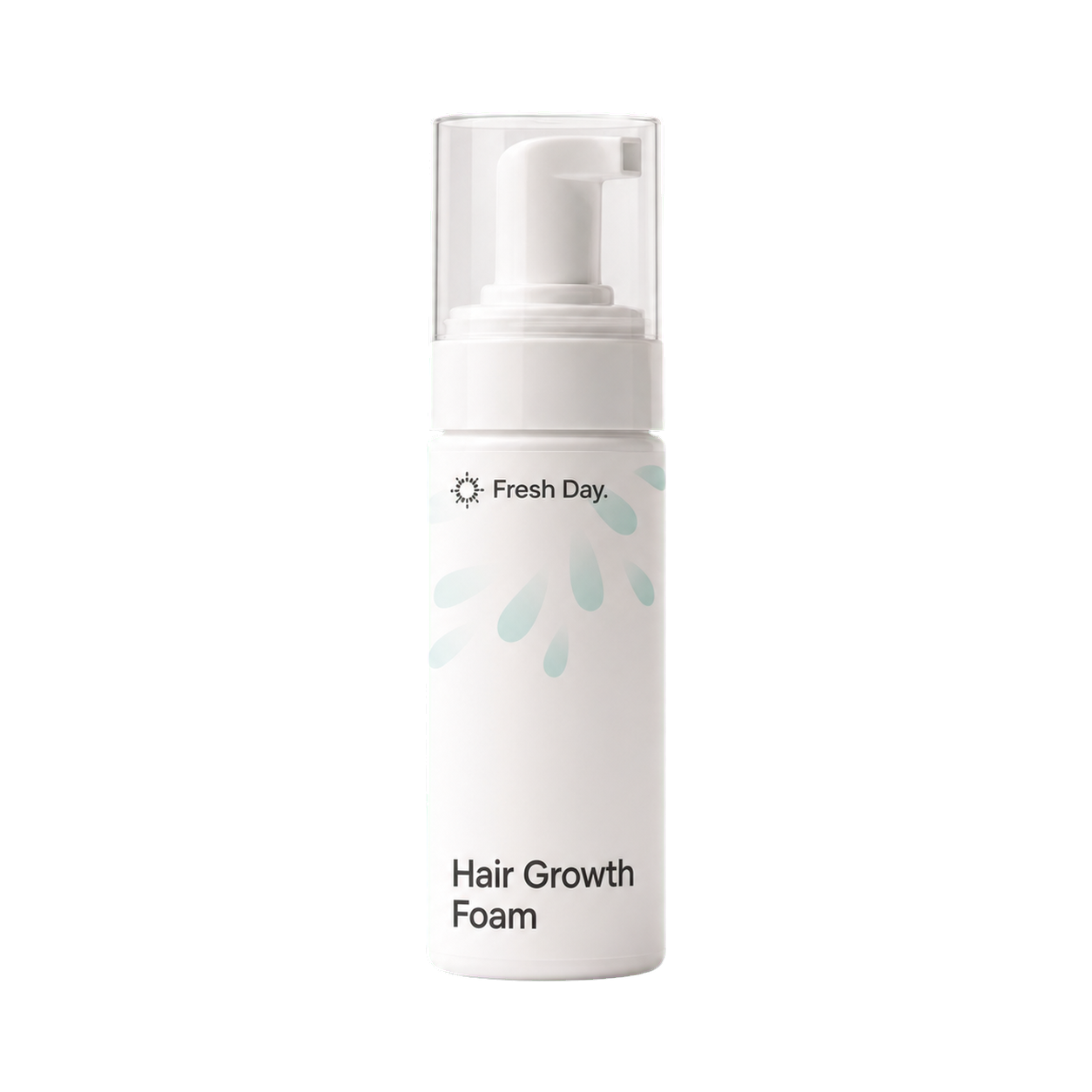
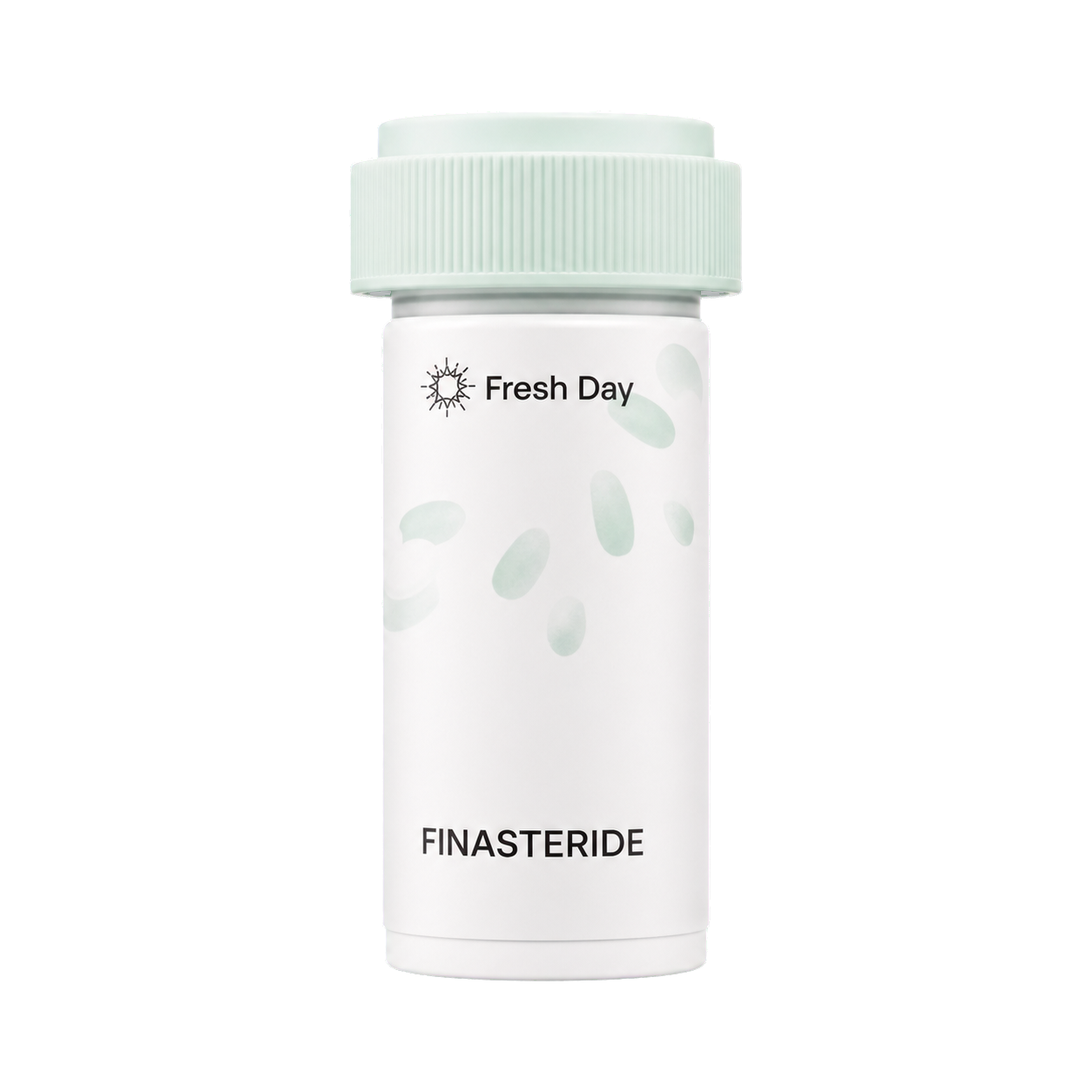
While consulting your doctor, you might also explore supportive hair health products. Fresh Day Meds offers solutions like Finasteride and Minoxidil which are clinically proven to address hair thinning and promote regrowth. While these are typically used for male pattern baldness, discussing them with your doctor can help determine if they might be appropriate for your specific situation once your Accutane treatment is complete, or if other hair health strategies are more suitable during treatment.
The Good News: Hair Loss is Often Reversible
The encouraging news is that hair loss linked to Accutane, particularly telogen effluvium, is often temporary. Once your body adjusts to the medication, or after you complete your course of treatment, hair growth typically returns to normal. It can take several months for the hair cycle to fully reset and for new growth to become noticeable, but with patience and a supportive approach, you can look forward to renewal.
Embrace Your Journey with Fresh Day Meds
Your health journey is unique, and sometimes it comes with unexpected twists. Experiencing hair loss while on Accutane can be a challenge, but by seeking clarity, taking proactive steps, and staying supportive of yourself, you can navigate it successfully. Every sunrise is a chance to start over, and today, you can take a step towards understanding and nurturing your hair health. Consult your doctor today, and embrace a fresh approach to your well-being. It's a Fresh Day, For A New You.