

Starting a new medication often comes with questions, especially when it touches on personal aspects of your health. If you're taking Lisinopril for high blood pressure and have noticed changes in your sexual function, you're not alone. Many individuals seek clarity on the potential link between this common medication and erectile dysfunction (ED). At Fresh Day Meds, we believe in providing clear, supportive information to help you navigate your health journey with confidence.
Understanding Lisinopril and Its Role
Lisinopril is an ACE inhibitor, a type of medication widely prescribed to manage high blood pressure (hypertension) and treat heart failure. It works by relaxing blood vessels, which allows blood to flow more easily and reduces the workload on your heart. This is incredibly important for preventing serious cardiovascular issues like heart attacks and strokes. While its benefits for heart health are well-established, like many medications, it can come with potential side effects.
How Lisinopril Affects Your Body
Lisinopril primarily acts on the renin-angiotensin-aldosterone system (RAAS), a complex hormonal system that regulates blood pressure and fluid balance. By inhibiting ACE (angiotensin-converting enzyme), Lisinopril prevents the production of angiotensin II, a powerful vasoconstrictor that narrows blood vessels. The result is lower blood pressure, which is beneficial for your overall cardiovascular system.
The Connection Between Lisinopril and ED
It's a valid concern to wonder if a medication designed to improve one aspect of your health might impact another. While Lisinopril is generally well-tolerated, some studies and anecdotal reports suggest a possible association with ED. However, pinpointing Lisinopril as the sole cause can be complex.
Direct vs. Indirect Effects
It's important to distinguish between direct and indirect effects. While some medications can directly impair erectile function, the link between Lisinopril and ED is often considered more indirect or multifactorial. Here's why:
- Underlying High Blood Pressure: High blood pressure itself is a significant risk factor for ED. The condition can damage the blood vessels, including those that supply blood to the penis, making it harder to achieve and maintain an erection. So, sometimes, ED symptoms might be due to the condition being treated, rather than the treatment itself.
- Other Medications: People with high blood pressure often take multiple medications. It's possible that other drugs in your regimen, or a combination of them, could contribute to ED.
- Psychological Factors: The stress and anxiety associated with a new diagnosis like hypertension, or concerns about medication side effects, can also impact sexual performance.
- Overall Health: Lifestyle factors like diet, exercise, smoking, and alcohol consumption, as well as other health conditions like diabetes, can all play a role in erectile function.
What the Research Says
Research on the direct causal link between Lisinopril and ED is mixed. Some studies show a slight increase in ED symptoms among ACE inhibitor users, while others find no significant difference compared to other blood pressure medications or even an improvement in ED symptoms as blood pressure is better controlled. What's clear is that the risk is generally lower compared to certain other classes of antihypertensives, such as some diuretics or beta-blockers.
What to Do If You Suspect Lisinopril Is Causing ED
If you're experiencing ED and taking Lisinopril, don't feel discouraged. It's a fresh day, and there are always paths to renewal and balance. The most important step is to openly communicate with your healthcare provider.
Open Communication with Your Doctor
Your doctor is your best partner in navigating this. Be honest about your symptoms and concerns. They can help you:
- Review Your Medical History: They'll consider your overall health, other medications you're taking, and any pre-existing conditions that might contribute to ED.
- Assess Your Blood Pressure Control: Ensuring your blood pressure is well-managed is crucial. Sometimes, optimizing treatment can alleviate ED symptoms.
- Consider Alternative Medications: There are many classes of blood pressure medications. Your doctor might suggest switching to a different ACE inhibitor, an ARB (angiotensin receptor blocker), or another class of antihypertensive that may have a lower impact on sexual function.
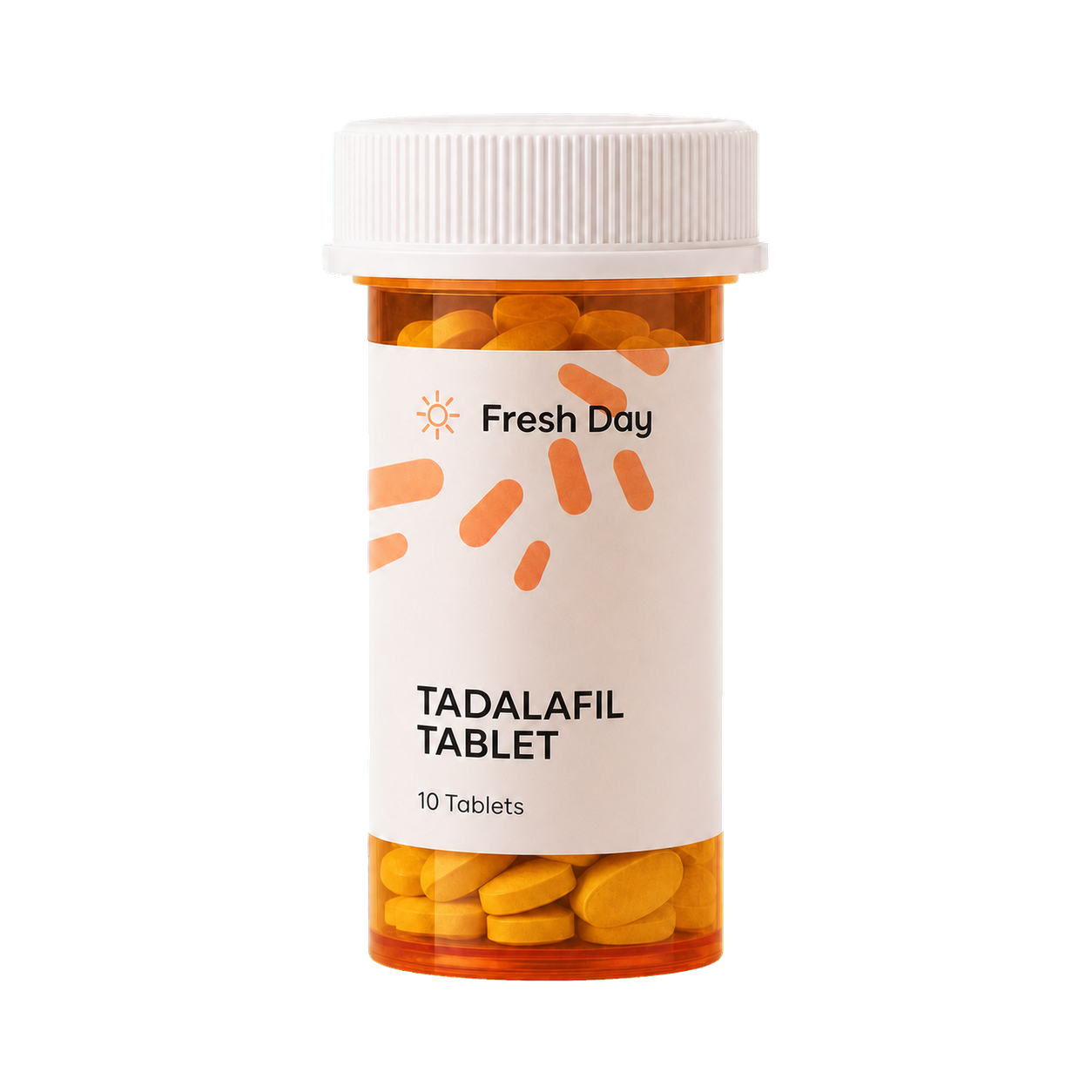
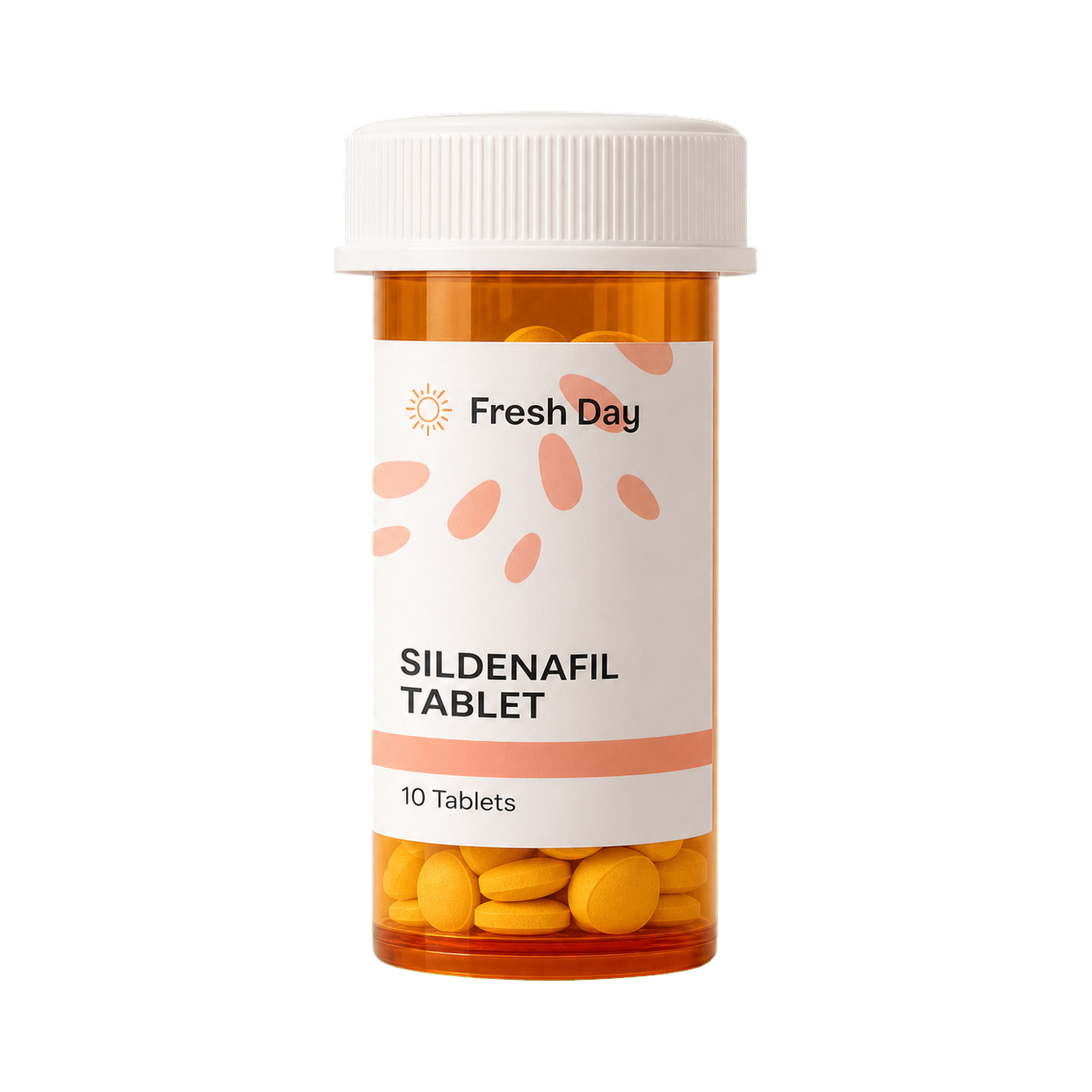
- Explore ED Treatments: If Lisinopril is determined not to be the primary cause, or if switching isn't feasible, your doctor can discuss specific ED treatments. Options like sildenafil (Viagra) and tadalafil (Cialis) are often effective and can be safely used by many individuals with controlled high blood pressure. These medications work by increasing blood flow to the penis, helping to achieve and maintain an erection.
- Address Lifestyle Factors: Your doctor might also recommend lifestyle changes that can improve both your cardiovascular health and erectile function, such as diet, exercise, stress management, and quitting smoking.
Embracing a Fresh Approach to Sexual Wellness
Experiencing ED can be challenging, but it doesn't have to define your sexual wellness. Every sunrise is a chance to start over, and with the right support, you can find clarity and renew your vitality.
Fresh Day Meds is here to support you in your journey. We believe in empowering you with scientific insights and accessible solutions for your health. If you're seeking to address ED, remember that effective, science-backed treatments like those containing sildenafil and tadalafil are available. Consult today, New you tomorrow, and rediscover the confidence and intimacy you deserve.
Navigating medication side effects requires a supportive and informed approach. By working closely with your healthcare provider, you can find a balanced solution that maintains your cardiovascular health while also supporting your sexual wellness. It's a fresh day, for a new you.