

It’s a fresh day, and for many, that means styling our hair to feel our best. For those with textured hair, sponging is a popular technique to create curls and coils, offering a unique and stylish look. But a common question often arises: Does sponging hair cause hair loss? It's natural to seek clarity on anything that impacts your hair health, and at Fresh Day Meds, we're here to provide supportive, science-backed insights to help you nurture your hair and scalp.
The journey to understanding hair health is all about balance and progress. Let's dive into whether this popular styling method is a friend or foe to your hair.
What Exactly Is Hair Sponging?
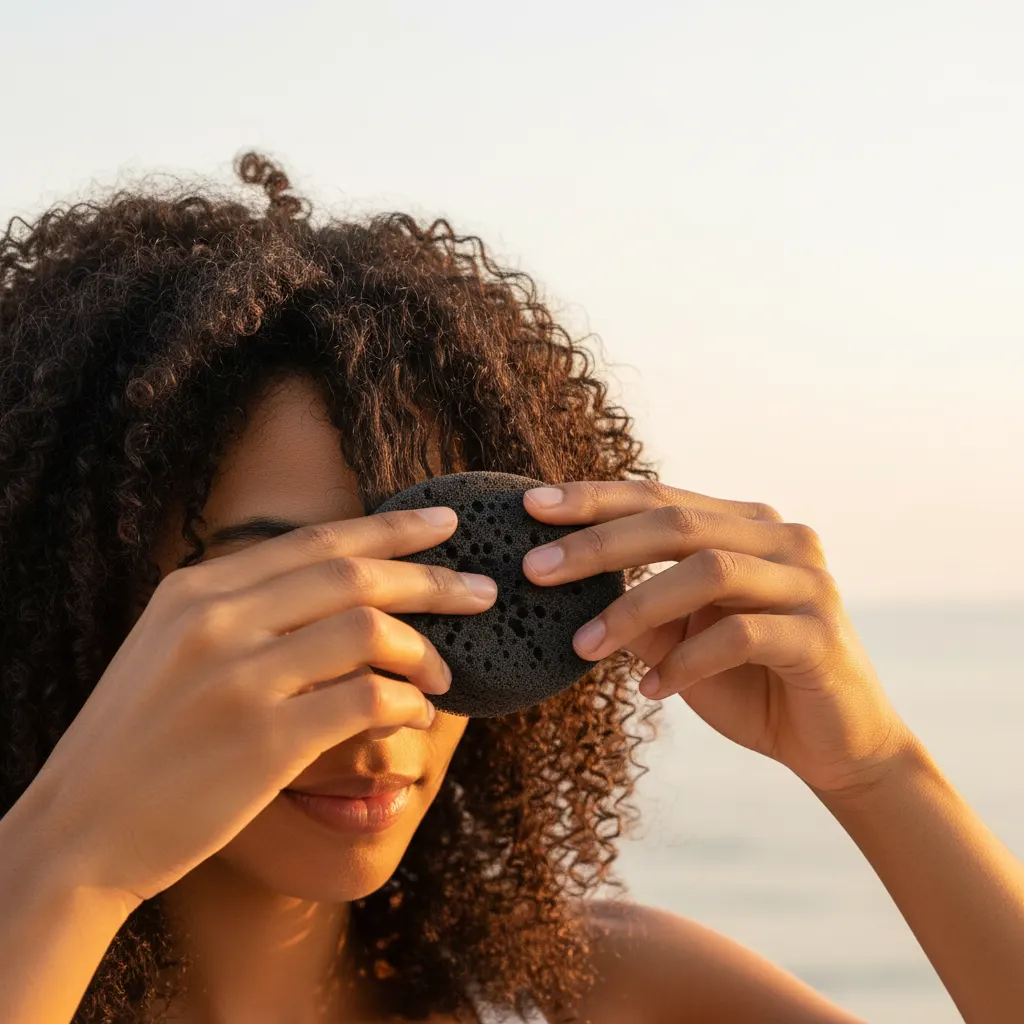
Hair sponging involves using a special sponge, typically with holes or patterns, to gently rub against the hair in a circular motion. This process encourages the hair to twist and coil, forming distinct curls or dread-like textures. It’s a favorite for its simplicity and the defined, natural-looking results it can achieve, especially on shorter, textured hair.
The Connection Between Hair Styling and Hair Loss
Before we directly address sponging, it’s helpful to understand how different styling methods can impact hair. Hair loss can be influenced by various factors, including genetics, diet, stress, and certain medical conditions. However, mechanical damage from styling is also a significant contributor. This often manifests as traction alopecia, a form of hair loss caused by repetitive pulling or tension on the hair follicles.
Does Sponging Itself Cause Hair Loss?
The good news is that sponging your hair correctly is unlikely to directly cause hair loss in the same way that tight braids or chemical treatments might. The action of the sponge is generally gentle, and it doesn't typically place excessive tension on the hair roots. Unlike styles that pull hair tightly from the scalp, sponging works with your hair's natural texture to create shape.
However, like any styling technique, potential issues can arise if not done with care and attention to your hair's health. The key lies in the how.
When Sponging Might Contribute to Hair Issues
While not a direct cause, certain practices associated with hair sponging can lead to hair breakage or damage, which could be mistaken for hair loss or exacerbate existing thinning:
- Excessive Force or Roughness: Rubbing the sponge too aggressively or for too long can create friction. This friction can damage the hair cuticles, leading to breakage, frizz, and weakened strands. Over time, this can make your hair appear thinner or less healthy.
- Dry Hair Sponging: Attempting to sponge hair that is completely dry can increase friction and make the hair more prone to snapping. Hair is most pliable and less susceptible to breakage when it's slightly damp and well-conditioned.
- Over-Sponging: Constantly sponging your hair daily, without giving it a break or proper conditioning, might eventually lead to wear and tear on the hair shaft.
- Poor Hair Health Foundation: If your hair is already weak, brittle, or suffering from a lack of moisture and nutrients, any styling, including sponging, can put it under more stress and make it more vulnerable to damage.
- Unclean Sponges: Using a dirty sponge can introduce bacteria or product buildup to your scalp, potentially leading to scalp irritation or issues that could indirectly impact hair health.
Tips for Healthy Hair Sponging
To ensure your hair sponging routine supports your hair health and vitality, consider these supportive and encouraging tips:
- Start with Clean, Damp, and Conditioned Hair: Always begin with freshly washed and conditioned hair. Applying a leave-in conditioner or a light styling cream can provide a layer of protection and make your hair more manageable.
- Be Gentle: Use a light touch when rubbing the sponge. There's no need for excessive pressure. Let the sponge do the work with gentle, consistent circular motions.
- Don't Overdo It: Sponge your hair only until you achieve the desired texture. Continuing to rub after your curls are formed won't improve the style and only increases the risk of friction and breakage.
- Moisturize Regularly: Keep your hair and scalp well-hydrated. Dry hair is brittle hair. Incorporate moisturizing hair products into your daily routine. Consider products that strengthen hair, such as those with ingredients like biotin or saw palmetto, which can be found in Fresh Day Meds' hair health offerings.
- Clean Your Sponge: Regularly wash your hair sponge with mild soap and water to remove product buildup and keep it hygienic.
- Listen to Your Hair: Pay attention to how your hair feels. If you notice increased breakage, dryness, or irritation, it might be a sign to adjust your technique or take a break from sponging.
- Consider Hair Growth Support: If you're concerned about thinning hair or want to proactively support hair growth, exploring science-backed solutions can be a great step. Fresh Day Meds offers various hair regrowth treatments designed to nourish your scalp and encourage stronger, fuller hair.
Embracing a Fresh Approach to Hair Care
Sponging hair can be a wonderful way to express your style and embrace your natural texture. The key to maintaining healthy hair, whether you sponge it or not, lies in a holistic approach to care. This means gentle handling, consistent moisturizing, and nourishing your hair from the inside out.
Every sunrise is a chance to start over, and every day is an opportunity to make choices that lead to meaningful transformation for your hair. By understanding the nuances of your styling routine and adopting supportive practices, you can enjoy defined curls and vibrant, healthy hair. Consult today, new you tomorrow – your journey to renewed hair health starts now with Fresh Day Meds.
Keywords: Hair Health, Hair Care, Hair Styling, Hair Loss Prevention, Textured Hair