

Turning 40 often brings a fresh perspective on life, new goals, and a deeper appreciation for well-being. However, for some men, this decade can also introduce new health challenges, including erectile dysfunction (ED). If you're experiencing ED at 40, know that you're not alone, and it's a common, treatable condition. It's a fresh day, and with clarity and support, you can find solutions to renew your sexual health and confidence.
Erectile dysfunction is defined as the consistent or recurrent inability to attain and/or maintain a penile erection sufficient for sexual performance. While it can occur at any age, its prevalence tends to increase with age. Understanding the potential causes at 40 is the first step toward finding effective solutions and embracing a renewed sense of vitality.
Common Causes of ED at 40
ED at 40 is rarely just a sign of aging. More often, it's a signal from your body that something else might be going on. Identifying the root cause is key to effective treatment. Here are some of the most common factors:
Physical Health Conditions
Many physical conditions that become more prevalent in your 40s can contribute to ED:
- Cardiovascular Disease: This is one of the most significant risk factors. Conditions like high blood pressure (hypertension), high cholesterol, and atherosclerosis (hardening of the arteries) can restrict blood flow to the penis, making erections difficult. Since the arteries supplying the penis are smaller than those leading to the heart, ED can often be an early warning sign of heart disease.
- Diabetes: Uncontrolled blood sugar levels can damage nerves and blood vessels throughout the body, including those essential for an erection.
- Obesity: Being overweight or obese is linked to numerous health issues, including heart disease, diabetes, and lower testosterone levels, all of which can contribute to ED.
- Hormonal Imbalances: While often associated with older age, low testosterone (Low T) can begin to affect men in their 40s. Testosterone plays a crucial role in libido and erectile function. Other hormonal issues, like thyroid problems, can also impact sexual health.
- Neurological Disorders: Conditions such as multiple sclerosis, Parkinson's disease, or nerve damage from surgery or injury can interfere with the nerve signals needed for an erection.
- Medications: Certain prescription medications can have ED as a side effect. These include some blood pressure drugs, antidepressants, antihistamines, and prostate medications. Always discuss your medications with your doctor if you suspect they are contributing to ED.
Lifestyle Factors
Your daily habits play a huge role in your overall health, including your sexual health:
- Smoking: Nicotine damages blood vessels, impairing blood flow and making it harder to achieve and maintain an erection.
- Excessive Alcohol Consumption: While a drink or two might relax you, heavy alcohol intake can depress the central nervous system and temporarily impair erectile function.
- Lack of Physical Activity: A sedentary lifestyle contributes to obesity, heart disease, and diabetes, all risk factors for ED.
- Poor Diet: A diet high in processed foods, unhealthy fats, and sugar can lead to inflammation and contribute to the physical conditions listed above.
Psychological and Emotional Factors
The mind-body connection is powerful, and mental health can significantly impact sexual function:
- Stress and Anxiety: Work pressure, financial worries, relationship issues, or general life stress can make it difficult to relax and become aroused.
- Depression: Depression is strongly linked to ED. It can reduce libido and interfere with the brain signals involved in sexual arousal.
- Performance Anxiety: The fear of not being able to perform can become a self-fulfilling prophecy, creating a cycle of anxiety and erectile difficulty.
- Relationship Issues: Unresolved conflicts, lack of communication, or emotional distance with a partner can manifest as ED.
Solutions for a Renewed You
The good news is that ED at 40 is often treatable, and a fresh approach can lead to significant improvements. Your path to renewal starts with open communication with a healthcare professional.
Medical Treatments
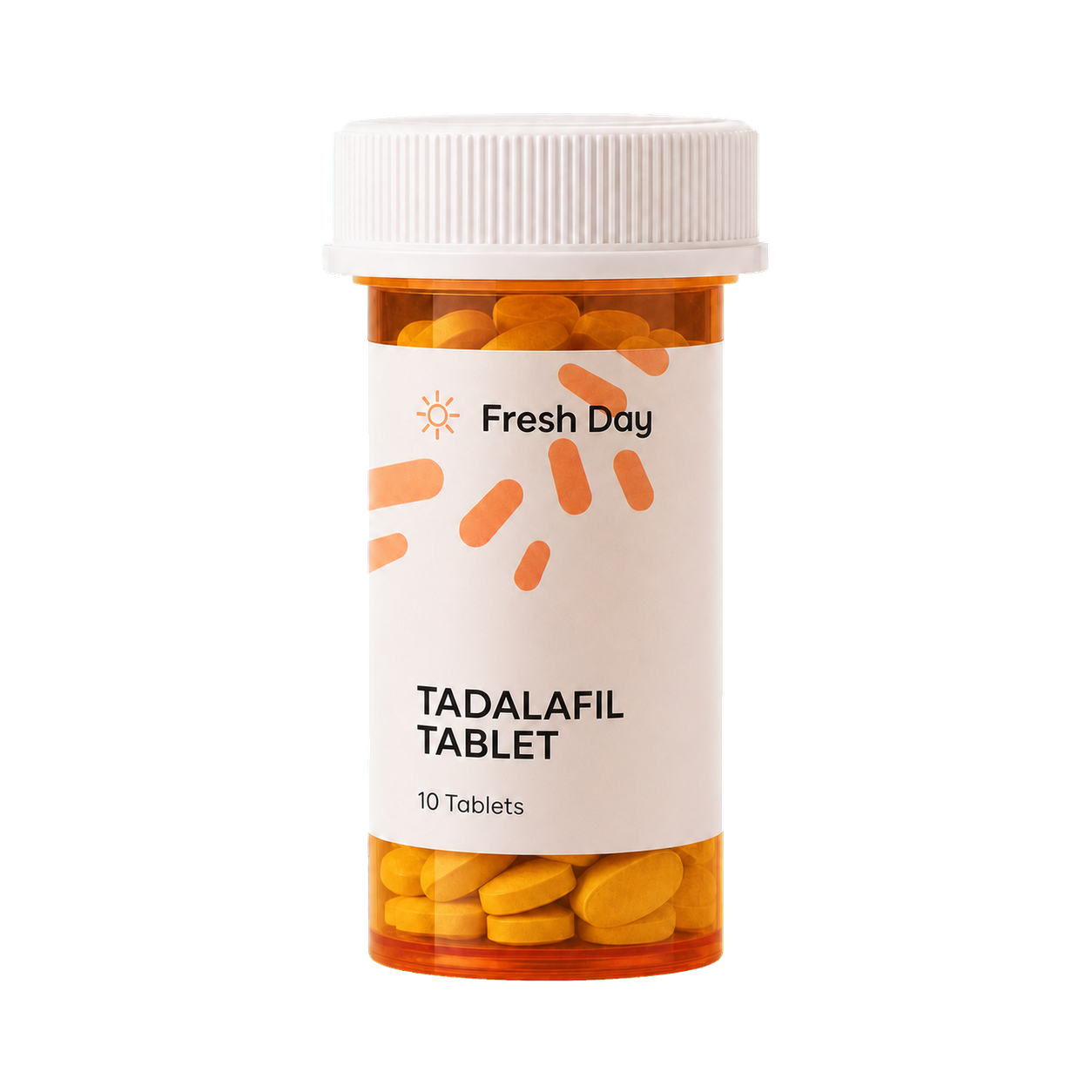
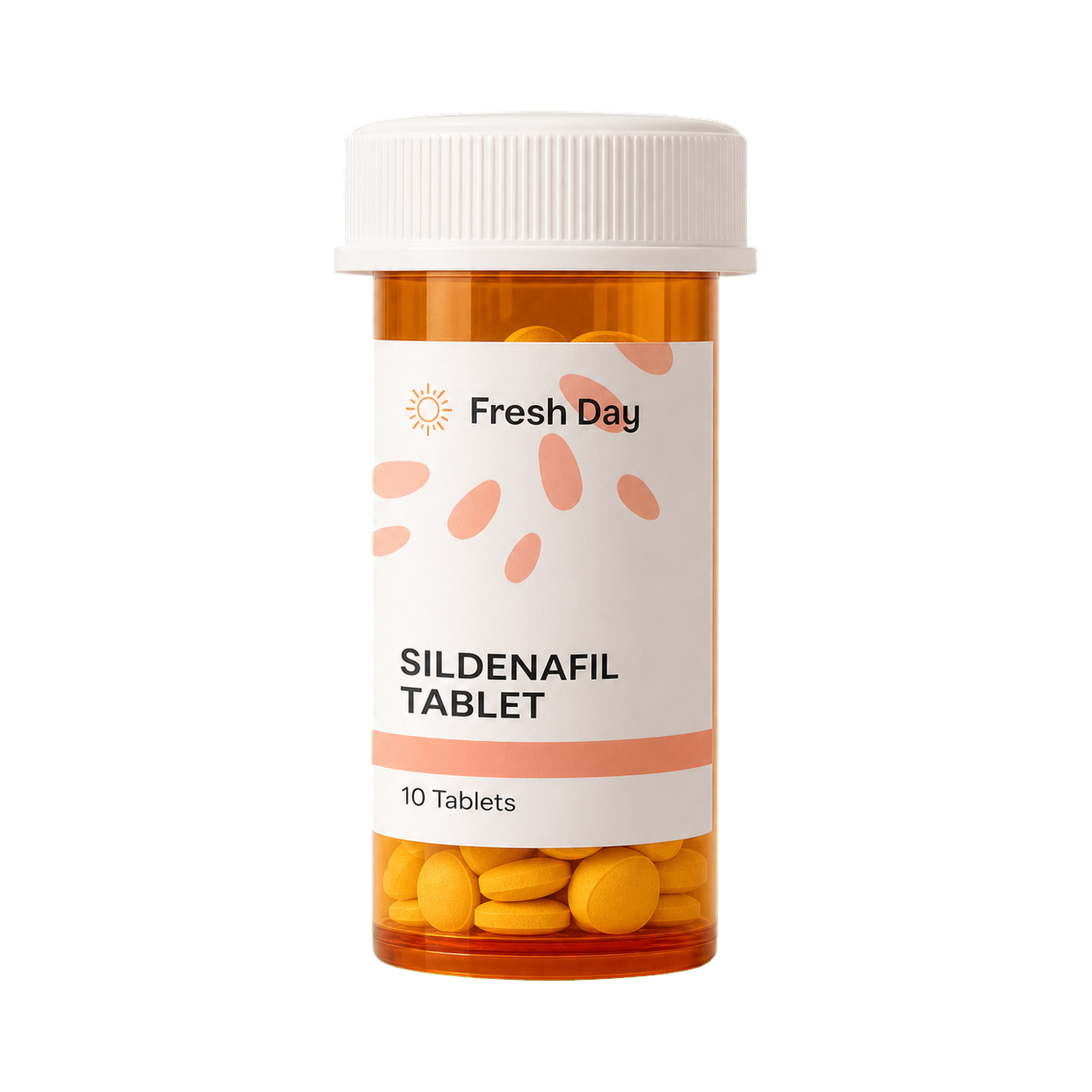
- Oral Medications: Phosphodiesterase-5 (PDE5) inhibitors like sildenafil (Viagra) and tadalafil (Cialis) are often the first line of treatment. These medications work by increasing blood flow to the penis, helping you achieve and maintain an erection when sexually stimulated. They are safe and effective for many men, offering a reliable solution for intimacy.
- Hormone Therapy: If low testosterone is identified as a cause, Testosterone Replacement Therapy (TRT) might be recommended. This can help restore libido and improve erectile function.
- Other Medications: Depending on the underlying cause, other treatments like alprostadil (injections or urethral suppositories) might be considered.
Lifestyle Changes for Lasting Vitality
These changes are not just good for ED; they're excellent for your overall health and well-being, embodying the power of small steps that lead to meaningful transformation:
- Embrace a Healthy Diet: Focus on whole, unprocessed foods, plenty of fruits, vegetables, lean proteins, and healthy fats. This can improve cardiovascular health and manage weight.
- Regular Exercise: Aim for at least 30 minutes of moderate-intensity exercise most days of the week. This boosts circulation, reduces stress, and helps manage weight.
- Manage Stress: Incorporate stress-reducing activities into your daily routine, such as mindfulness, meditation, yoga, or spending time in nature. Remember, every sunrise is a chance to start over.
- Quit Smoking and Limit Alcohol: These are two of the most impactful changes you can make for your sexual and overall health.
- Prioritize Sleep: Quality sleep is crucial for hormone regulation and overall energy. Aim for 7-9 hours per night.
Psychological Support
- Counseling or Therapy: If psychological factors like stress, anxiety, depression, or relationship issues are contributing to your ED, a therapist can provide strategies and support. Couples counseling can also help address relationship dynamics.
Consult Today, New You Tomorrow
Experiencing ED at 40 can feel disheartening, but it's a clear call to action for renewal and balance in your health journey. Remember, change doesn't start on Monday—it starts today. By seeking clarity and exploring the available solutions, you can regain your confidence and enjoy a fulfilling sex life. Consult with a healthcare professional to understand the specific causes of your ED and create a personalized treatment plan. A fresh day, for a new you, is within reach.