



Starting a new medication is always a step towards a fresh you, and it’s natural to have questions about how it might impact your daily life. If you're considering finasteride for hair loss, you might be wondering about potential side effects, including its impact on your sleep. At Fresh Day Meds, we're here to provide clarity and support, empowering you to make informed decisions for your daily wellness journey.
Finasteride is a well-known treatment for male pattern baldness, and while it's generally well-tolerated, understanding its potential effects – even uncommon ones – is key to feeling confident and balanced.
What is Finasteride and How Does It Work?
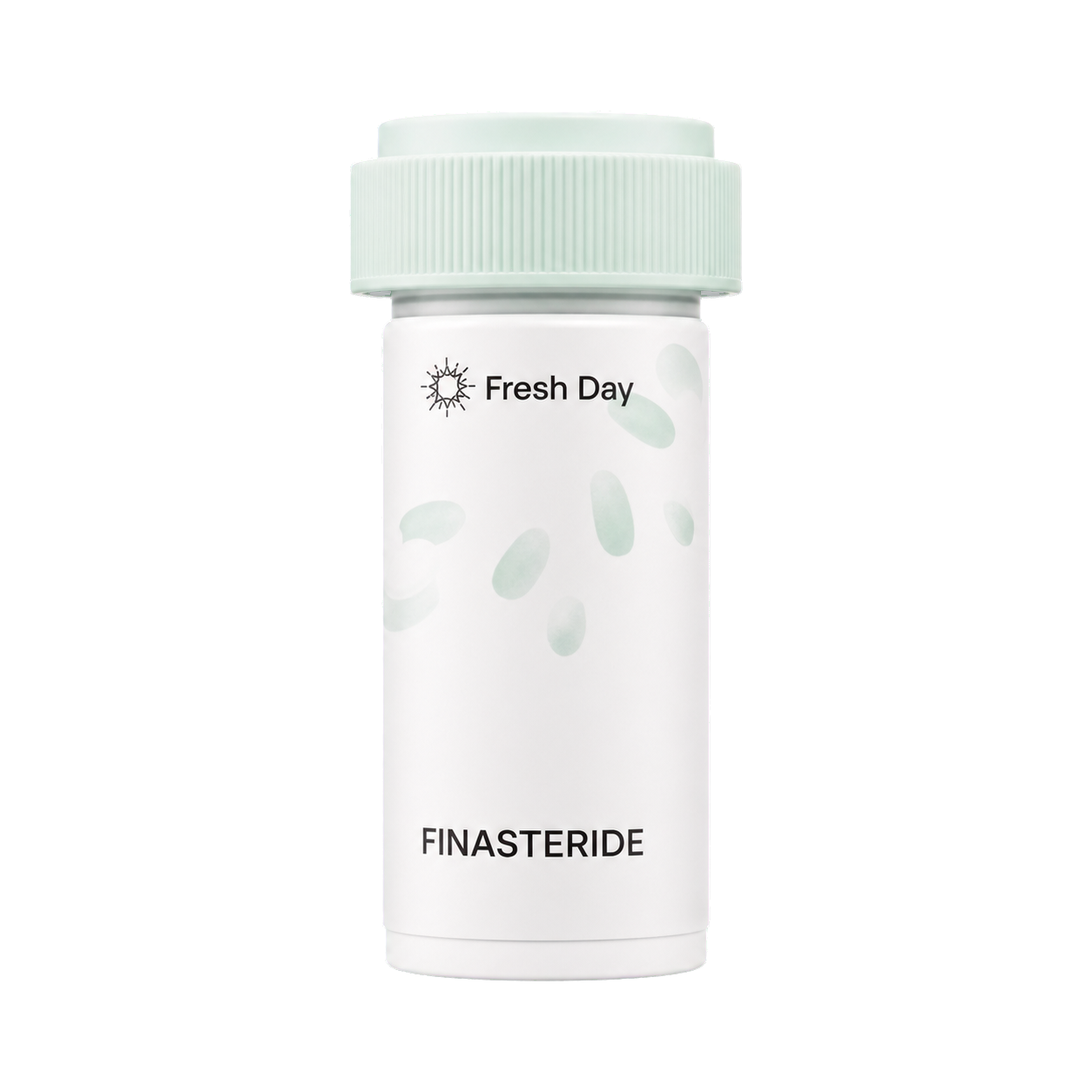
Finasteride is an oral medication primarily used to treat male pattern hair loss (androgenetic alopecia). It belongs to a class of drugs called 5-alpha-reductase inhibitors. Simply put, it works by blocking the enzyme 5-alpha-reductase, which converts testosterone into dihydrotestosterone (DHT).
DHT is a hormone that plays a significant role in shrinking hair follicles in men genetically predisposed to hair loss. By reducing DHT levels, finasteride helps to slow down hair loss and can even promote new hair growth, helping you regain confidence and vitality.
The Relationship Between Medications and Sleep
Sleep is a cornerstone of daily wellness. It's during sleep that your body repairs itself, consolidates memories, and helps regulate hormones. Many medications, both prescription and over-the-counter, can potentially affect sleep patterns, either directly or indirectly.
Factors like the drug's mechanism of action, dose, individual sensitivity, and even psychological responses can influence how a medication impacts sleep. When it comes to finasteride, while not a commonly reported side effect, some individuals have raised concerns about its potential link to insomnia or other sleep disturbances.
Can Finasteride Cause Insomnia?
According to clinical trials and common prescribing information, insomnia is generally not listed as a frequent or common side effect of finasteride. The primary reported side effects often revolve around sexual health, such as decreased libido, erectile dysfunction, and ejaculatory disorders. However, it's important to remember that individual responses to medication can vary.
While direct causation between finasteride and insomnia is not strongly established in large-scale studies, there are a few considerations:
- Indirect Effects: For some individuals, the psychological impact of starting a new medication, or even anxiety about potential side effects (including those related to sexual health), could indirectly contribute to sleep difficulties. Stress and anxiety are well-known culprits for insomnia.
- Hormonal Influence: Finasteride alters hormone levels (specifically DHT). While DHT's direct role in sleep regulation isn't fully understood, any hormonal shift could theoretically, in rare cases, affect an individual's sleep architecture or quality. However, this is largely speculative without more direct research.
- Coincidence: It's also possible that experiencing insomnia while taking finasteride is coincidental, especially if other factors like stress, lifestyle changes, or underlying health conditions are at play.
If you are experiencing sleep disturbances while on finasteride, it’s crucial to discuss this with your healthcare provider. They can help determine if there’s a direct link or if other factors are contributing to your insomnia.
Nurturing Your Sleep for a Fresh Day
Regardless of whether finasteride is a factor, prioritizing good sleep hygiene is essential for your overall daily wellness and mental health. Here are some simple, accessible steps you can take:
- Maintain a Consistent Sleep Schedule: Go to bed and wake up at the same time each day, even on weekends.
- Create a Relaxing Bedtime Routine: Wind down with a warm bath, reading a book, or gentle stretching. Avoid screens for at least an hour before bed.
- Optimize Your Sleep Environment: Ensure your bedroom is dark, quiet, and cool. Consider blackout curtains, earplugs, or a white noise machine.
- Watch Your Diet and Exercise: Avoid heavy meals, caffeine, and alcohol close to bedtime. Regular physical activity can improve sleep, but avoid intense workouts right before sleep.
- Manage Stress: Practice mindfulness, meditation, or deep breathing exercises to calm your mind before bed. Our daily wellness resources can offer guidance on stress management techniques.
Remember, change doesn't start on Monday—it starts today. Your journey to better sleep and overall wellness is a series of small, purposeful steps. At Fresh Day Meds, we believe in supporting your progress towards renewal, balance, and lasting vitality.
If you have concerns about finasteride or any aspect of your daily wellness, consult your healthcare provider. They can offer personalized advice and help you navigate your treatment plan with confidence. Consult today, new you tomorrow – every fresh day provides an opportunity for a brighter, more rested you.