

Starting a journey toward thicker, fuller hair is an exciting step, and treatments like finasteride and minoxidil are often at the forefront of that path. As you embrace this fresh start, it’s natural to wonder about potential side effects. One common question that arises is whether these hair loss medications can lead to acne. Let's dive into the science and provide some clarity, so you can move forward with confidence.
Understanding Finasteride and Minoxidil
Before we address the acne question, let's quickly recap what finasteride and minoxidil are and how they work to support hair health.
Finasteride: Targeting the Root Cause
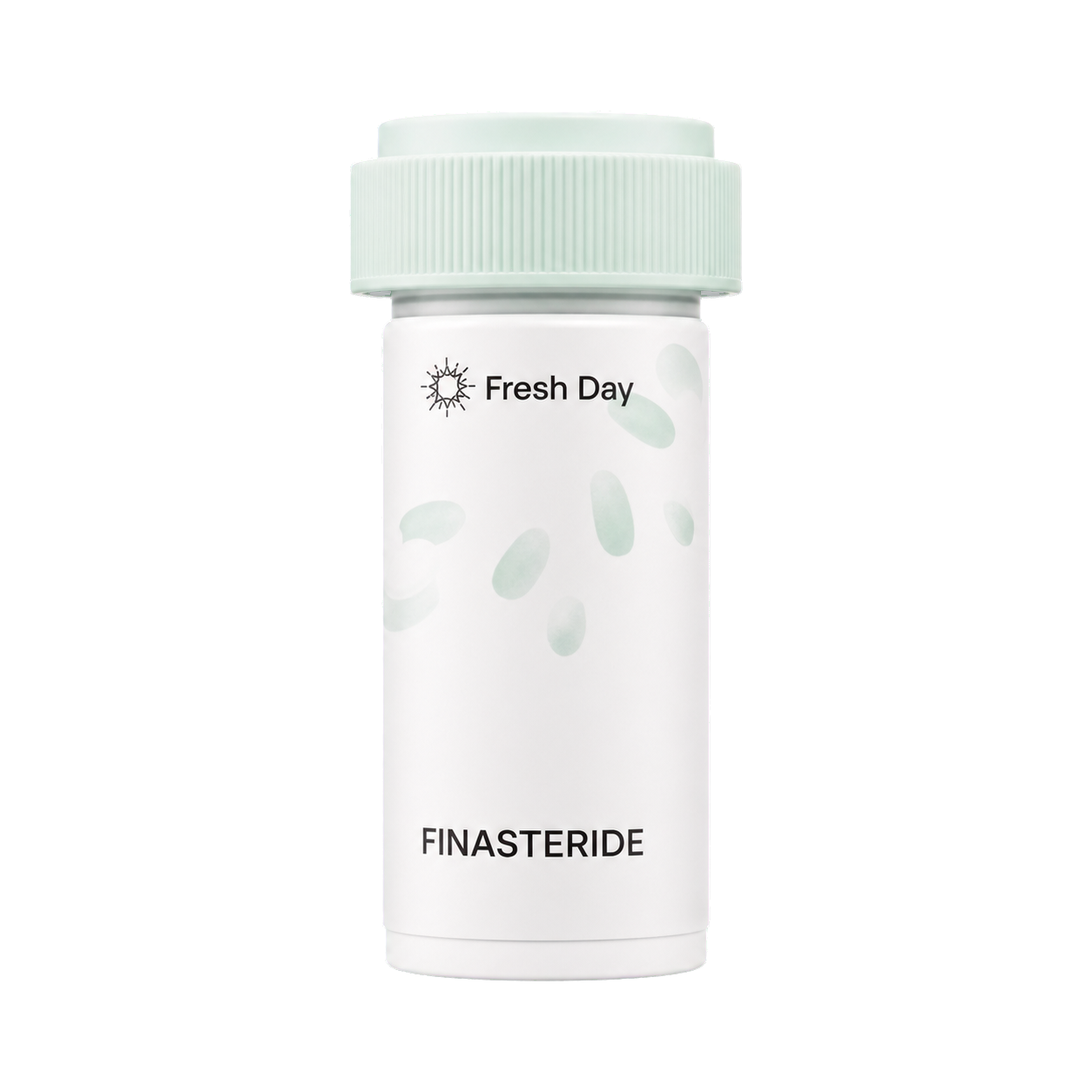
Finasteride is an oral medication primarily used to treat male pattern baldness. It works by inhibiting the enzyme 5-alpha reductase, which is responsible for converting testosterone into dihydrotestosterone (DHT). DHT is a hormone that shrinks hair follicles, leading to hair thinning and loss in genetically predisposed individuals. By reducing DHT levels, finasteride helps to slow down hair loss and can even promote regrowth.
Minoxidil: Stimulating Growth
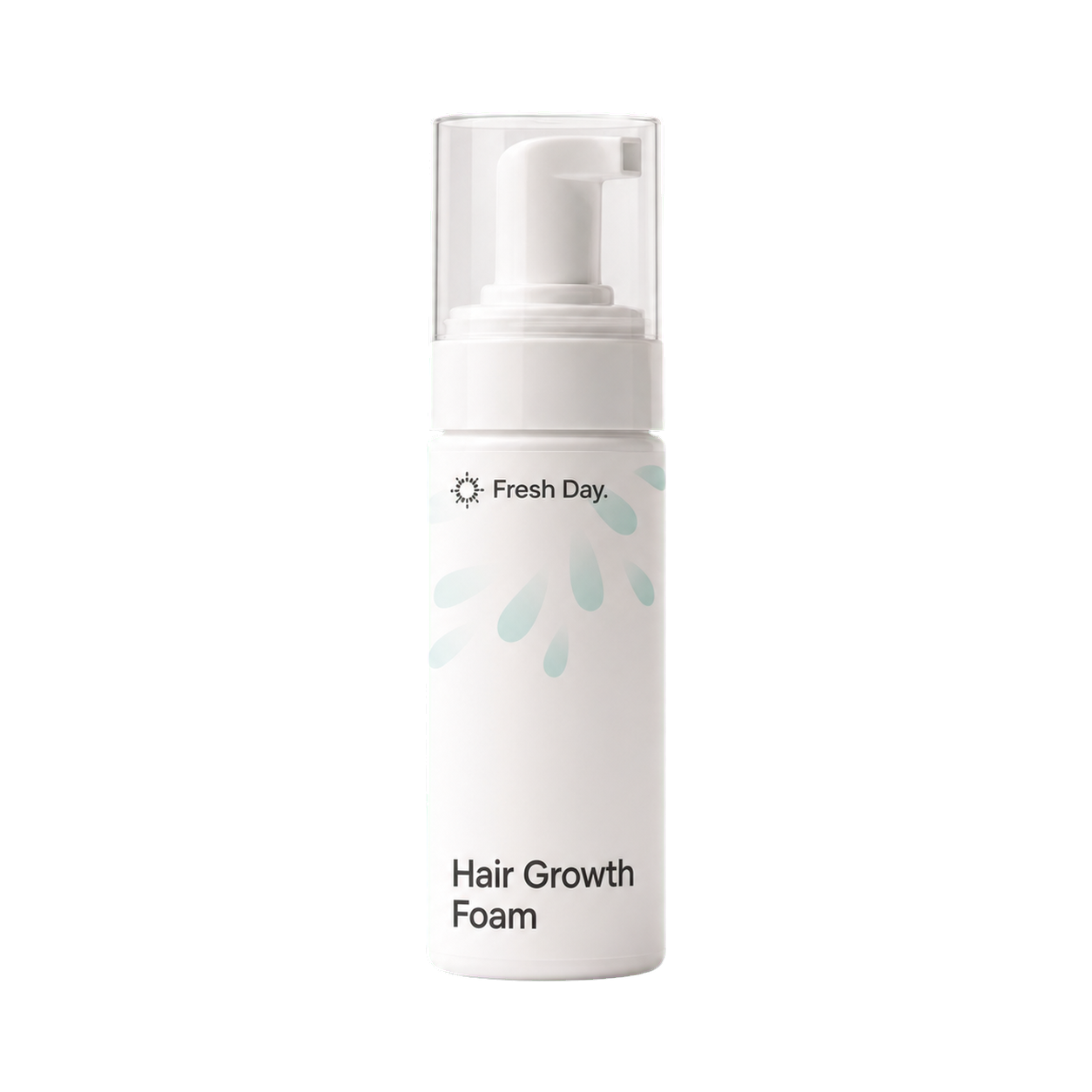
Minoxidil, available as a topical solution or foam, is a vasodilator. While its exact mechanism for hair growth isn't fully understood, it's believed to widen blood vessels, increasing blood flow to hair follicles. This enhanced circulation delivers more oxygen and nutrients, encouraging follicles to move into the growth phase and extend the duration of this phase. It can also enlarge miniaturized follicles, leading to thicker, stronger hair.
The Link Between Finasteride, Minoxidil, and Acne
Now, let's address the main concern: can these treatments cause acne?
Finasteride and Acne: A Hormonal Connection?
Given that finasteride works by altering hormone levels (specifically DHT), it's reasonable to consider if it could impact skin health. Androgens, like testosterone and DHT, play a significant role in sebum production, which can contribute to acne. However, the relationship isn't as straightforward as it might seem.
- Reduced DHT, Reduced Sebum? In theory, lowering DHT levels might actually reduce sebum production, which could potentially improve acne for some individuals. DHT is known to stimulate sebaceous glands. So, for some, finasteride might have a neutral or even beneficial effect on acne.
- Hormonal Fluctuations: While finasteride generally lowers DHT, any hormonal shift in the body can sometimes trigger a skin reaction. However, acne is not a commonly reported side effect in clinical trials for finasteride. Most studies focus on sexual side effects, which are rare but more frequently discussed.
- Individual Sensitivity: Everyone's body reacts differently to medications. While not a direct or common cause, if you have a predisposition to hormonal acne, any change in your body's chemistry could theoretically influence your skin. However, this is more anecdotal than scientifically established as a direct side effect of finasteride.
Minoxidil and Acne: More About Application
For minoxidil, the connection to acne is less about its active ingredient and more about its formulation and application.
- Topical Irritation: Minoxidil solutions often contain propylene glycol, an alcohol-based solvent that can sometimes irritate the skin. This irritation might manifest as redness, itching, or a rash, which could be mistaken for or exacerbate acne in sensitive individuals. The foam formulations often reduce this risk as they typically contain less or no propylene glycol.
- Blocked Pores: If minoxidil is applied heavily or not allowed to dry properly, it could potentially block pores on the scalp or forehead, leading to breakouts. This is more of a mechanical issue related to product application rather than a direct pharmacological effect of minoxidil itself.
- Scalp Acne: Some users report scalp irritation or folliculitis (inflammation of hair follicles) where minoxidil is applied. This can sometimes look like acne, but it's a localized reaction to the product or its application, not systemic acne.
What to Do If You Experience Breakouts
If you're using finasteride or minoxidil and notice new or worsening acne, here’s a supportive and encouraging approach to finding clarity:
- Observe and Document: Keep a simple journal. Note when the breakouts started, where they appear, and any other symptoms. This helps you and your healthcare provider identify patterns.
- Review Your Application (for Minoxidil): Ensure you're applying minoxidil as directed. Use the recommended amount, allow it to dry completely, and avoid letting it drip onto your face. Switching from a solution to a foam might also help if propylene glycol is the culprit.
- Maintain Good Skin Hygiene: A fresh start for your hair also means caring for your skin. Gently cleanse your face twice daily with a mild cleanser, and avoid harsh scrubbing, which can worsen acne.
- Consult Your Healthcare Provider: This is the most crucial step. Share your observations with your doctor or dermatologist. They can help determine if the acne is related to your hair loss treatment, an unrelated skin condition, or something else entirely. They can also discuss potential adjustments to your treatment plan or recommend specific acne treatments.
Remember, your health journey is unique, and finding balance is key. While acne is not a common or direct side effect of finasteride or minoxidil for most people, understanding the possibilities and knowing when to seek professional advice empowers you to take control. Fresh Day Meds is here to support you in every step toward a fresh day and a new you, ensuring your path to hair health is as clear and confident as possible.
A Fresh Perspective on Your Journey
It’s important to approach any new medication with optimism, but also with a clear understanding of what to expect. For the vast majority, finasteride and minoxidil are effective and well-tolerated treatments for hair loss. If you do experience skin concerns, remember that solutions are available. Don't let a minor setback overshadow the progress you're making towards renewed confidence and vitality. Consult today, New you tomorrow!