

Every sunrise is a chance to start over, and that includes nurturing your body from the inside out. For many, a vital aspect of feeling renewed is having healthy, vibrant hair. If you've been seeking clarity in your hair health journey and wondering about natural ways to support hair growth, you might have come across the buzz about fish oil and its omega-3 fatty acids. But can these powerful nutrients truly help with hair loss? Let's dive into the science and uncover a fresh perspective.
The Role of Omega-3s in Overall Health
Omega-3 fatty acids are essential fats that our bodies can't produce on their own, meaning we need to get them from our diet. They are well-known for their numerous health benefits, from supporting heart and brain health to reducing inflammation. These benefits stem from their crucial role in cell membrane structure and function, impacting everything from hormone production to immune response. When it comes to hair, this foundational support can be incredibly impactful.
How Omega-3s Might Support Hair Health
The connection between general health and hair health is strong. When your body is functioning optimally, it's better equipped to support processes like hair growth. Here’s how the omega-3s in fish oil might play a role in your hair journey:
Reducing Inflammation and Supporting Scalp Health
Inflammation is a common culprit behind many health issues, including those affecting the scalp. A healthy scalp is the foundation for healthy hair growth. Conditions like dandruff, psoriasis, or an irritated scalp can hinder hair follicle function and lead to hair thinning or loss. Omega-3s, particularly EPA and DHA, are powerful anti-inflammatory agents. By helping to reduce inflammation, fish oil can create a more balanced and nurturing environment for your hair follicles. A calmer scalp means healthier growth, giving you a fresh start for your hair.
Improving Circulation to Hair Follicles
Healthy blood circulation is vital for delivering essential nutrients and oxygen to your hair follicles. If follicles don't receive adequate nourishment, they can weaken, leading to slower growth and increased shedding. Some research suggests that omega-3s can support cardiovascular health, which in turn can improve overall circulation. Better blood flow to the scalp means your hair follicles get the fuel they need to thrive, encouraging stronger, more resilient strands.
Providing Essential Nutrients for Hair Structure
While not a direct building block of hair like protein, omega-3s contribute to the overall health of cells, including those forming the hair shaft. They can help maintain the integrity of cell membranes, leading to shinier, more elastic hair. Healthy fats are also crucial for maintaining the natural oils that keep hair hydrated and prevent breakage. This cellular support is key to achieving hair that not only grows but looks and feels healthy.
Potential Impact on Hair Density and Loss
Several studies, though often preliminary, have looked into the direct impact of omega-3 supplementation on hair. Some research indicates that women experiencing hair thinning who supplemented with omega-3s and omega-6s, along with antioxidants, reported improved hair density and reduced hair loss. While more extensive research is needed, these initial findings offer a hopeful outlook for those seeking to renew their hair's vitality.
Integrating Fish Oil into Your Wellness Routine
If you're considering adding fish oil to your daily wellness routine for hair health, it's a simple, accessible step that can lead to meaningful transformation. Here are a few tips:
- Quality Matters: Choose a high-quality fish oil supplement that is molecularly distilled to remove impurities and contains a good balance of EPA and DHA.
- Consistency is Key: Like any supplement, the benefits of fish oil for hair growth are often seen with consistent, long-term use. Think of it as a daily commitment to your hair's renewal.
- Pair with a Balanced Diet: Fish oil is a supplement, not a replacement for a healthy diet. Ensure you're eating a variety of nutrient-rich foods to support overall health and hair growth.
- Consult a Professional: Always speak with a healthcare provider before starting any new supplement, especially if you have underlying health conditions or are taking other medications. They can offer personalized guidance for your unique health journey.
Beyond Fish Oil: A Holistic Approach to Hair Health
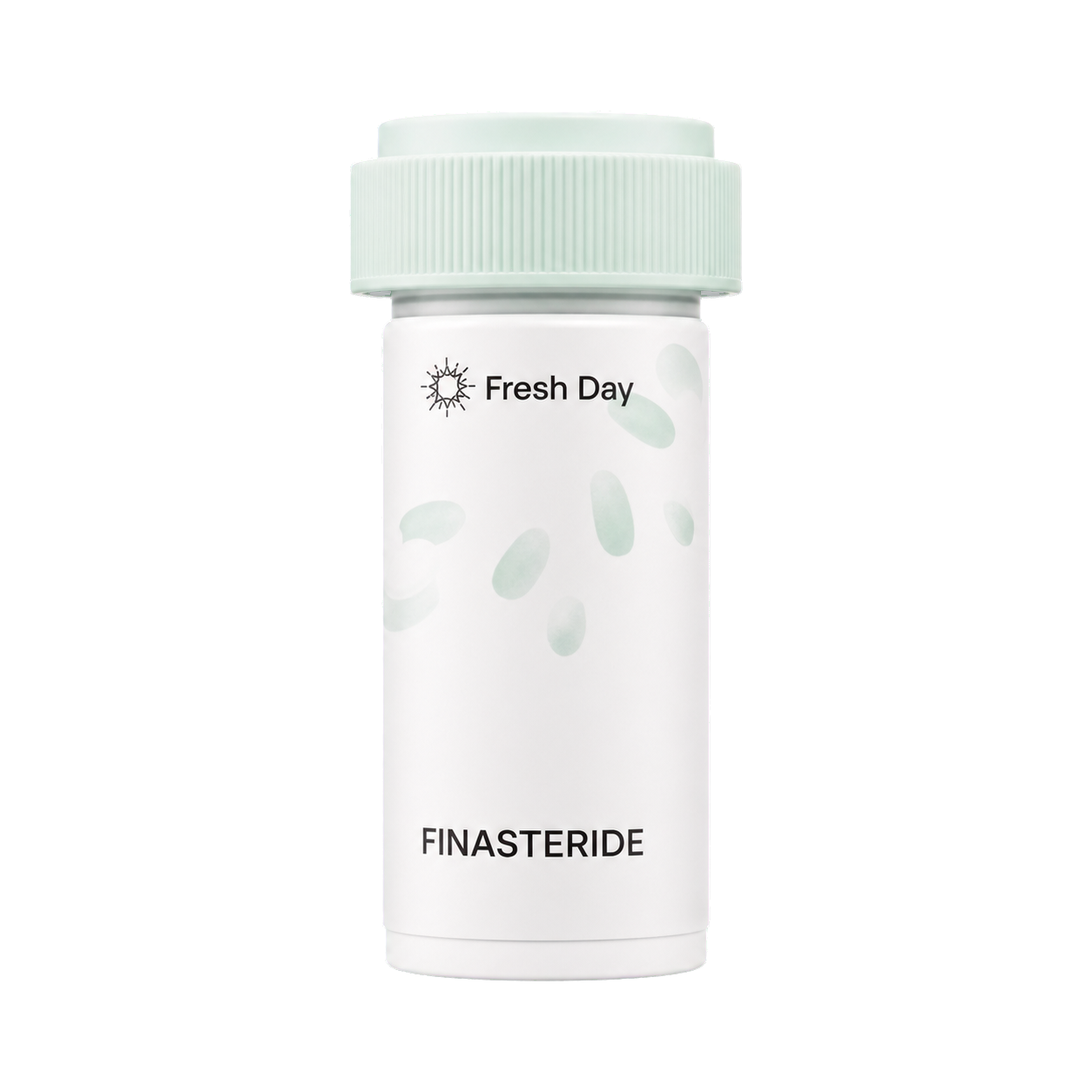
While fish oil offers promising benefits, true hair renewal often involves a holistic approach. Consider combining it with other proven strategies for hair health, such as a balanced diet, stress management, and targeted hair care. Products containing ingredients like finasteride and minoxidil can be highly effective for addressing hair loss, working to stimulate growth and slow thinning. Just like every fresh day offers a new opportunity, every step you take towards comprehensive wellness contributes to your hair's vitality.
A Fresh Day, For Your Hair
Embracing fish oil for its potential hair growth benefits is a progressive step towards a healthier, more vibrant you. It embodies the power of small steps that lead to meaningful transformation. By supporting your body from within, you're not just hoping for change; you're actively creating it. Consult today, new you tomorrow. Start today with Fresh Day, and let your hair reflect the renewal you feel inside.