








Embarking on a weight loss journey, especially one involving bariatric surgery, is a monumental step towards a healthier, fresher you. It's a testament to your commitment to renewal and vitality. While the physical transformation can be profoundly positive, some individuals may encounter an unexpected challenge along the way: hair loss.
At Fresh Day Meds, we're here to provide clarity and support, transforming potential concerns into opportunities for progress. It's a fresh day, for a new you, and understanding this temporary phase is key to navigating it with confidence and optimism.
Understanding Hair Loss After Bariatric Surgery
Hair loss after bariatric surgery is a common, though often temporary, side effect. It's generally a response to the significant physiological changes your body undergoes during and after surgery. This type of hair loss is often referred to as telogen effluvium, a condition where a large number of resting hair follicles enter the shedding phase prematurely.
Why Does It Happen?
Several factors contribute to hair loss following bariatric surgery, all linked to the rapid weight loss and nutritional shifts:
- Nutrient Deficiencies: Bariatric procedures alter how your body absorbs nutrients. Deficiencies in essential vitamins and minerals crucial for hair health, such as iron, zinc, biotin, protein, and B vitamins, are common post-surgery. Hair follicles need these nutrients to grow strong and healthy.
- Calorie Restriction: The significant reduction in calorie intake after surgery, while necessary for weight loss, can signal to your body that resources are scarce. As a survival mechanism, the body diverts nutrients away from non-essential functions like hair growth.
- Hormonal Changes: Rapid weight loss and changes in nutritional intake can impact hormone levels, which in turn can affect the hair growth cycle.
- Surgical Stress: The surgery itself is a significant stressor on the body. This physiological stress can trigger telogen effluvium, leading to increased hair shedding a few months after the event.
When to Expect It and How Long It Lasts
Typically, hair loss after bariatric surgery begins two to five months after the procedure. This timing is consistent with telogen effluvium, where hairs enter a resting phase and then shed about three months later. While it can be distressing, the good news is that for most people, this hair loss is temporary. As your body adjusts and your nutritional intake stabilizes, hair growth usually resumes within six to twelve months.
Your Path to Hair Renewal: What You Can Do
While this phase can be challenging, there are proactive steps you can take to support your hair's health and encourage regrowth. Embracing these strategies can help you feel more in control and optimistic about your journey.
1. Prioritize Nutritional Intake
This is perhaps the most crucial step. Work closely with your healthcare team and a dietitian to ensure you are meeting your daily requirements for protein, vitamins, and minerals. Focus on:
- Protein: Essential for hair structure. Ensure adequate intake from lean meats, fish, eggs, dairy, and plant-based sources.
- Iron: Deficiency is common after surgery. Include iron-rich foods or supplements as advised by your doctor.
- Zinc: Plays a vital role in hair tissue growth and repair.
- Biotin (Vitamin B7): Often marketed for hair health, though evidence is stronger for addressing specific deficiencies.
- Other B Vitamins: Crucial for cellular metabolism, including hair follicle activity.
2. Adhere to Supplement Regimens
Your surgeon and dietitian will recommend specific vitamin and mineral supplements post-surgery. Taking these consistently is vital for preventing deficiencies that contribute to hair loss. Don't skip them – they are a cornerstone of your recovery and renewal.
3. Gentle Hair Care Practices
During this period, treat your hair with extra care:
- Avoid Harsh Treatments: Limit heat styling, tight hairstyles, and chemical treatments that can stress your hair follicles.
- Gentle Washing: Use mild shampoos and conditioners, and avoid vigorous scrubbing or towel-drying.
- Soft Brushing: Use a soft-bristled brush and detangle gently from the ends up.
4. Manage Stress
The emotional impact of surgery and hair loss can be significant. Incorporate stress-reducing practices into your daily routine, such as mindfulness, light exercise, or spending time in nature. A calm mind supports a healthier body, including healthier hair.
5. Explore Supportive Treatments
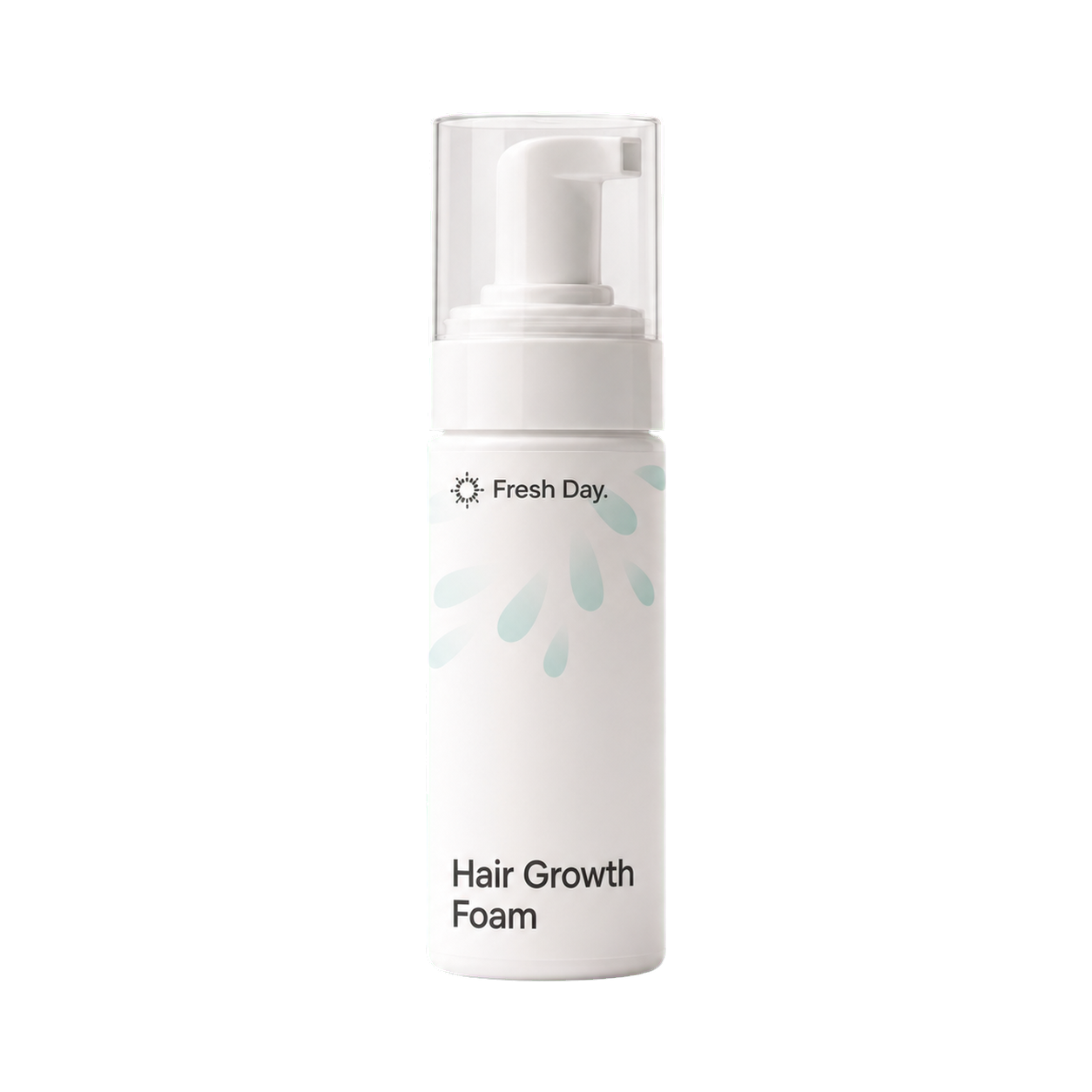
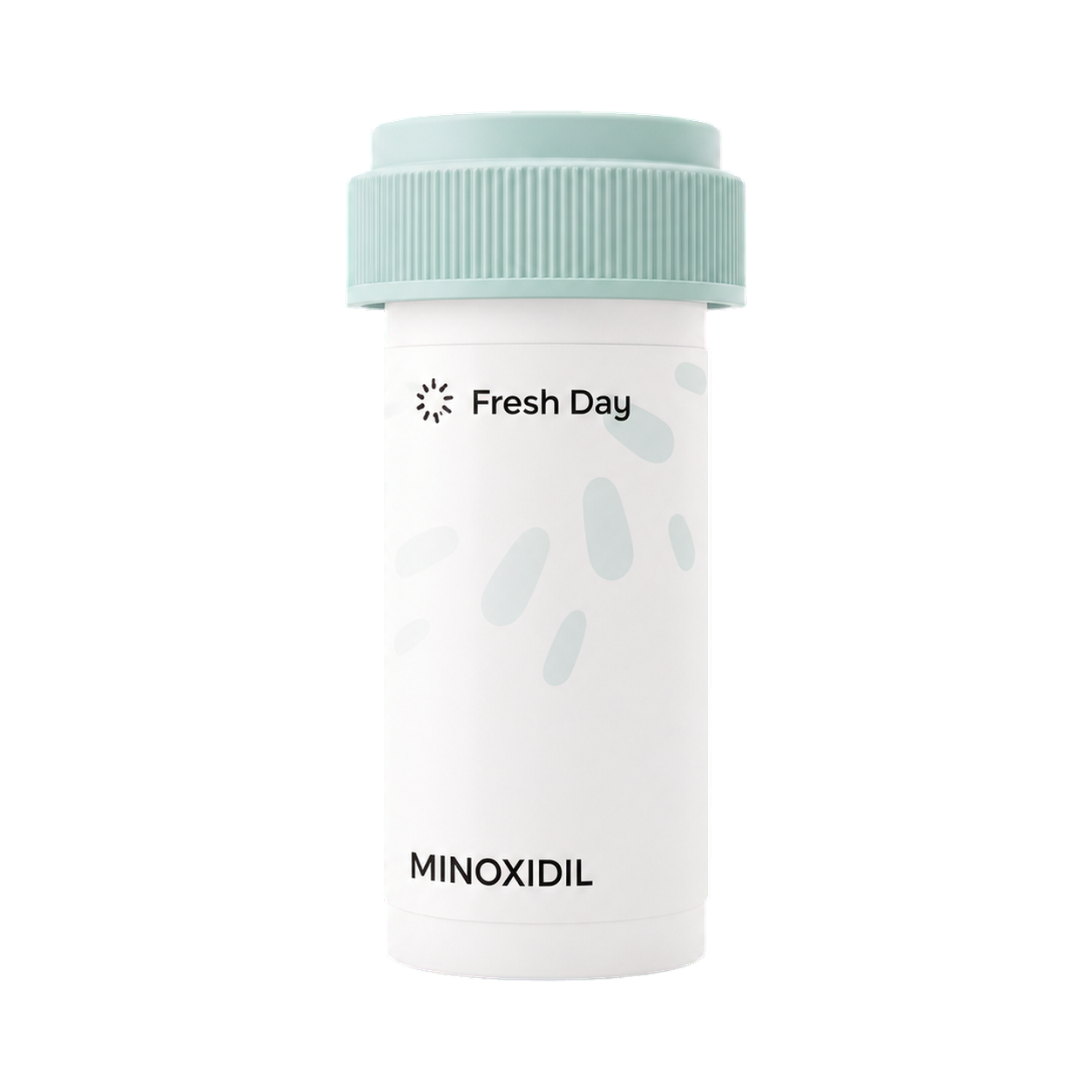
Once your nutritional status improves, you might consider topical treatments to stimulate regrowth, such as Minoxidil. Minoxidil is an FDA-approved topical treatment that works by revitalizing hair follicles and promoting hair growth. For some, a personalized approach including options like finasteride (for male pattern baldness) or other prescription solutions might be discussed with a healthcare provider. These options can provide an extra boost of confidence and progress on your hair health journey.
A Fresh Perspective
Hair loss after bariatric surgery is a temporary hurdle on your path to a renewed self. By focusing on nutrition, adhering to your medical advice, and practicing gentle self-care, you can support your body's natural healing process and encourage robust hair regrowth. Every sunrise is a chance to start over, and every step you take towards understanding and addressing this challenge brings you closer to the vibrant, balanced life you envision. Consult today, new you tomorrow – Fresh Day Meds is here to guide you toward a fresh start for your hair and your overall well-being.