


It’s a common belief that higher testosterone automatically equates to better sexual function. For many, the idea that high testosterone could cause erectile dysfunction (ED) seems counterintuitive. After all, testosterone is the primary male sex hormone, crucial for libido and sexual development. Yet, the relationship between testosterone levels and erectile function is more nuanced than a simple 'more is better.' At Fresh Day Meds, we believe in providing clarity and support on your health journey, helping you understand these complexities so you can achieve renewal and balance.
The Role of Testosterone in Male Sexual Health
Testosterone plays a vital role in numerous bodily functions, including:
- Libido and sexual desire: It's a primary driver of sex drive.
- Sperm production: Essential for male fertility.
- Bone density and muscle mass: Contributes to physical strength and structure.
- Red blood cell production: Supports overall energy and vitality.
- Mood and cognitive function: Influences emotional well-being and mental clarity.
When testosterone levels are low (often referred to as 'Low T'), symptoms like decreased libido, fatigue, mood swings, and yes, erectile dysfunction, can occur. This is why many people assume that the opposite—high testosterone—would naturally lead to enhanced sexual performance. However, the body's systems are finely balanced, and extremes in either direction can disrupt optimal function.
Can Too Much Testosterone Lead to ED?
While low testosterone is a well-established cause of ED, the idea of high testosterone leading to ED is less commonly discussed and can be confusing. It's important to differentiate between naturally high testosterone levels and abnormally high levels, often caused by external factors or certain medical conditions.
The Body's Natural Regulation
Your body has sophisticated mechanisms to regulate hormone levels. The hypothalamus, pituitary gland, and testes work in a feedback loop to maintain testosterone within a healthy range. When testosterone levels rise, the body typically signals to reduce its production. This natural regulation usually prevents testosterone from becoming excessively high through internal means.
External Factors and Abnormally High Testosterone
Problems can arise when external factors disrupt this delicate balance, leading to unnaturally high testosterone. This is most commonly seen in situations involving:
- Anabolic steroid use: Individuals who misuse anabolic steroids or engage in testosterone supplementation without proper medical supervision can experience supraphysiological (extremely high) testosterone levels. Ironically, while initially seeking to boost performance, this can backfire.
- Certain medical conditions: Though rare, some conditions like adrenal tumors can lead to abnormally high testosterone levels.
How Abnormally High Testosterone Might Impact Erectile Function
The exact mechanisms by which abnormally high testosterone can contribute to ED are still being researched, but several theories exist:
Disruption of the HPTA Axis
The Hypothalamic-Pituitary-Testicular Axis (HPTA) is the command center for testosterone production. When external testosterone is introduced or levels become excessively high, the HPTA axis can shut down. This suppression can lead to a reduction in the body's natural testosterone production, and critically, a decrease in the production of other hormones essential for sperm production and overall gonadal function, even if circulating testosterone levels appear high from the external source.
Estrogen Imbalance
Testosterone can be converted into estrogen (estradiol) in the body through an enzyme called aromatase. When testosterone levels are extremely high, more testosterone can be converted into estrogen. An imbalance with excessively high estrogen levels in men can lead to several issues, including:
- Gynecomastia (enlarged breast tissue): A common side effect of high estrogen.
- Fluid retention: Can affect overall circulation.
- Decreased libido: Paradoxically, very high estrogen can suppress sex drive.
- Potentially impacting nitric oxide production: Nitric oxide is crucial for relaxing the smooth muscles in the penis, allowing blood flow for an erection. High estrogen might interfere with this process.
Impact on Blood Flow and Vascular Health
While testosterone generally supports cardiovascular health, extremely high levels, particularly from steroid abuse, can have adverse effects on the heart and blood vessels, potentially impacting the blood flow necessary for erections.
Psychological Factors
The pursuit of extremely high testosterone, often driven by performance enhancement goals, can also be linked to psychological pressures and body image issues. Stress, anxiety, and performance pressure are significant contributors to ED, regardless of hormone levels.
When to Seek Clarity
If you're experiencing erectile dysfunction or have concerns about your hormone levels, the best first step is always to consult with a healthcare professional. At Fresh Day Meds, we emphasize the importance of science-backed solutions and personalized care. A doctor can accurately assess your hormone levels through blood tests and help identify any underlying causes for your symptoms.
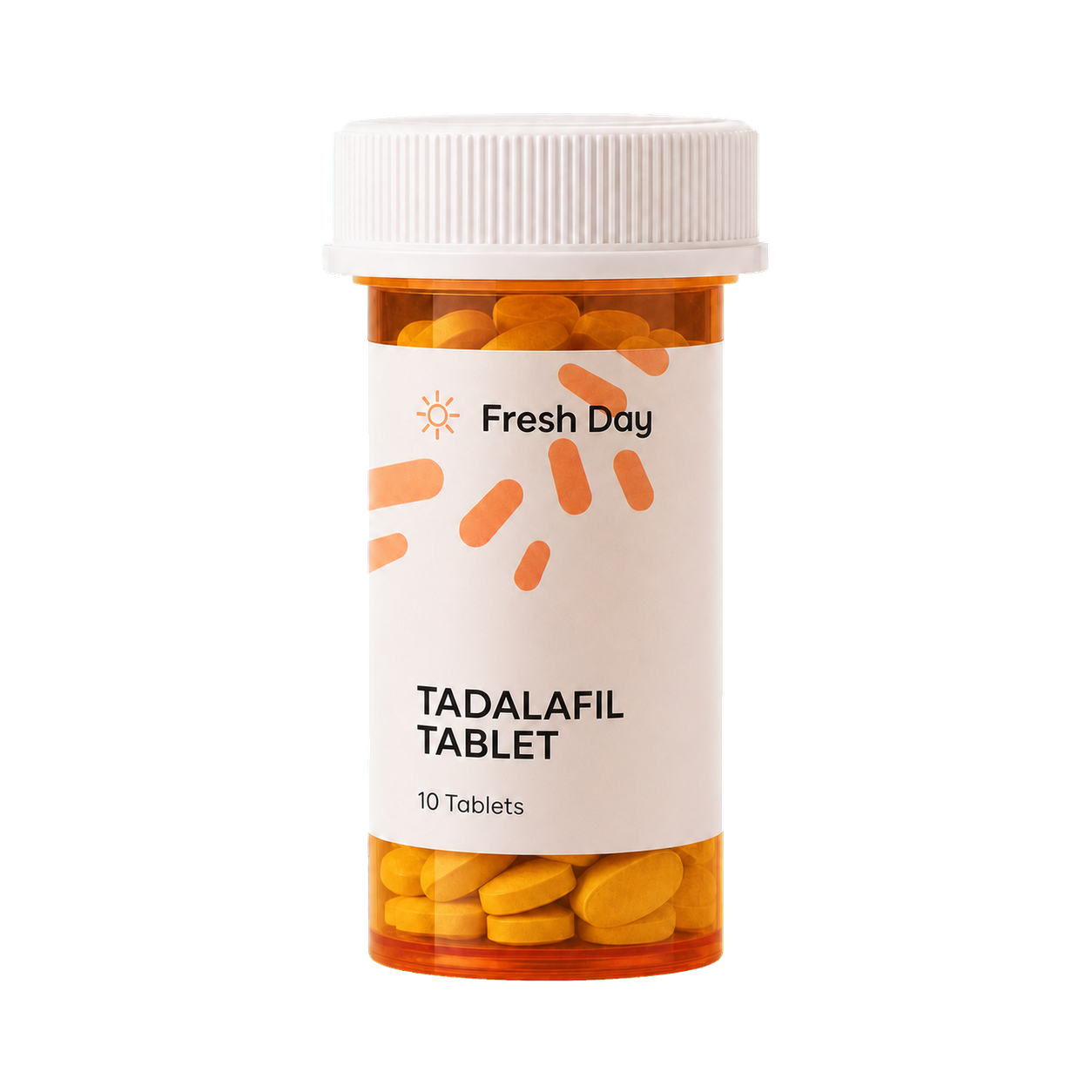
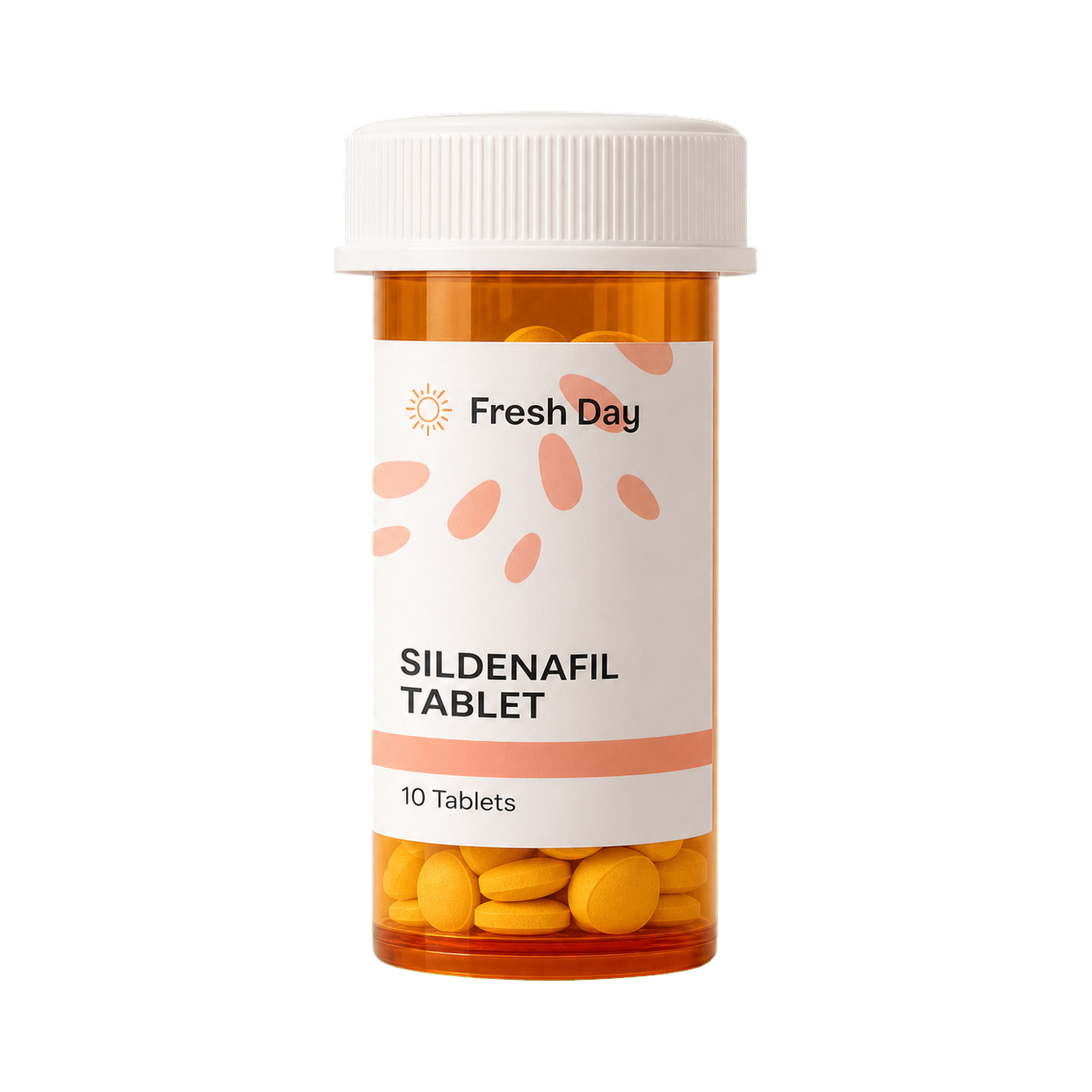
Remember, optimizing your health is about balance, not extremes. A healthy lifestyle, including a balanced diet, regular exercise, stress management, and adequate sleep, plays a fundamental role in supporting overall sexual wellness. Sometimes, a tailored approach involving medications like sildenafil or tadalafil might be part of your renewal journey, but understanding the root cause is always key.
It’s a fresh day, for a new you. Don't let confusion or misinformation hold you back. Consult today to gain clarity and take the small steps that lead to meaningful transformation in your sexual wellness journey. Your path to balance and lasting vitality starts now.