


Many of us look in the mirror and wonder about the future of our hair. Is that thinning crown or receding hairline a sign of things to come, a legacy passed down through generations? The short answer is often yes. Hereditary hair loss, particularly male pattern baldness (androgenetic alopecia), is incredibly common, and understanding its genetic roots can be the first step toward a fresh approach to your hair health.
At Fresh Day Meds, we believe in clarity and progress. Understanding why you're experiencing hair loss empowers you to take meaningful steps toward renewal. Let's delve into the science behind hereditary hair loss and what it means for you.
The Genetic Blueprint of Hair Loss
Hereditary hair loss isn't just an old wives' tale; it's a well-documented genetic condition. While it's often said that hair loss comes from your mother's side, the truth is a bit more complex. Genes from both parents can play a role, making it a polygenic trait—meaning multiple genes contribute to the condition.
The primary culprit in male pattern baldness is a hormone called dihydrotestosterone (DHT). DHT is a derivative of testosterone, and certain hair follicles are genetically predisposed to be sensitive to it. When these follicles are exposed to DHT, they begin to shrink, a process called miniaturization. Over time, these miniaturized follicles produce thinner, shorter, and finer hairs, eventually ceasing to produce hair altogether.
Signs of Hereditary Hair Loss
How do you know if your hair loss is hereditary? While a professional diagnosis from a healthcare provider is always best, here are some common signs:
- Gradual Thinning: You'll notice a slow, progressive thinning of hair, rather than sudden patches or clumps falling out.
- Patterned Loss: For men, this typically follows a characteristic pattern—a receding hairline (often forming an 'M' shape) or thinning at the crown. For women, it's usually a widening part or diffuse thinning over the top of the scalp.
- Family History: If close relatives like your parents, grandparents, uncles, or siblings have experienced similar hair loss patterns, it significantly increases your likelihood.
- Onset: Hereditary hair loss can start as early as your late teens or early twenties, and it tends to progress with age.
If you're noticing these signs, remember that early action can make a big difference. Every sunrise brings a chance to start anew, and that includes your hair health journey.
The Role of DHT in Male Pattern Baldness
As mentioned, DHT is the key player. The enzyme 5-alpha reductase converts testosterone into DHT. Individuals with hereditary hair loss have hair follicles that are more sensitive to DHT. This sensitivity leads to:
- Shortened Growth Phase: DHT shortens the anagen (growth) phase of the hair cycle.
- Miniaturization: Hair follicles shrink, producing progressively finer and shorter hairs.
- Increased Resting Phase: Hair follicles spend more time in the telogen (resting) phase, leading to more shedding.
Understanding this mechanism is crucial because many effective treatments for hereditary hair loss aim to block or reduce DHT's effects on the scalp.
Beyond Genetics: Other Factors Influencing Hair Loss
While genetics are a major determinant, other factors can influence the onset and severity of hair loss, even in those predisposed:
- Age: Hair loss often progresses with age, as the cumulative effect of DHT takes its toll.
- Hormonal Changes: Fluctuations in hormones, especially androgens, can accelerate hair loss.
- Stress: High levels of chronic stress can trigger or exacerbate hair shedding.
- Nutrition: While not a primary cause of hereditary hair loss, nutritional deficiencies can impact overall hair health and growth.
- Underlying Medical Conditions: Certain conditions, like thyroid disorders or autoimmune diseases, can also contribute to hair loss, making a proper diagnosis essential.
Taking Action: Your Path to Thicker Hair
Discovering that your hair loss is hereditary doesn't mean you're powerless. In fact, it's a call to action! With modern science and a proactive approach, you can manage and even reverse the effects of hereditary hair loss. Fresh Day Meds offers solutions that make daily care simple, accessible, and inspiring.
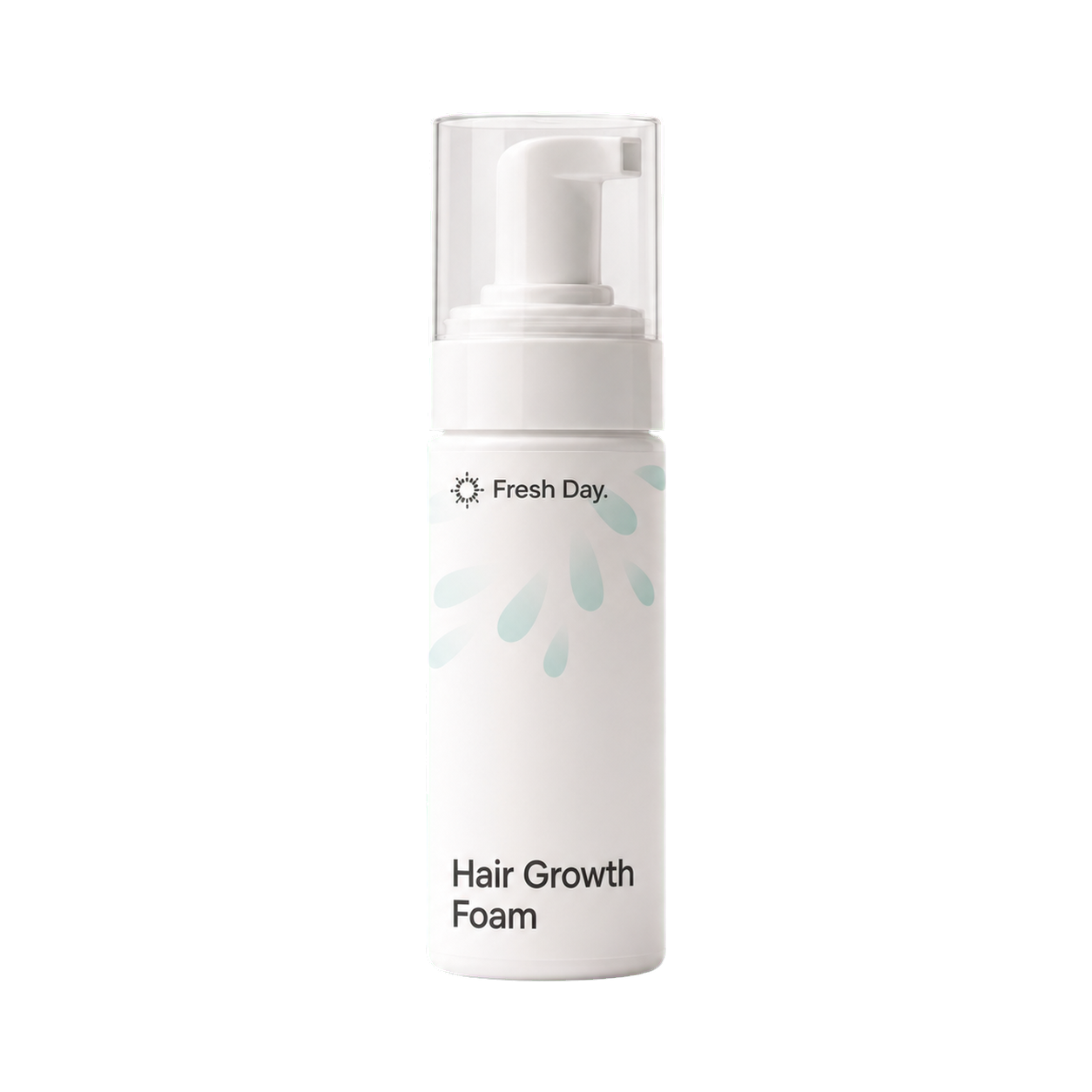
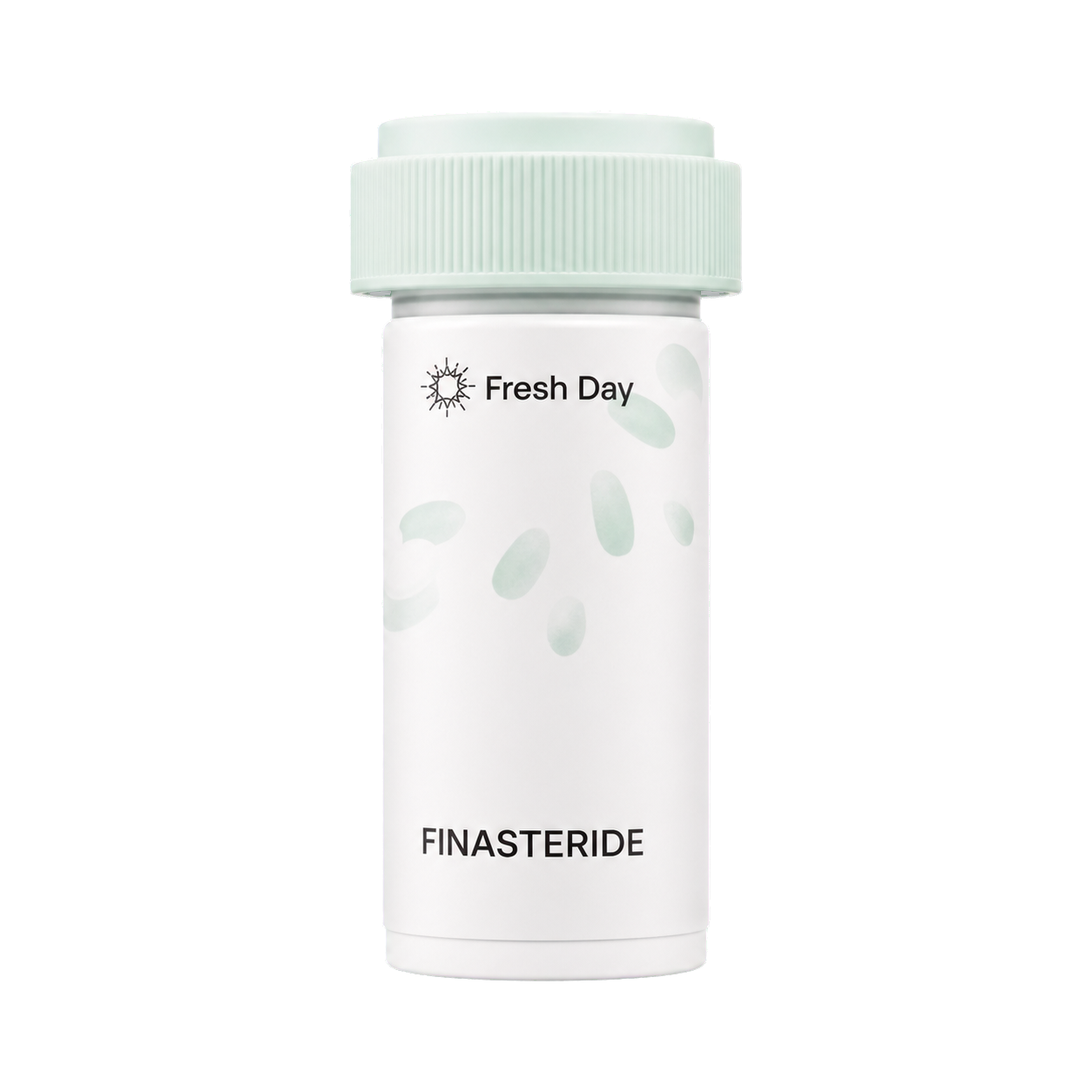
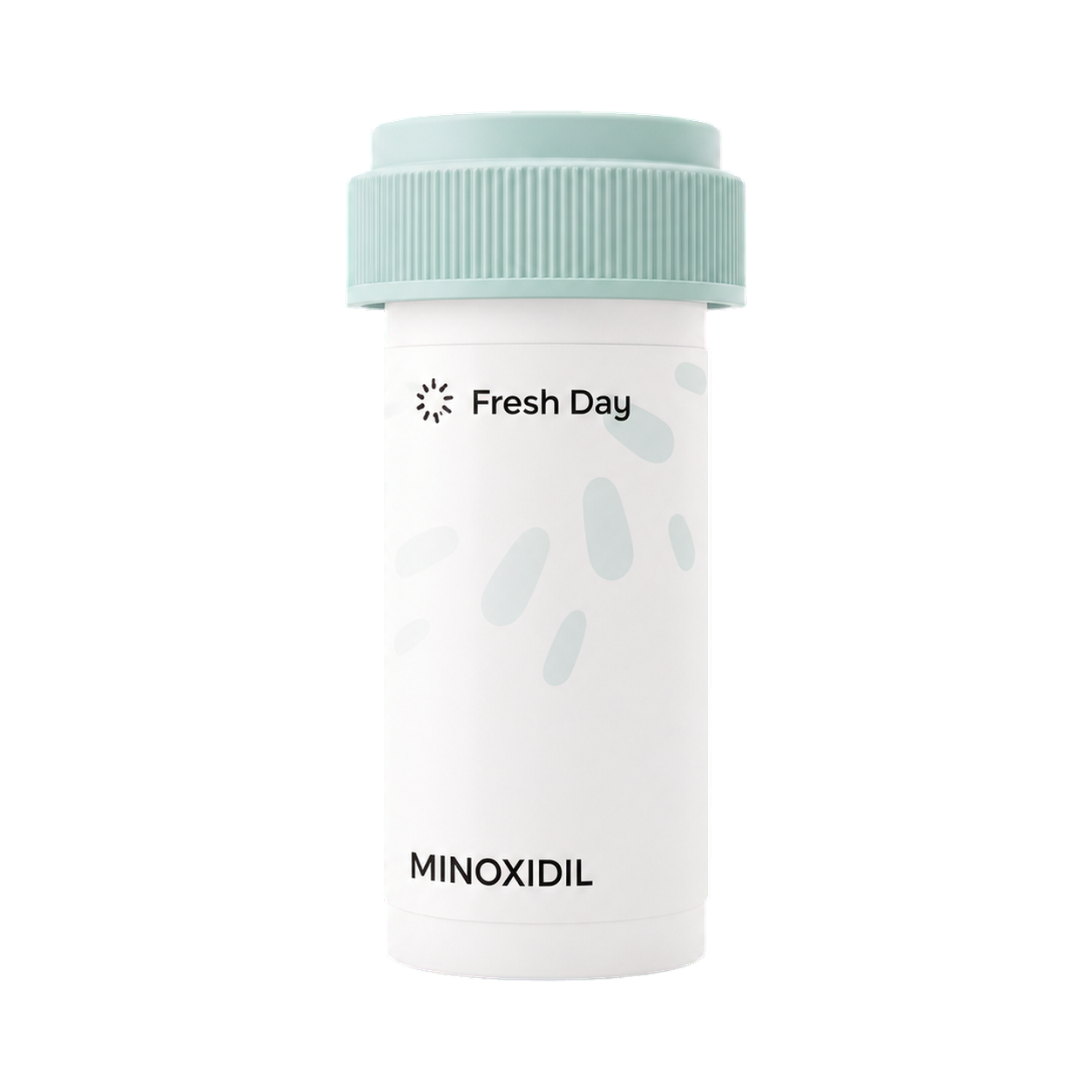
One of the most effective ways to combat hereditary hair loss is by targeting DHT. Finasteride, for example, works by inhibiting the 5-alpha reductase enzyme, thereby reducing DHT levels in the scalp. This can help prevent further miniaturization and even promote regrowth. Minoxidil is another powerful ally, working by stimulating hair follicles and extending the growth phase.
For those seeking clarity in their hair journey, Fresh Day Meds provides access to science-backed treatments tailored to your needs. We believe in empowering you with the knowledge and tools to achieve renewal, balance, and lasting vitality.
Start today with Fresh Day. Change doesn't start on Monday—it starts today. Consult with a healthcare provider to understand your unique situation and explore the best path forward for you. Your fresh start to thicker, fuller hair is within reach. Remember, every choice carries purpose, not decoration, and investing in your hair health is an investment in your confidence and well-being. Consult today, new you tomorrow!