

For many, realizing that hair is thinning or receding can be a moment of concern. And often, the first question that comes to mind is: "Is this happening because of my family history?" The answer, for many, is a resounding yes. Hereditary hair loss, particularly male pattern baldness (androgenetic alopecia), is incredibly common and often feels like an unavoidable part of aging. But understanding your genetic predisposition is the first step towards clarity and finding solutions.
At Fresh Day Meds, we believe in providing clear, science-backed insights so you can approach your hair health journey with confidence and optimism. It's a fresh day, for a new you, and understanding your genetics can empower you to take meaningful steps towards renewal and vitality.
The Genetic Blueprint of Hair Loss
Hereditary hair loss is primarily linked to your genes. It's not just passed down from your father's side, as once commonly believed. The genetics are complex, involving multiple genes inherited from both sides of your family. The most significant gene associated with male pattern baldness (MPB) is found on the X chromosome, which means you can inherit it from your mother’s side (specifically, her father).
Male Pattern Baldness (Androgenetic Alopecia)
This is the most common form of hair loss, affecting millions worldwide. It’s characterized by a receding hairline, thinning at the crown, or both. The key player in MPB is a hormone called dihydrotestosterone (DHT).
- DHT Sensitivity: If you have a genetic predisposition to MPB, your hair follicles are more sensitive to DHT. Over time, DHT shrinks these sensitive hair follicles, making them produce shorter, finer, and eventually, no hair at all.
- The Hair Growth Cycle: Each hair follicle goes through a growth cycle. In MPB, the growth phase (anagen) shortens, and the resting phase (telogen) lengthens. The follicles also miniaturize, leading to the characteristic thinning.
Understanding this process helps clarify why treatments often focus on managing DHT levels or stimulating growth in miniaturizing follicles.
Unraveling the Genetic Connection
While the primary gene on the X chromosome plays a significant role, research shows that many other genes on different chromosomes also influence when hair loss begins, how quickly it progresses, and its pattern. This multi-gene involvement explains why some individuals experience hair loss earlier or more severely than others, even within the same family.
So, if your father, grandfather, or uncles experienced hair loss, there's a higher likelihood that you might too. However, genetics aren't a guarantee; they simply indicate a higher risk. Lifestyle factors, stress, and overall health can also influence the onset and progression of hair loss.
What Can You Do About Hereditary Hair Loss?
The good news is that even if hair loss runs in your family, you're not powerless. Science has come a long way in offering effective solutions. The key is early intervention and a consistent approach.
Early Intervention is Key
Catching hair loss early, when follicles are miniaturizing but still active, offers the best chance for successful treatment. If you notice signs of thinning or a receding hairline, don't wait. Consult with a healthcare professional to understand your options.
Science-Backed Treatments
At Fresh Day Meds, we focus on science to provide clarity and effective solutions for hair health. Two of the most common and effective treatments for hereditary hair loss are:
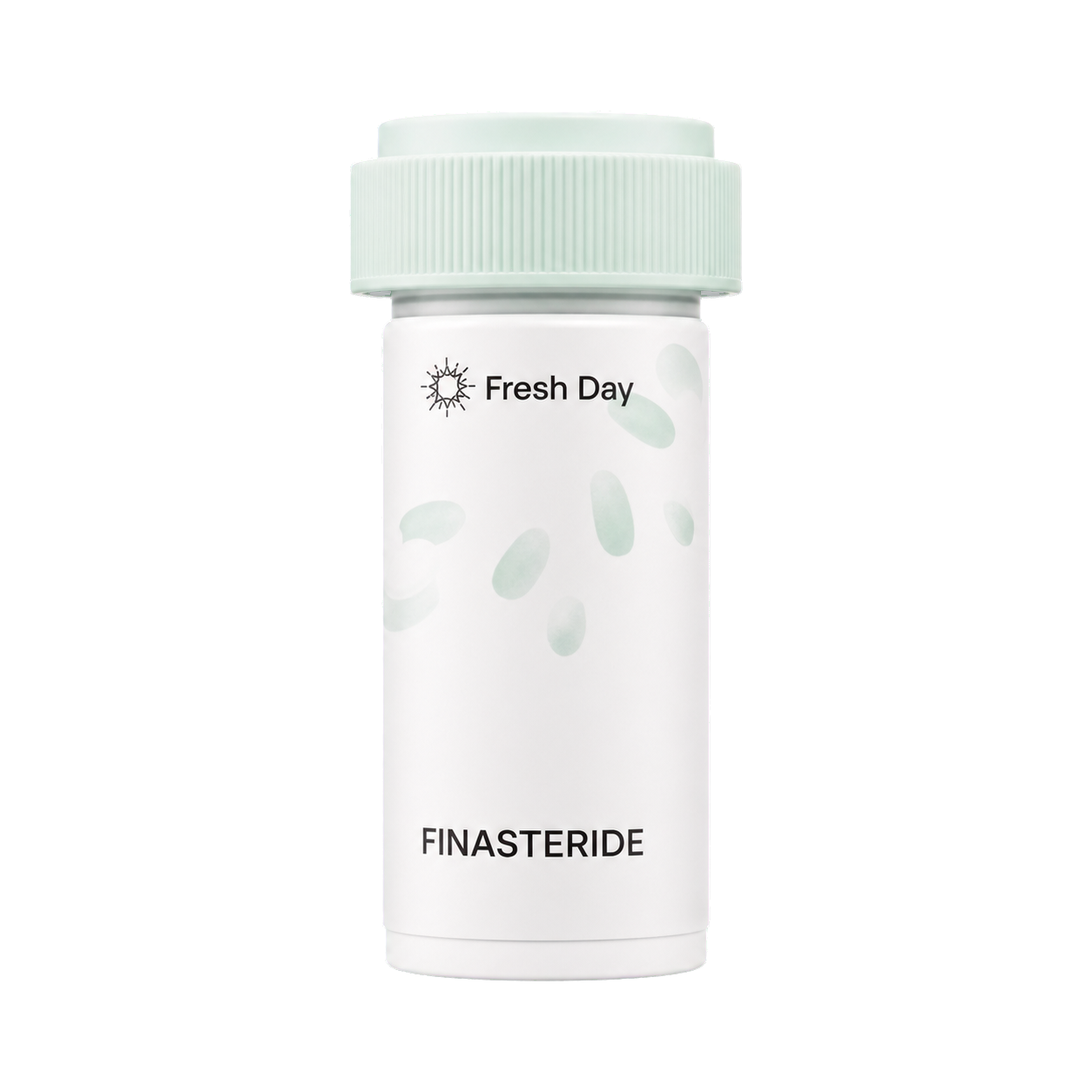
- Finasteride: This medication works by inhibiting the enzyme 5-alpha reductase, which converts testosterone into DHT. By reducing DHT levels, Finasteride helps prevent further hair loss and can even stimulate regrowth in some individuals. It's a powerful tool for addressing the root cause of DHT-sensitive hair loss.
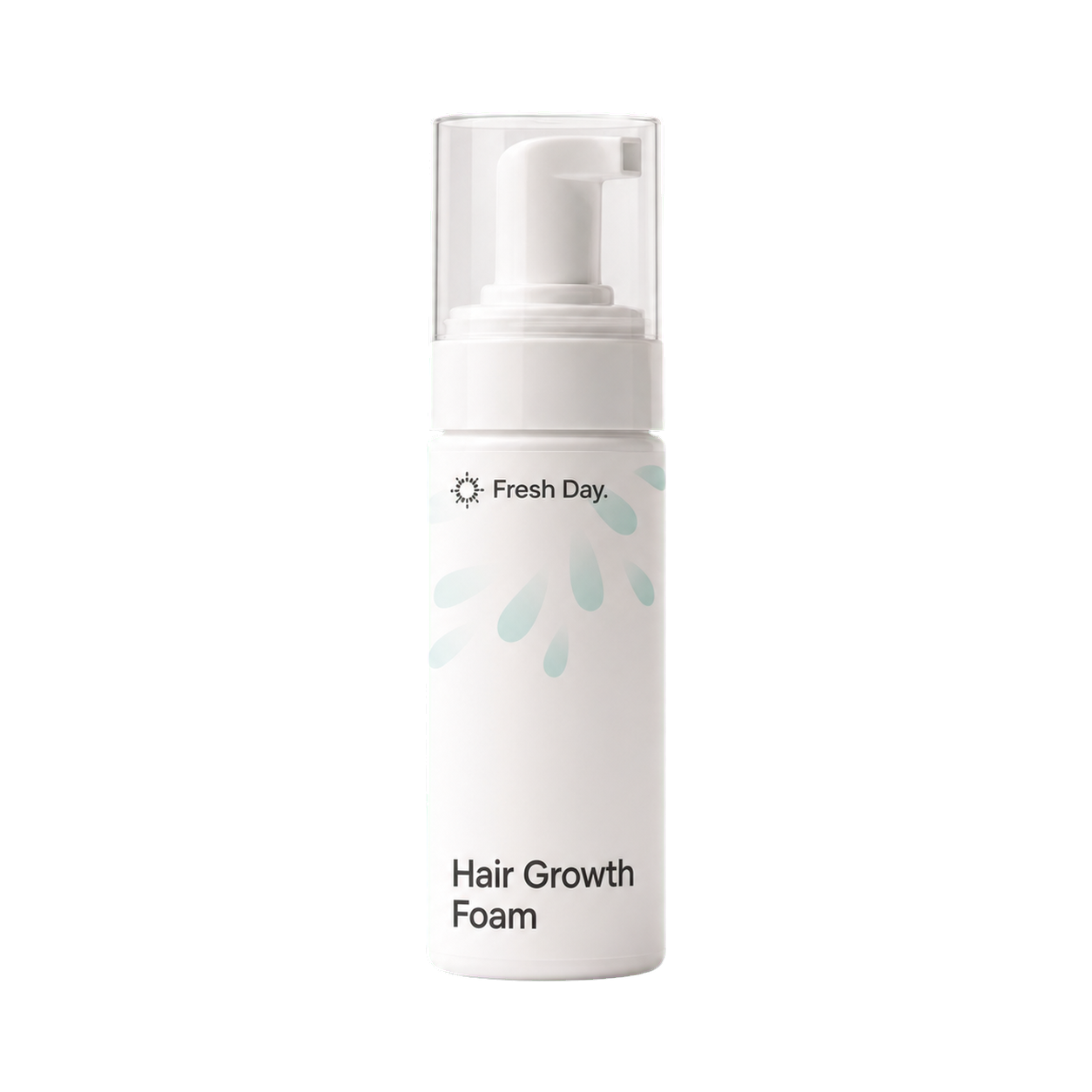
- Minoxidil: While Finasteride tackles the hormonal aspect, Minoxidil works directly on the scalp. It's a topical solution that helps to widen blood vessels, increasing blood flow and nutrient delivery to hair follicles. This can help to prolong the growth phase of hair follicles and promote thicker, healthier hair. Minoxidil is often used in conjunction with Finasteride for comprehensive treatment.
These treatments embody the power of small steps that lead to meaningful transformation. They are simple, accessible, and inspiring, offering a fresh path forward.
Lifestyle and Scalp Health
While genetics play a major role, supporting your overall hair and scalp health can also contribute to better outcomes:
- Nutrient-Rich Diet: Ensure your diet includes vitamins and minerals essential for hair growth, such as biotin, zinc, and iron.
- Gentle Hair Care: Avoid harsh chemicals, excessive heat styling, and tight hairstyles that can stress hair follicles.
- Stress Management: High stress levels can exacerbate hair loss. Incorporate mindfulness and relaxation techniques into your daily wellness routine.
Your Fresh Start for Hair Renewal
Understanding that your hair loss might be hereditary isn't a sentence, but an opportunity for proactive care. With the right knowledge and effective treatments like Finasteride and Minoxidil, you can take control of your hair's future. It's about empowering you to seek clarity and renewal.
Change doesn't start on Monday—it starts today. Consult today, New you tomorrow. Fresh Day Meds is here to support you with confidence and the promise of a brighter tomorrow for your hair. Embrace the optimism of a fresh day and start your journey towards lasting vitality and renewed hair health.