

Every sunrise is a chance to start over, and today, we're shedding light on a common question that might surprise you: Is there a connection between erectile dysfunction (ED) and hair loss? At first glance, these two conditions might seem entirely unrelated. One affects sexual function, the other, your appearance. However, when we look closer at the underlying health mechanisms, a surprising picture emerges. Understanding these connections can bring clarity to your health journey and empower you towards lasting vitality.
More Than Meets the Eye: Shared Roots of ED and Hair Loss
While ED and hair loss manifest in very different ways, they can sometimes share common underlying causes or risk factors, particularly when we talk about male pattern baldness (androgenetic alopecia) and certain types of ED.
The Cardiovascular Connection
One of the most significant overlapping areas is cardiovascular health. ED is often an early warning sign of underlying cardiovascular disease. The blood vessels that supply the penis are much smaller than those supplying the heart, meaning they can become blocked or damaged sooner. When blood flow is restricted to the penis, an erection becomes difficult to achieve or maintain.
How does this relate to hair loss? While not as directly linked, poor cardiovascular health can also impact the microcirculation to the scalp. A healthy blood supply is essential for delivering nutrients and oxygen to hair follicles, supporting healthy hair growth. Conditions like high blood pressure, high cholesterol, and diabetes, which compromise cardiovascular health, can potentially affect both erectile function and hair follicle health over time.
Hormonal Factors: The Role of Androgens
This is where the connection becomes more direct, especially for male pattern baldness. Androgenetic alopecia is primarily caused by a genetic sensitivity to dihydrotestosterone (DHT), a potent androgen derived from testosterone. DHT can shrink hair follicles, leading to thinning and eventual hair loss.
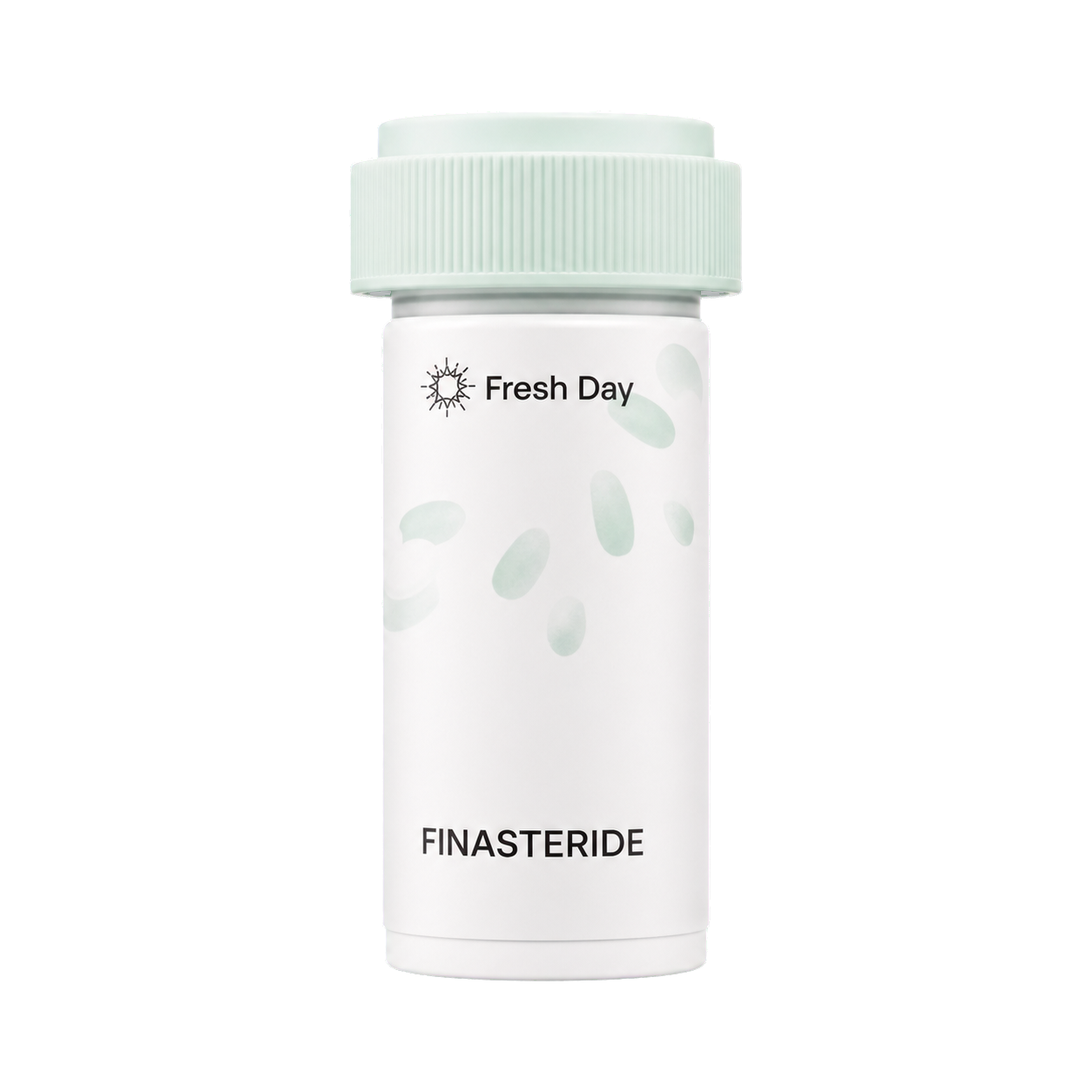
Does DHT impact ED? While high DHT levels are not a direct cause of ED, the broader hormonal picture can be relevant. Low testosterone (Low T) can impact libido and contribute to ED symptoms. Medications that block DHT, such as finasteride, are used to treat male pattern baldness. It's important to note that while effective for hair loss, some men using finasteride report sexual side effects, including ED or decreased libido, though these are generally reversible upon discontinuation. This highlights the intricate balance of hormones in the male body and their widespread influence.
The Impact of Stress and Lifestyle
Our modern lives often leave us overwhelmed, and stress can take a significant toll on both our physical and mental well-being. Chronic stress can:
- Affect Hormones: Prolonged stress can elevate cortisol levels, which can disrupt the balance of other hormones, including testosterone.
- Constrict Blood Vessels: Stress can lead to vasoconstriction, reducing blood flow to various parts of the body, including the penis and scalp.
- Impact Mental Health: Stress and anxiety are well-known contributors to psychological ED. They can also exacerbate conditions like telogen effluvium, a type of temporary hair loss triggered by significant stress.
Adopting daily wellness routines, managing stress, and prioritizing sleep are small steps that lead to meaningful transformation, positively impacting both your sexual health and hair health.
Medications and Their Side Effects
Certain medications prescribed for various health conditions can unfortunately have side effects that impact both sexual function and hair growth. For instance:
- Antidepressants: Some antidepressants can cause sexual dysfunction, including ED.
- Blood Pressure Medications: Certain types can also contribute to ED.
- Finasteride: As mentioned, while effective for hair loss, it can, for some individuals, lead to sexual side effects.
It's always important to discuss any concerns about medication side effects with your healthcare provider to ensure you find the right balance for your overall health.
What This Means for Your Health Journey
The overlap between ED and hair loss, particularly male pattern baldness, underscores a key message: your body systems are interconnected. Issues in one area can often be a reflection of broader health concerns. Seeing ED or hair loss not just as isolated problems, but as potential signals from your body, can be a powerful step towards renewal and balance.
Seeking Clarity and Taking Action
If you are experiencing either ED or significant hair loss, it's a fresh opportunity to seek clarity. Don't dismiss these symptoms. Consult today, new you tomorrow. A healthcare provider can:
- Conduct a Comprehensive Assessment: Evaluate your overall health, including cardiovascular status, hormone levels, and lifestyle factors.
- Identify Underlying Causes: Determine if there are shared risk factors contributing to both conditions.
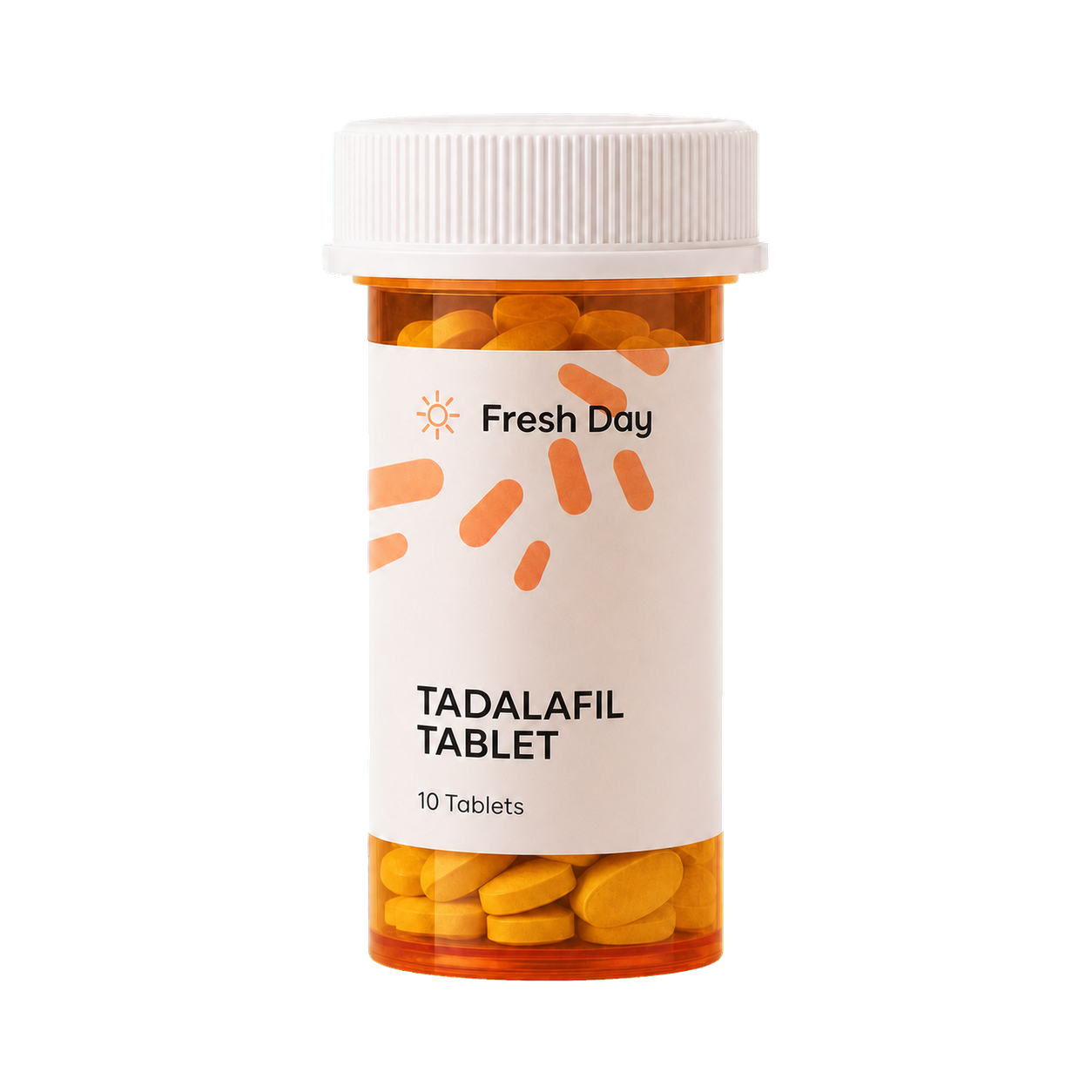
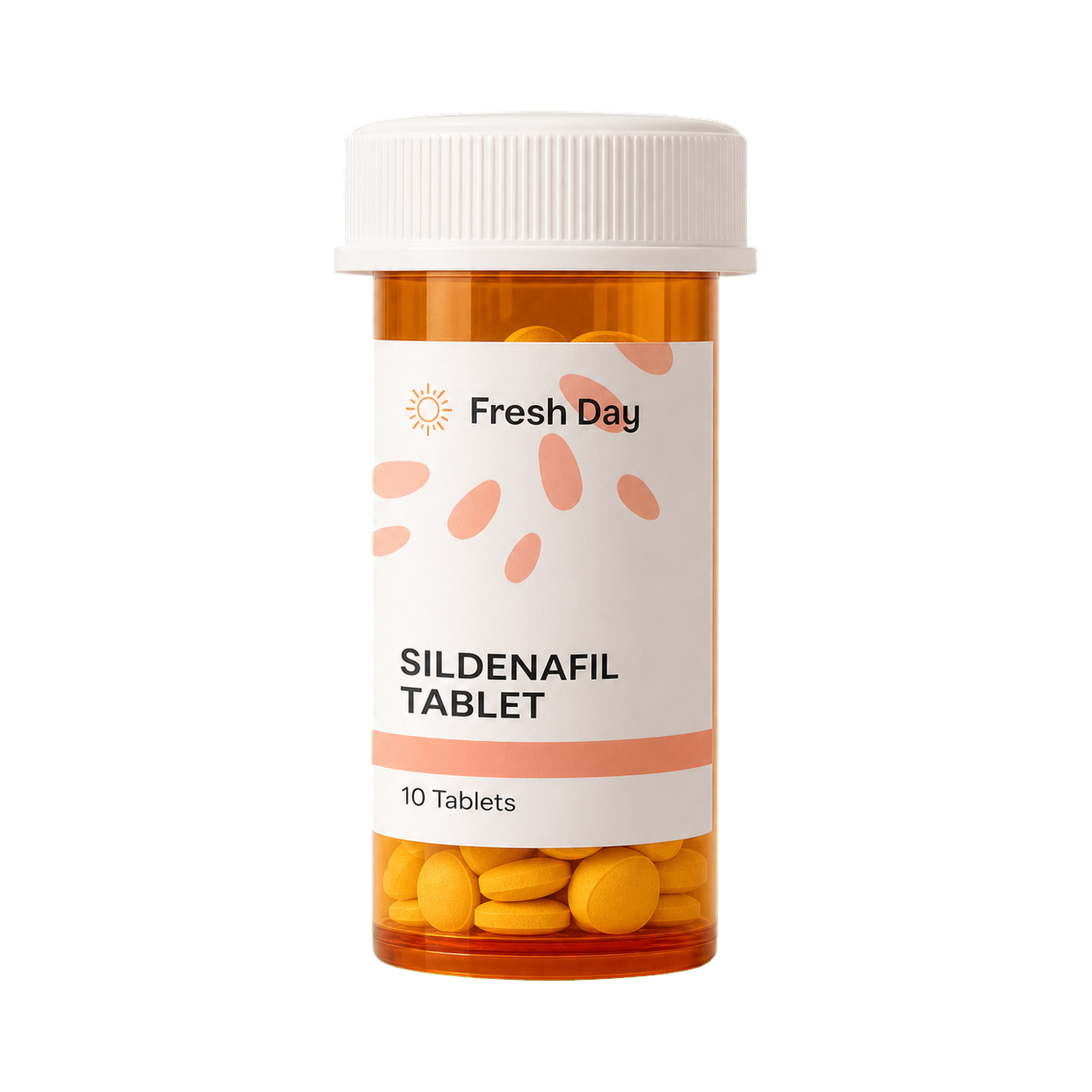
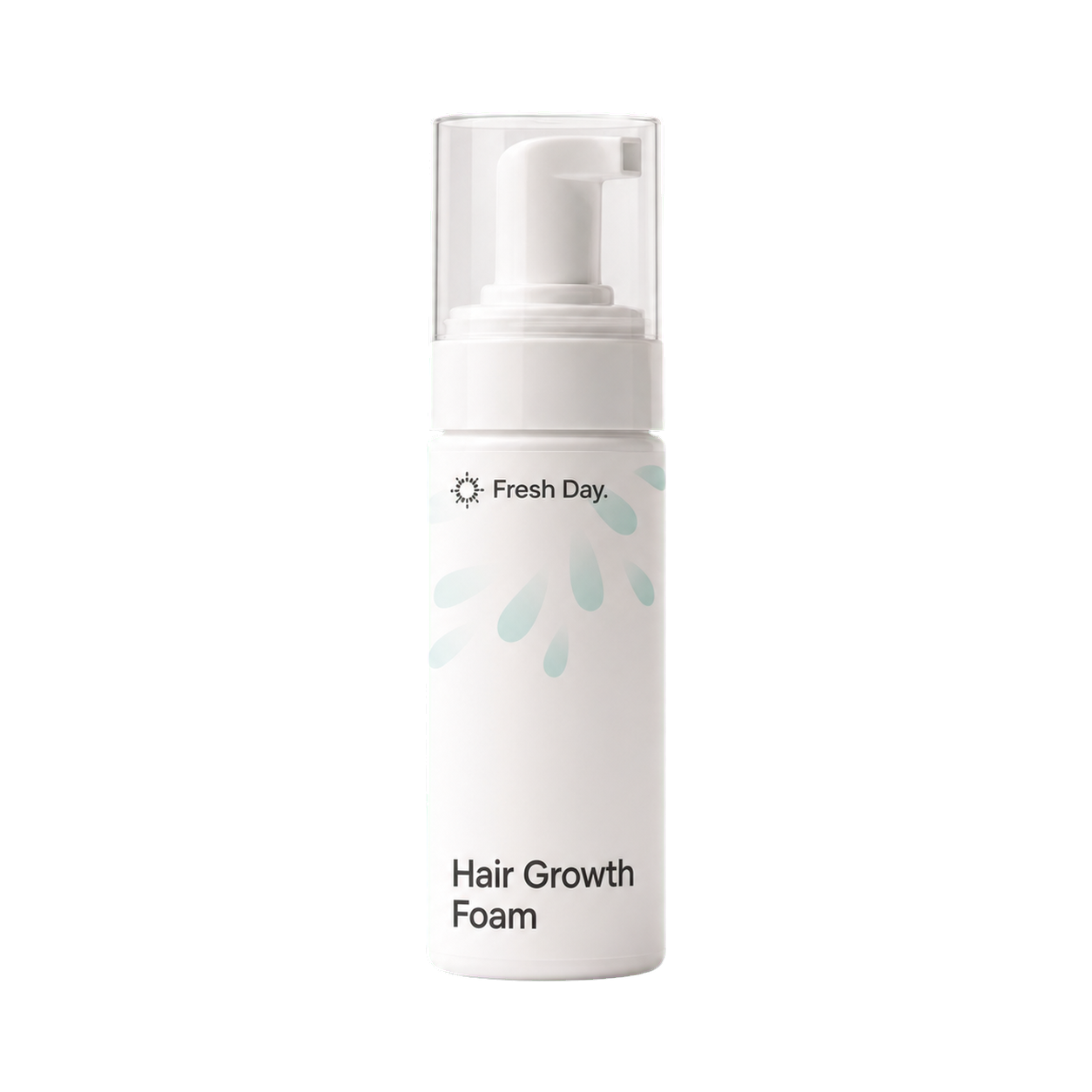
- Recommend Tailored Treatments: This might include specific medications for ED (like sildenafil or tadalafil), hair loss treatments (like minoxidil or finasteride), or strategies to improve overall health.
- Offer Lifestyle Guidance: Provide advice on diet, exercise, stress reduction, and other daily wellness practices that support both sexual and hair health.
At Fresh Day Meds, we believe in empowering you with purposeful, accessible solutions. Whether you're looking for solutions for hair regrowth or sexual wellness, our goal is to provide care, confidence, and the promise of a brighter tomorrow. Remember, change doesn't start on Monday—it starts today.
Key Takeaways
- ED and male pattern baldness can share common risk factors, primarily cardiovascular health issues and hormonal influences (like DHT and testosterone levels).
- Both conditions can be exacerbated by lifestyle factors such as chronic stress.
- Certain medications for hair loss (e.g., finasteride) can have sexual side effects, highlighting physiological connections.
- Experiencing either ED or hair loss is an opportunity to consult a healthcare professional for a comprehensive health assessment.
- Addressing underlying health issues provides a fresh path to renewed vitality and balance for both sexual health and hair health.