





It's a fresh day, and you're looking in the mirror, noticing changes in your hairline. Perhaps you love the look of longer hair, but a little voice wonders: could my hairstyle actually be contributing to hair loss? It's a common question, and one that often leads to confusion. At Fresh Day Meds, we believe in providing clarity on your health journey, offering supportive insights that lead to meaningful transformation. Let's dive into the truth about long hair and hair loss, and then explore some uplifting styling tips for those with a receding hairline.
Unpacking the Myth: Does Long Hair Cause Hair Loss?
The short answer is: no, simply having long hair does not directly cause hair loss. Hair length itself doesn't inherently put undue stress on your follicles or accelerate conditions like male pattern baldness.
The real culprits behind most hair loss are often genetic factors (androgenetic alopecia), hormonal imbalances (like DHT), certain medical conditions, nutritional deficiencies, or significant stress. These internal factors play a far greater role than the length of your strands.
However, it's crucial to understand a nuance: how you treat your long hair can impact its health and potentially contribute to breakage or a type of hair loss called traction alopecia.
When Long Hair Might Be a Factor (Indirectly):
- Traction Alopecia: This occurs when hair is consistently pulled tightly, leading to damage to the hair follicles. Styles like very tight ponytails, dreadlocks, braids, or extensions, especially if worn frequently and with excessive tension, can cause traction alopecia. Over time, this constant pulling can permanently damage the follicles, leading to hair loss in the affected areas, often around the hairline or temples.
- Increased Breakage: Longer hair, by its nature, is older and more prone to damage from styling, environmental factors, and everyday wear and tear. If not cared for properly, it can become dry, brittle, and break more easily, which can be mistaken for hair loss from the root.
- Difficulty in Recognizing Thinning: With longer hair, it might be harder to notice early signs of thinning or a receding hairline compared to shorter styles where changes are more immediately visible. This can delay addressing underlying issues.
The key takeaway is that the style and care routine associated with long hair are more relevant than the length itself. With mindful care, you can enjoy your long locks without worrying about them causing hair loss.
Styling Tips for a Receding Hairline: Embrace a Fresh Look
If you're noticing a receding hairline, it's a fresh opportunity to explore new styles that boost your confidence. The goal isn't to hide, but to create balance, texture, and draw attention to your best features. Remember, change doesn't start on Monday—it starts today.
1. The Textured Crop:
This is a fantastic option for a receding hairline. It involves keeping the sides and back shorter with more length on top, styled forward or to the side with plenty of texture. The texture helps to disguise the hairline, making it less defined and drawing the eye to the crown. Use a matte styling product for a natural, effortless finish.
2. The Slick Back (with a Twist):
While a traditional slick back can sometimes emphasize a receding hairline, a softer, more voluminous version can work wonders. Instead of slicking it harshly back, aim for a style that gently pushes the hair backward, creating volume at the front. This can create an illusion of fullness. A light-hold pomade or cream can help achieve this without looking too severe.
3. The Classic Side Part:
A well-executed side part can effectively de-emphasize a receding hairline. By sweeping hair from one side to the other, you can create a fuller appearance in areas where thinning might be more noticeable. The key is to find your natural part and work with your hair's flow.
4. Embrace the Buzz Cut or Shorter Styles:
Sometimes, the freshest approach is to go short. A buzz cut or a very short, uniform style can minimize the contrast between your forehead and your hair, making a receding hairline almost unnoticeable. This can be incredibly liberating and empowering, shifting the focus to your facial features rather than your hairline.
5. Play with Volume and Texture:
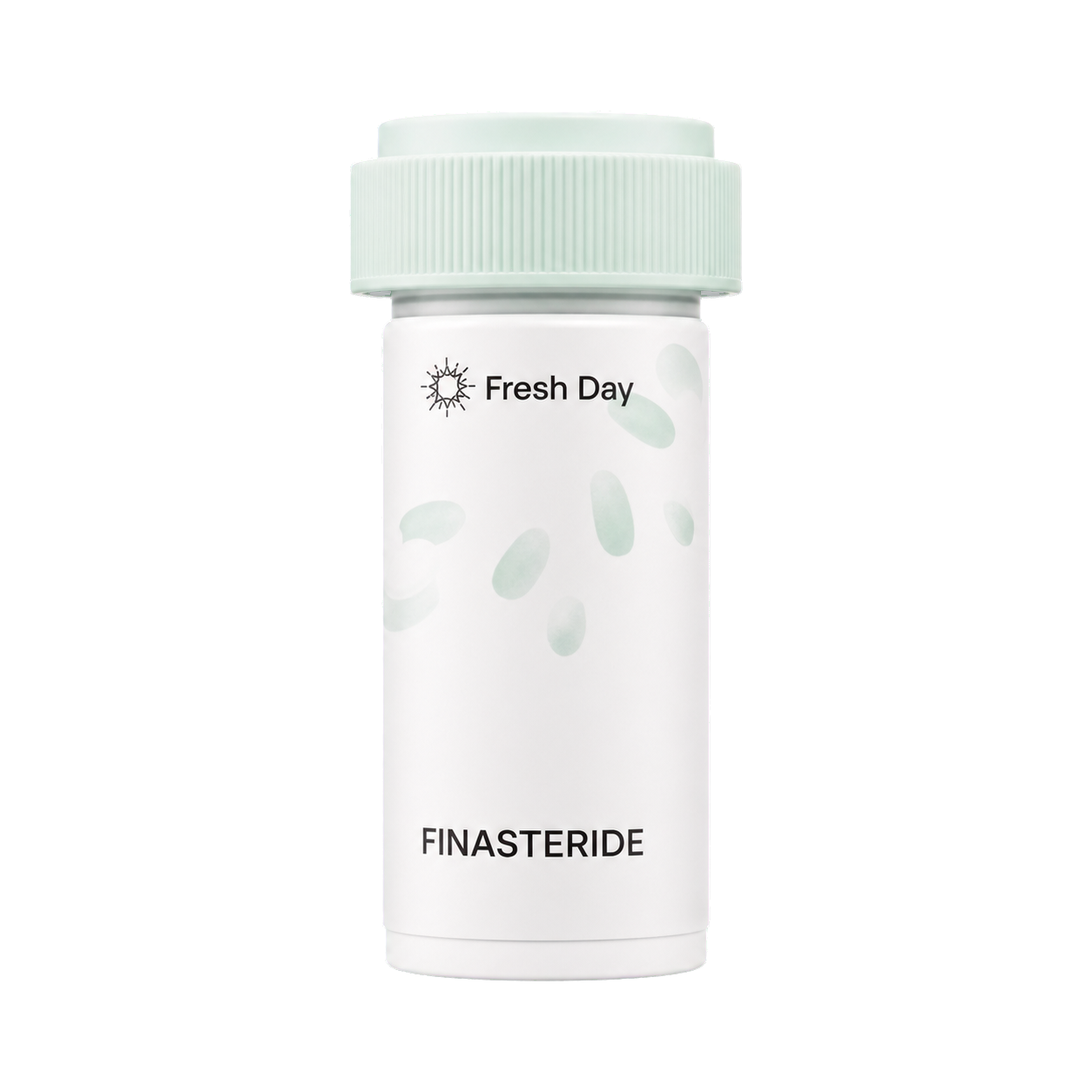
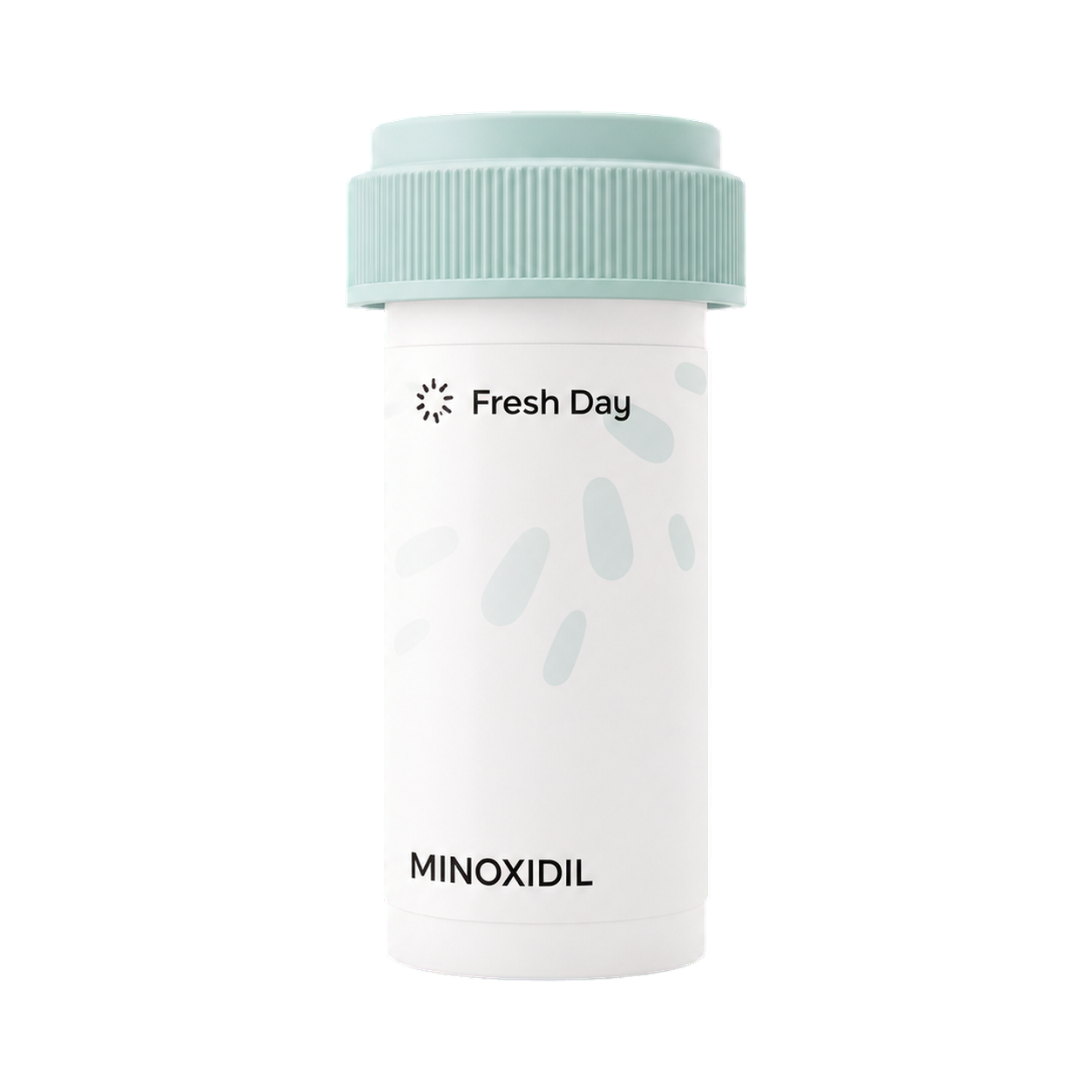
Regardless of the specific cut, incorporating volume and texture into your style can be your best friend. Flat, sleek hair tends to highlight thinning. Products like thickening sprays or mousses can give your hair more body, making it appear fuller and healthier. Your hair health journey can be supported by products like finasteride and minoxidil, which are designed to nourish follicles and encourage regrowth.
6. Grow It Out (Carefully):
If you prefer longer hair, ensure you're caring for it diligently. Avoid tight styles and excessive heat. Consider a layered cut that allows for movement and volume, which can soften the appearance of a receding hairline. Remember to use gentle hair care products and nourish your scalp.
Beyond Styling: Supporting Your Hair Health Journey
While styling can make a significant difference, addressing the root causes of hair loss is essential for lasting vitality. Fresh Day Meds is here to support you with science-backed solutions. If you're experiencing hair loss, consulting with a healthcare professional can provide clarity and help you explore options like:
- Finasteride: An oral medication that helps reduce DHT, a hormone linked to male pattern baldness, effectively slowing down hair loss and promoting regrowth.
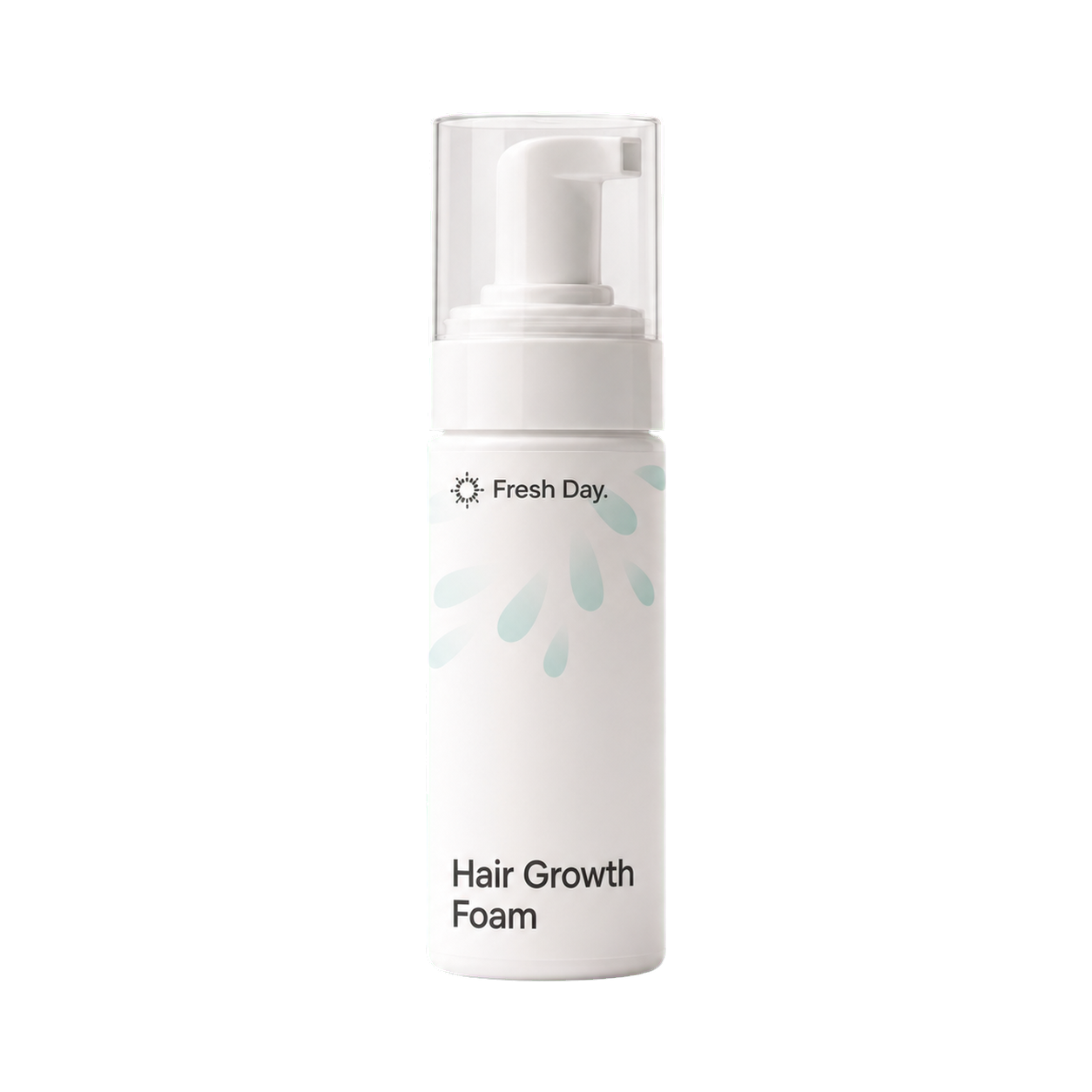
- Minoxidil: A topical treatment that stimulates hair follicles, encouraging new growth and thickening existing hair.
These treatments, when used consistently, embody the power of small steps that lead to meaningful transformation. Consult today, new you tomorrow.
Every sunrise is a chance to start over. Don't let hair concerns dim your day. With the right knowledge, styling techniques, and supportive treatments, you can embrace a fresh look and feel confident in your own skin. It's a fresh day, for a new you!