

Every day is a fresh opportunity for renewal, even when faced with health challenges. For individuals living with Lupus, an autoimmune condition, the journey can sometimes bring unexpected concerns, including changes to hair health. Understanding the connection between Lupus and hair loss is a vital step towards finding clarity and embracing solutions that support your well-being and confidence.
Lupus, or Systemic Lupus Erythematosus (SLE), is a chronic autoimmune disease where the body's immune system mistakenly attacks its own healthy tissues. This widespread inflammation can affect various organs, including the skin and hair follicles, leading to different forms of hair loss. At Fresh Day Meds, we believe in providing supportive, never overwhelming, guidance as you navigate these complexities.
How Lupus Can Affect Your Hair
Lupus can manifest in several ways that contribute to hair loss, making it a common symptom for many individuals with the condition.
Diffuse Hair Thinning (Non-Scarring Alopecia)
This is the most common type of hair loss seen in Lupus and is often described as a general thinning of the hair. It's usually non-scarring, meaning the hair follicles are not permanently damaged, and hair can often regrow once the underlying lupus activity is controlled. This thinning can be caused by:
- Inflammation: The widespread inflammation characteristic of lupus can interfere with the normal hair growth cycle, pushing more follicles into the resting (telogen) phase.
- Medications: Some medications used to treat lupus, such as immunosuppressants, can also have hair thinning as a side effect.
- Nutritional Deficiencies: Lupus can sometimes affect nutrient absorption, leading to deficiencies (like iron or vitamin D) that are crucial for healthy hair growth.
"Lupus Hair"
Some individuals with lupus notice a specific type of hair change often called "lupus hair." This refers to fine, brittle, and fragile hair that breaks easily, particularly around the hairline. It may appear dull and lack its usual luster, making it feel less vibrant.
Discoid Lupus Erythematosus (DLE) and Scarring Alopecia
Discoid Lupus Erythematosus is a form of lupus that primarily affects the skin, often appearing as coin-shaped, red, scaly lesions. When these lesions occur on the scalp, they can cause a more severe and permanent type of hair loss known as scarring alopecia. The inflammation from DLE can destroy hair follicles, replacing them with scar tissue, preventing future hair growth in those areas. This can be particularly distressing, highlighting the importance of early diagnosis and management.
Seeking Clarity and Renewal for Your Hair Health
If you're experiencing hair loss and have been diagnosed with Lupus, or suspect you might have it, taking proactive steps is key to finding balance and renewal. Remember, every choice carries purpose, not decoration, especially when it comes to your health.
Consult with Your Healthcare Team
The first and most crucial step is to work closely with your rheumatologist and dermatologist. They can:
- Confirm the Cause: Determine if your hair loss is directly related to lupus activity, medication side effects, or other factors.
- Adjust Lupus Treatment: Optimizing your lupus treatment plan can often reduce inflammation and improve hair health.
- Manage DLE: Aggressive treatment of discoid lesions on the scalp is essential to prevent or minimize scarring and permanent hair loss.
Supportive Hair Care Practices
While medical treatment addresses the root cause, adopting a gentle and nourishing hair care routine can support your hair's resilience:
- Gentle Cleansing: Use mild, sulfate-free shampoos and conditioners to avoid stripping natural oils.
- Minimize Heat Styling: Excessive heat can further weaken fragile hair. Opt for air-drying when possible.
- Protective Styles: Avoid tight hairstyles that pull on the hair follicles.
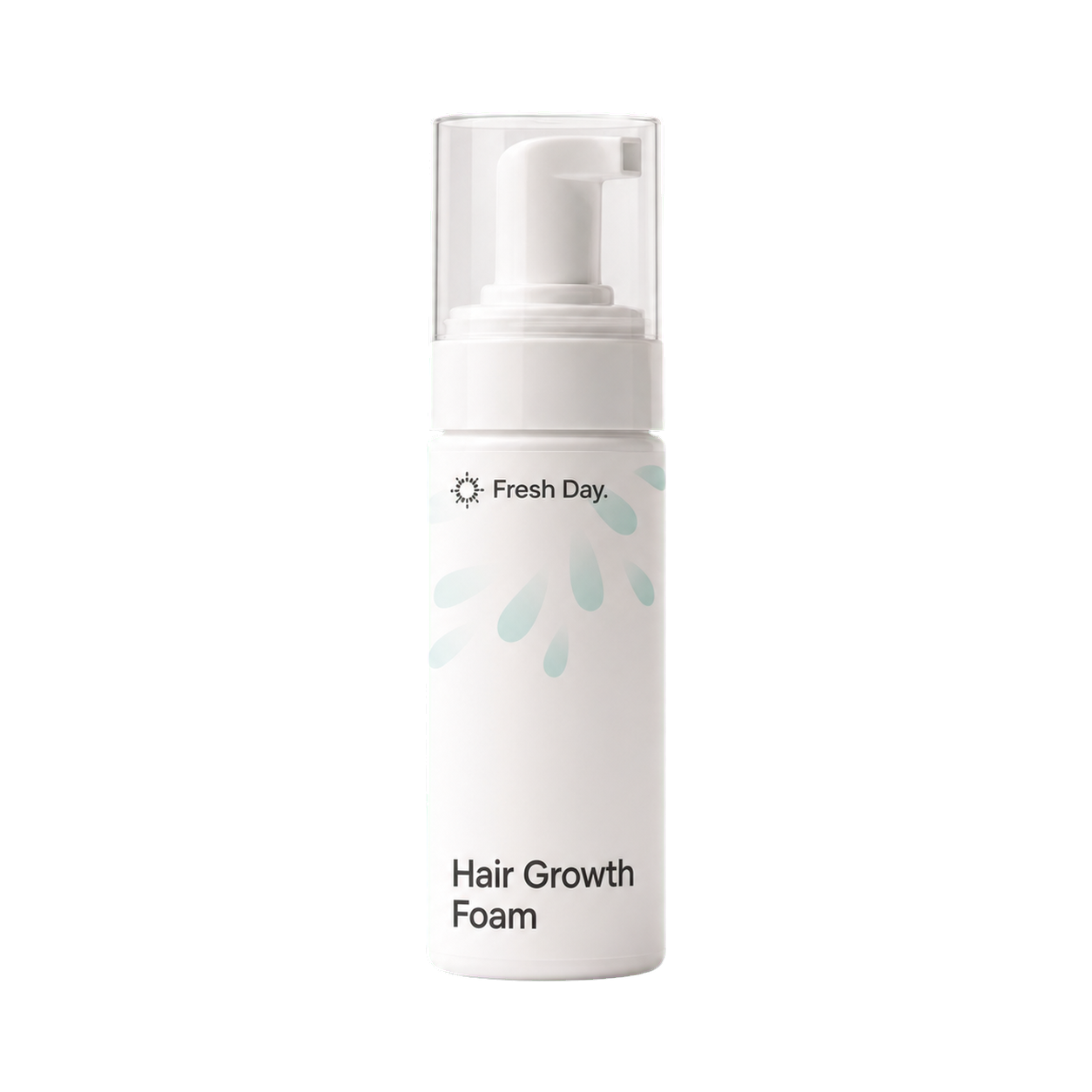
- Scalp Health: Maintain a healthy scalp environment. Though not directly related to lupus, products like Minoxidil can support hair regrowth in non-scarring alopecia by stimulating follicles.
Nutritional Support
Good nutrition is a cornerstone of overall wellness, and it plays a significant role in hair health. Discuss with your doctor or a dietitian if any specific deficiencies might be contributing to your hair loss. Ensuring adequate intake of:
- Iron: Essential for red blood cell production and oxygen delivery to hair follicles.
- Zinc: Supports hair tissue growth and repair.
- B Vitamins (especially Biotin): Play a role in healthy cell metabolism.
- Vitamin D: Important for hair follicle cycling.
Embrace Progress, Not Perfection
The journey with lupus and hair loss can be challenging, but focusing on progress, even small steps, leads to meaningful transformation. Fresh Day Meds is here to offer simple, accessible, and inspiring solutions for hair health. We understand that managing hair loss is part of a larger plan to feel like your best self.
Whether you're exploring treatments for existing hair loss, seeking to protect your hair during lupus flares, or simply looking for ways to feel more confident, we're your supportive partner. Consult today, new you tomorrow. Let's work together for a fresh start, renewed confidence, and lasting vitality.