

Starting a journey with antidepressants is a brave step towards a fresh start in managing your mental health. These medications can be truly life-changing, offering renewal and balance when you're facing challenges like anxiety or depression. However, for many, the path to feeling better can sometimes come with unexpected detours, particularly concerning sexual wellness. It's common to experience sexual side effects from antidepressants, and if you're seeking clarity on how to navigate this, you've come to the right place.
At Fresh Day Meds, we believe in a supportive and encouraging approach, focusing on progress and embodying the power of small steps that lead to meaningful transformation. Understanding and addressing antidepressant sexual side effects is a vital part of your holistic well-being.
The Common Connection: Antidepressants and Sexual Side Effects
Antidepressants, particularly Selective Serotonin Reuptake Inhibitors (SSRIs) like Prozac (fluoxetine), Zoloft (sertraline), Lexapro (escitalopram), and Paxil (paroxetine), are known to affect sexual function. While these medications work wonders by increasing serotonin levels in the brain to improve mood, this same mechanism can sometimes interfere with the complex neurochemical processes involved in sexual response.
Common sexual side effects can include:
- Decreased Libido: A reduced desire for sexual activity.
- Difficulty Achieving Orgasm: Known as anorgasmia, or delayed orgasm.
- Erectile Dysfunction (ED): For men, trouble getting or maintaining an erection.
- Vaginal Dryness or Reduced Arousal: For women, difficulty with lubrication or feeling aroused.
- Reduced Sensation: A general blunting of sexual pleasure.
It's important to remember that these side effects are common and don't indicate a personal failing. They are a physiological response to the medication, and there are often supportive strategies available to help you reclaim your intimacy and vitality.
Your Path to Renewal: Strategies for Managing Side Effects
Finding solutions often requires open communication with your healthcare provider and a willingness to explore different options. Here are some progress-oriented steps you can take:
1. Open Communication with Your Healthcare Provider
This is the most crucial step. Don't hesitate to discuss any sexual side effects you're experiencing with your doctor. Remember, they are there to support your overall health. Be honest and specific about what you're noticing. Your doctor can help you explore solutions, which might include:
- Adjusting Dosage: Sometimes, a lower dose might alleviate side effects while still being effective for your mental health.
- Switching Medications: Not all antidepressants have the same impact on sexual function. Your doctor might suggest trying an antidepressant with a different mechanism of action, such as bupropion (Wellbutrin), which is less likely to cause sexual side effects.
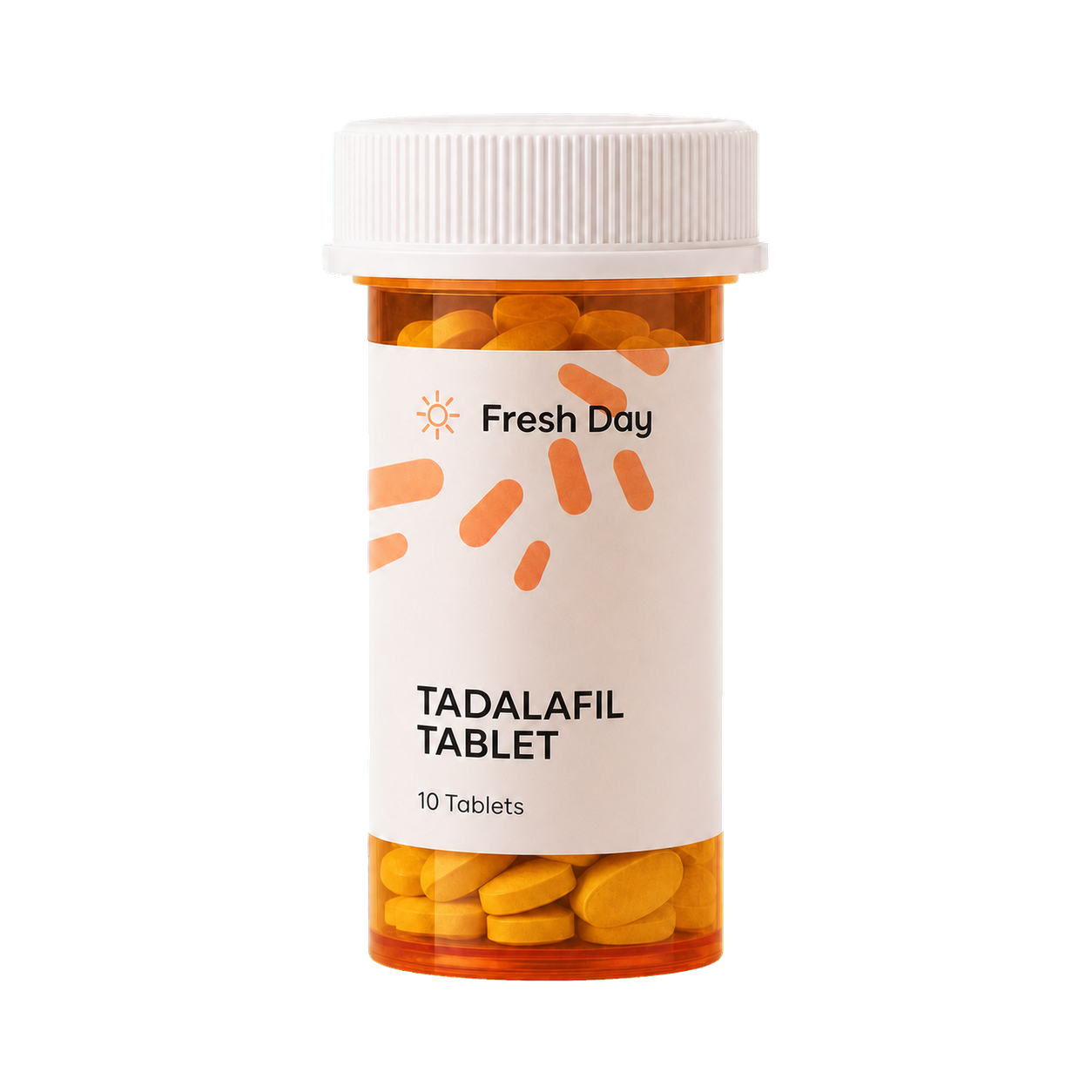
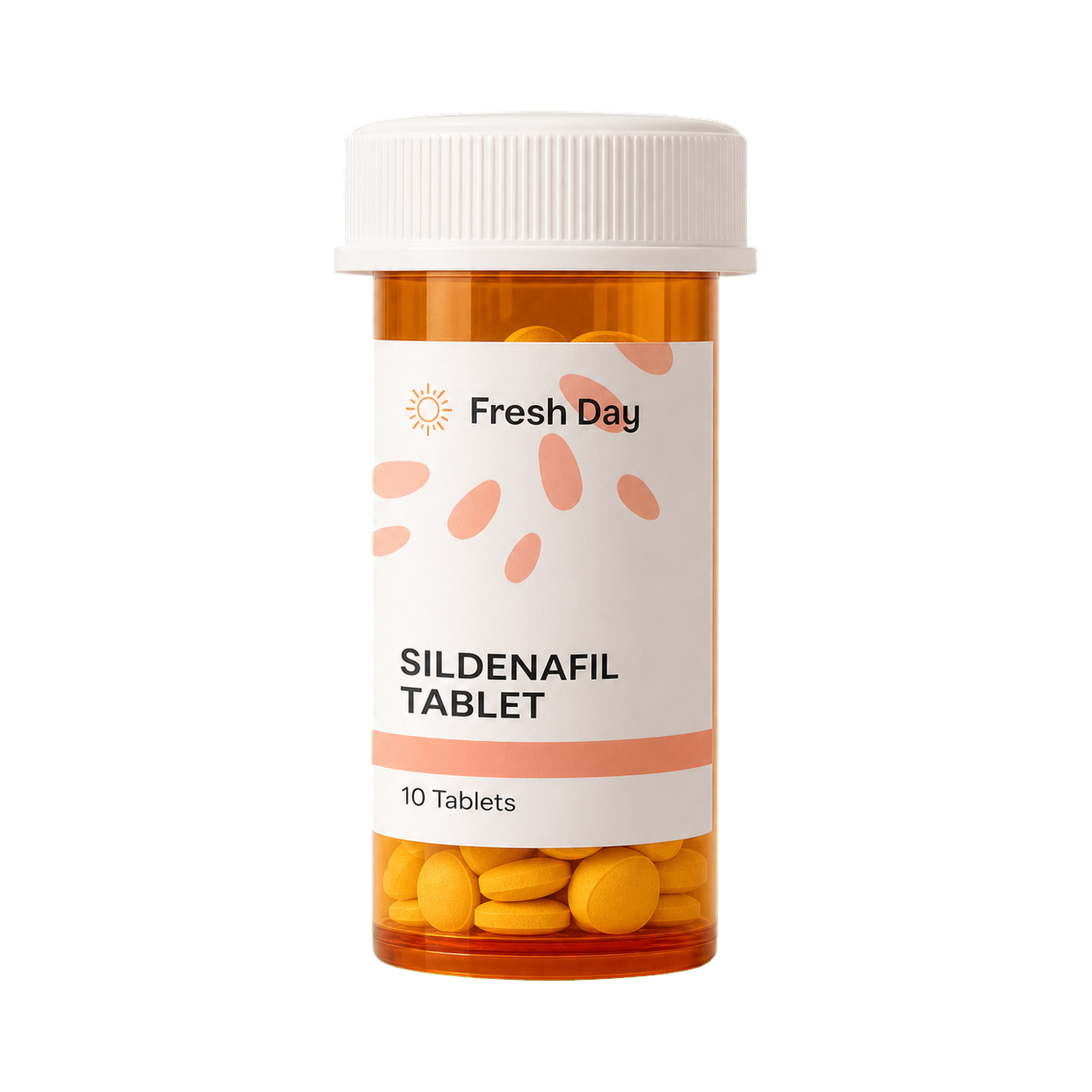
- Adding an Augmentation Medication: In some cases, your doctor might prescribe an additional medication to counteract the sexual side effects. For men experiencing ED, medications like sildenafil (Viagra) or tadalafil (Cialis) can be highly effective when taken as directed by a healthcare professional.
- "Drug Holidays": Under strict medical supervision, your doctor might suggest temporarily stopping your antidepressant before planned sexual activity. This strategy is not suitable for everyone and must be managed carefully to avoid withdrawal symptoms or a relapse in mental health symptoms.
2. Embrace Lifestyle Adjustments for Overall Wellness
Small, consistent daily wellness steps can significantly impact your mood and sexual vitality:
- Regular Exercise: Physical activity can improve mood, boost energy, and enhance blood flow, all of which can positively influence sexual function.
- Balanced Nutrition: A diet rich in fruits, vegetables, and whole grains supports overall health and energy levels.
- Stress Management: High stress levels can exacerbate sexual difficulties. Practices like mindfulness, meditation, or deep breathing can help cultivate calm.
- Adequate Sleep: Prioritizing restful sleep is fundamental for both mental and sexual well-being.
3. Focus on Communication and Connection in Your Relationship
If you're in a partnership, open and honest communication with your partner is vital. Sexual side effects can be frustrating for both individuals, but understanding and empathy can strengthen your bond. Discussing your feelings and concerns can help maintain intimacy, even if physical expressions change temporarily.
- Explore New Forms of Intimacy: Physical intimacy doesn't always have to be about intercourse. Explore other ways to connect and show affection.
- Schedule Intimacy: Sometimes, planning intimate moments can reduce performance pressure and make them more enjoyable.
4. Consider Therapeutic Support
Therapy, especially sex therapy or couples counseling, can provide a safe space to discuss challenges and develop strategies for rekindling intimacy. A therapist can help you navigate feelings of frustration, shame, or anxiety related to sexual dysfunction.
A Fresh Outlook on Intimacy
It's a fresh day, for a new you, and that includes reclaiming your sexual vitality and intimacy. Managing antidepressant sexual side effects is a journey that requires patience, self-compassion, and proactive steps. Remember, you don't have to navigate this alone. By working closely with your healthcare provider and embracing supportive lifestyle changes, you can find a path to renewal, balance, and lasting vitality in all aspects of your life. Start today with Fresh Day; consult today, new you tomorrow.