

Every new day brings a fresh opportunity for renewal, and if you're experiencing hair loss, that renewal can extend to your hair health. Losing hair can be a frustrating experience, but understanding your treatment options, like oral minoxidil, is a powerful first step towards reclaiming your confidence. At Fresh Day Meds, we believe in providing clarity and support on your journey to lasting vitality.
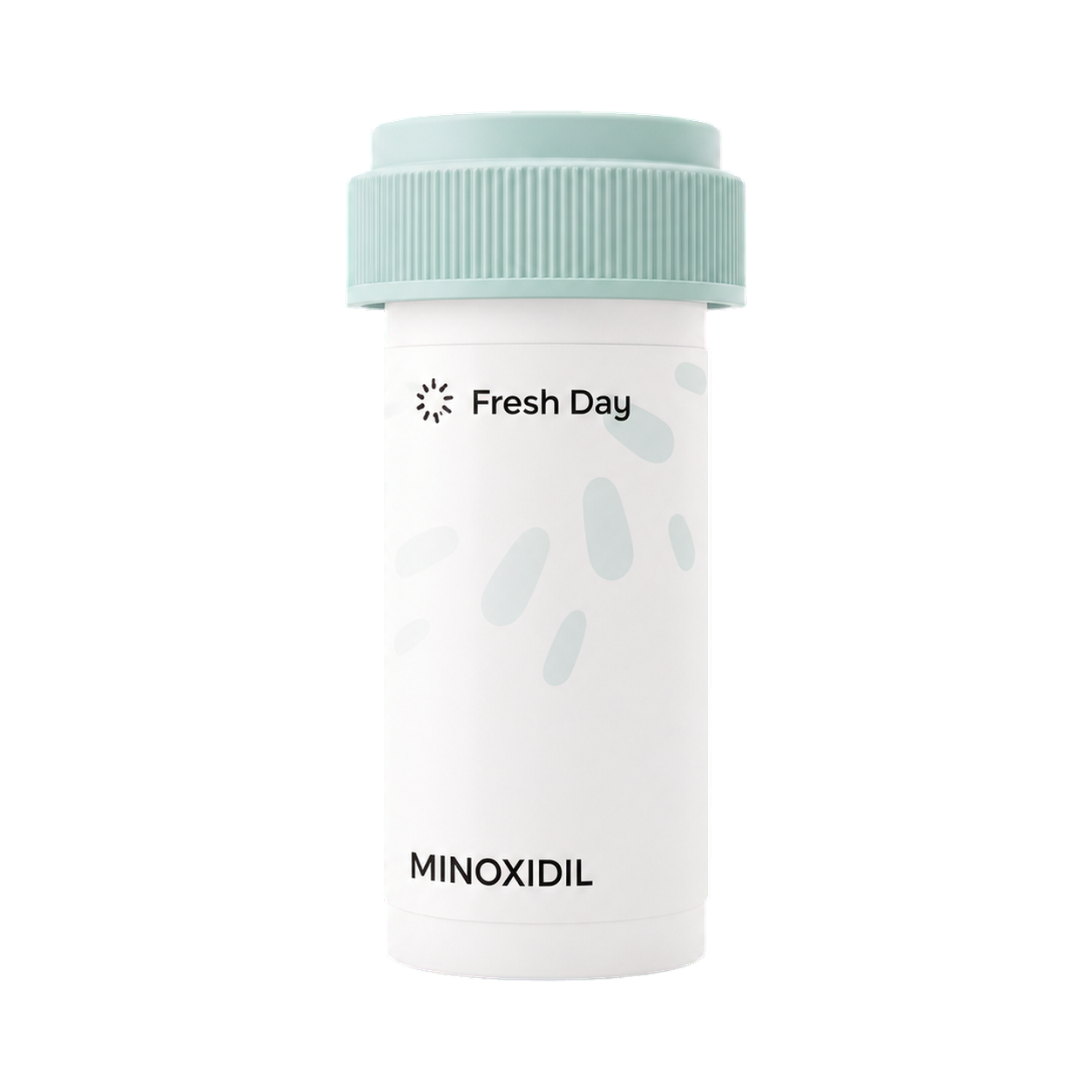
Minoxidil is a well-known name in the world of hair regrowth, historically recognized as a topical solution. However, oral minoxidil has emerged as an effective and convenient alternative for many. This guide will walk you through what oral minoxidil is, common dosages, and what to expect on your path to a fuller head of hair.
What is Oral Minoxidil and How Does It Work?
Minoxidil is a vasodilator, meaning it helps to widen blood vessels. When taken orally, it's thought to stimulate hair growth by improving blood flow to hair follicles, supplying them with more oxygen and nutrients. This increased circulation can help prolong the anagen (growth) phase of the hair cycle and even enlarge miniaturized hair follicles, leading to thicker, stronger hair.
Unlike its topical counterpart, which is applied directly to the scalp, oral minoxidil is a pill taken by mouth. This can be a simpler and less messy option for those who find topical applications inconvenient or irritating.
Understanding Oral Minoxidil Dosages
When it comes to medication, dosage is everything. It's about finding the right balance to maximize benefits while minimizing potential side effects. For hair loss, oral minoxidil is typically prescribed at much lower doses than what is used for its original purpose of treating high blood pressure. This lower dosage helps to target hair growth specifically while reducing the risk of systemic side effects.
Common Dosages for Hair Loss
Oral minoxidil for hair loss is often referred to as "low-dose oral minoxidil" (LDOM). The exact dosage will always be determined by a healthcare provider based on your individual needs and medical history, but common ranges include:
- For Men: Dosages typically range from 2.5 mg to 5 mg once daily.
- For Women: Dosages are generally lower, often starting at 0.625 mg to 1.25 mg once daily, and may go up to 2.5 mg if well-tolerated and necessary.
Starting with a lower dose and gradually increasing it allows your body to adjust and helps your healthcare provider monitor for any side effects. Remember, a fresh start begins with careful, professional guidance.
The Importance of Professional Consultation
Self-medicating with minoxidil, especially the oral form, is not recommended. A consultation with a healthcare professional is crucial. They can assess the underlying cause of your hair loss, determine if oral minoxidil is the right treatment for you, and prescribe the appropriate dosage. They will also consider any other medications you're taking and your overall health to ensure safety and effectiveness.
At Fresh Day Meds, we make accessing this professional guidance simple and accessible, helping you gain clarity in your health journey.
What to Expect on Your Journey to Hair Regrowth
Committing to a hair regrowth treatment is a journey, not a sprint. Consistency and patience are key. Here’s what you might experience:
Initial Shedding Phase
It's common to experience an initial shedding phase, often called "minoxidil shedding," within the first few weeks or months of starting treatment. This can be unsettling, but it's often a sign that the medication is working. Old, resting hairs are pushed out to make way for new, healthier hair growth. This phase is usually temporary and resolves within a few months.
Visible Results
Most people begin to see noticeable hair regrowth after 4 to 6 months of consistent use. Full results can take 12 months or even longer. Your journey to renewal is unique, and progress often comes in small, meaningful steps. Celebrate these small victories!
Potential Side Effects
While generally well-tolerated at low doses, oral minoxidil can have side effects. These may include:
- Hypertrichosis: Increased hair growth in unwanted areas, such as the face. This is often dose-dependent and can be managed by adjusting the dosage.
- Lightheadedness or Dizziness: Due to its blood pressure-lowering effects, though less common at low doses.
- Fluid retention: Swelling in the ankles or hands.
- Heart palpitations or chest pain: Rare, but important to report to your doctor immediately.
Your healthcare provider will discuss these potential side effects with you and help you monitor for them.
Combining Oral Minoxidil with Other Treatments
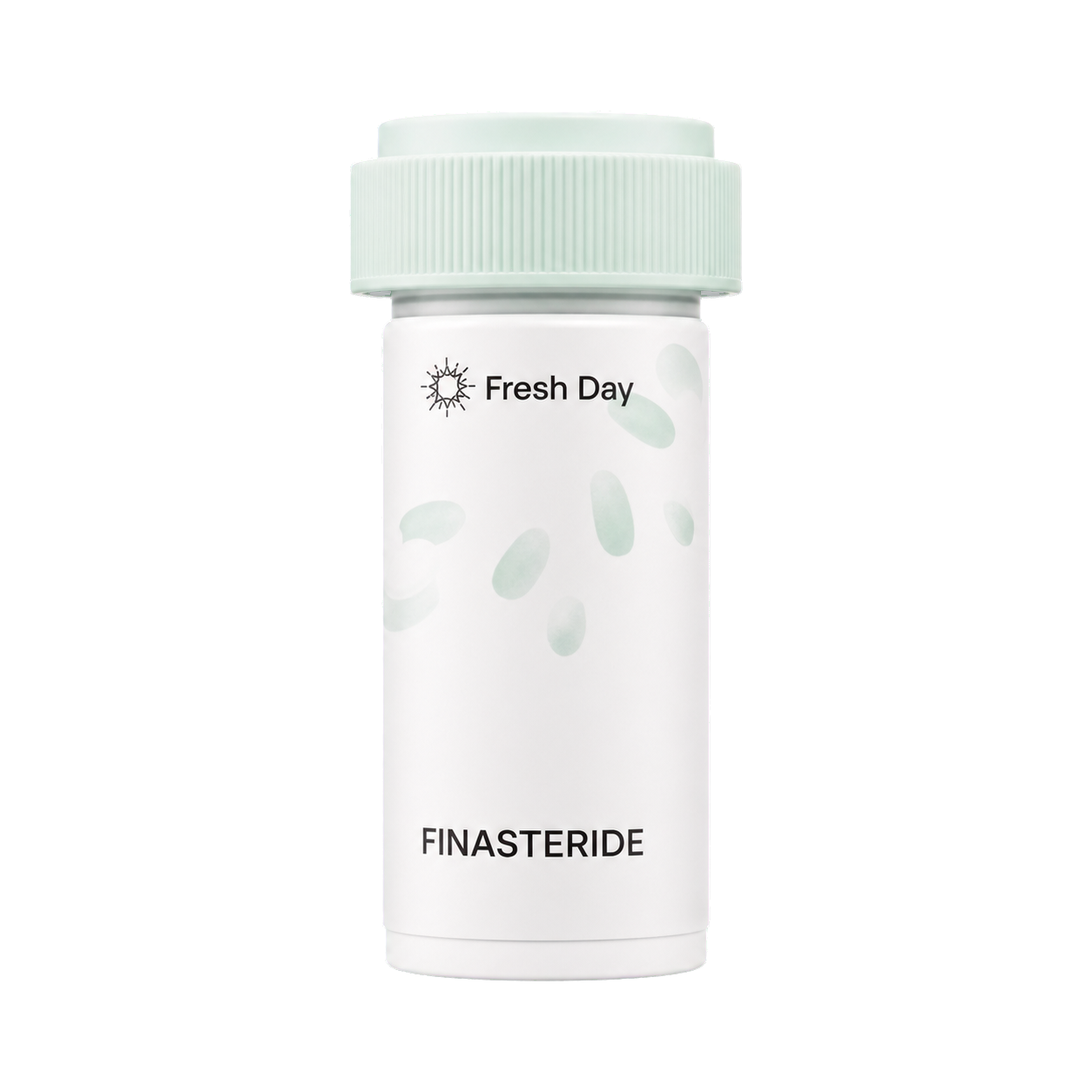
For many, a multi-faceted approach yields the best results. Oral minoxidil can often be used in conjunction with other hair loss treatments, such as finasteride. Finasteride works by blocking the production of dihydrotestosterone (DHT), a hormone that contributes to male pattern baldness, offering a complementary mechanism of action.
Discussing combination therapies with your healthcare provider can help tailor a treatment plan that offers you the most comprehensive path to hair renewal.
Embracing Your Journey to Fresh Hair Health
Starting a treatment like oral minoxidil is an act of optimism and a commitment to yourself. Every sunrise is a chance to start over, and with the right support, you can embrace a fresh day for a new you. Fresh Day Meds is here to provide the clarity, confidence, and care you need on your hair health journey. Consult today, new you tomorrow. Your path to revitalized hair health begins now.