


It’s a fresh day, and with it comes the opportunity for a new you. Often, when we think about overall wellness, certain aspects of our health might feel a little less clear or even a bit sensitive to discuss. Pelvic floor dysfunction in men is one such area, yet understanding it is a vital step toward renewal, balance, and lasting vitality. It’s a common issue, and addressing it can bring significant improvements to daily comfort and sexual wellness.
The pelvic floor is a group of muscles and tissues at the base of your pelvis, responsible for supporting your bladder, bowel, and sexual organs. When these muscles don't work as they should – whether they are too tight, too weak, or uncoordinated – it can lead to a range of challenging symptoms. But here's the encouraging news: with clarity and the right approach, you can take meaningful steps toward feeling better.
What Exactly is Pelvic Floor Dysfunction?
Think of your pelvic floor muscles as the foundation of your core. They play a crucial role in many bodily functions, from controlling urination and bowel movements to supporting sexual function. Pelvic floor dysfunction (PFD) occurs when these muscles aren't operating optimally. This isn't just a concern for women; men experience it too, though it's often underdiagnosed or misunderstood.
For men, PFD can manifest in various ways, sometimes quite subtly at first, making it feel like a puzzle to solve. But every puzzle has a solution, and understanding the pieces is the first step.
Common Causes of PFD in Men
Many factors can contribute to pelvic floor dysfunction. Knowing the potential causes can offer clarity and guide you toward effective solutions. It’s about understanding your body's story and how different events might have shaped your current experience.
Lifestyle and Habits
- Prolonged Sitting: Sedentary lifestyles can weaken or tighten pelvic floor muscles over time.
- Heavy Lifting: Improper lifting techniques can strain these muscles.
- Chronic Constipation or Straining: Repeated straining during bowel movements can weaken or overwork the pelvic floor.
- High-Impact Activities: Some sports can put excessive pressure on the pelvic floor.
Medical Conditions
- Prostate Issues: Conditions like prostatitis (inflammation of the prostate) or post-prostatectomy recovery can impact pelvic floor function.
- Nerve Damage: Injuries or conditions affecting nerves in the pelvic region can disrupt muscle control.
- Chronic Pain Syndromes: Conditions like chronic pelvic pain syndrome can involve pelvic floor muscle tension.
- Prior Surgeries: Abdominal or pelvic surgeries can sometimes affect the surrounding muscles and nerves.
Stress and Psychological Factors
Stress and anxiety can cause muscles throughout the body to tense up, and the pelvic floor is no exception. This chronic tension can lead to PFD symptoms, highlighting the powerful mind-body connection in our wellness journey. Focusing on daily wellness and stress management can be incredibly beneficial here.
Recognizing the Symptoms: A Path to Clarity
Recognizing the symptoms of PFD is the first step toward finding relief. They can range from mild discomfort to more significant challenges, impacting daily life and even intimacy. No symptom is too small to address when it comes to your well-being.
Urinary Symptoms
- Frequent Urination: Needing to go to the bathroom more often than usual.
- Urgency: A sudden, strong urge to urinate, sometimes leading to leakage.
- Difficulty Starting or Stopping Urination: A hesitant stream or feeling like you can't fully empty your bladder.
- Painful Urination: Discomfort during urination.
Bowel Symptoms
- Constipation: Difficulty passing stools or incomplete evacuation.
- Fecal Leakage: Accidental loss of stool.
- Rectal Pain: Discomfort in the rectal area.
Sexual Symptoms
- Erectile Dysfunction (ED): Difficulty achieving or maintaining an erection. The pelvic floor muscles play a key role in supporting erections, so dysfunction here can certainly impact sexual wellness.
- Pain During or After Sex: Discomfort during intercourse or ejaculation.
- Premature Ejaculation: In some cases, tight pelvic floor muscles can contribute to this.
- Reduced Sexual Sensation: A decrease in pleasure or feeling during sexual activity.
General Pelvic Pain
- Pain in the Lower Abdomen, Groin, or Perineum: A persistent ache or sharp pain.
- Pain with Sitting: Discomfort that worsens when sitting for extended periods.
If any of these sound familiar, remember, you're not alone, and there are supportive paths to finding relief and renewal.
Your Path to Renewal: Treatment Options for PFD
The good news is that pelvic floor dysfunction is highly treatable. The key is a focused and personalized approach, often involving a combination of therapies. It's about empowering you with the tools to reclaim your comfort and vitality.
Pelvic Floor Physical Therapy
This is often the cornerstone of PFD treatment. A specialized physical therapist can assess your pelvic floor muscles to determine if they are too tight, too weak, or uncoordinated. They will then develop a tailored program that may include:
- Manual Therapy: Techniques to release tension in tight muscles.
- Biofeedback: Using sensors to help you learn to identify and control your pelvic floor muscles.
- Exercises: Specific stretches and strengthening exercises (like Kegels, but often with careful guidance as incorrect technique can worsen symptoms).
- Education: Learning about proper posture, body mechanics, and lifestyle modifications.
Lifestyle Adjustments
Small steps can lead to meaningful transformation. Incorporating these changes into your daily routine can make a big difference:
- Dietary Changes: Increasing fiber and water intake to prevent constipation.
- Regular, Gentle Exercise: Activities like walking, swimming, or yoga can support overall pelvic health.
- Stress Management: Practicing mindfulness, meditation, or deep breathing techniques to reduce muscle tension.
- Proper Urination and Defecation Habits: Avoiding straining and not rushing.
Medications
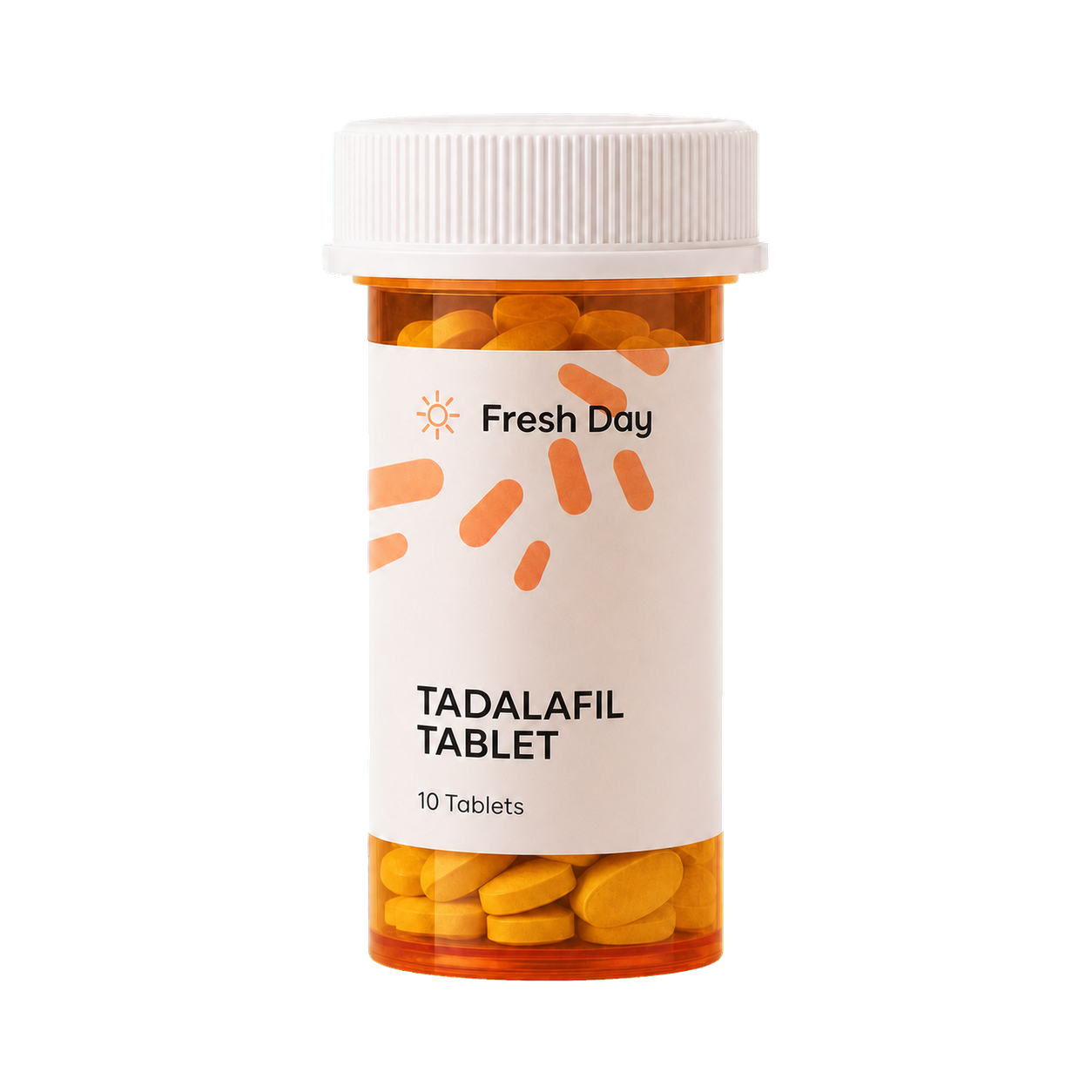
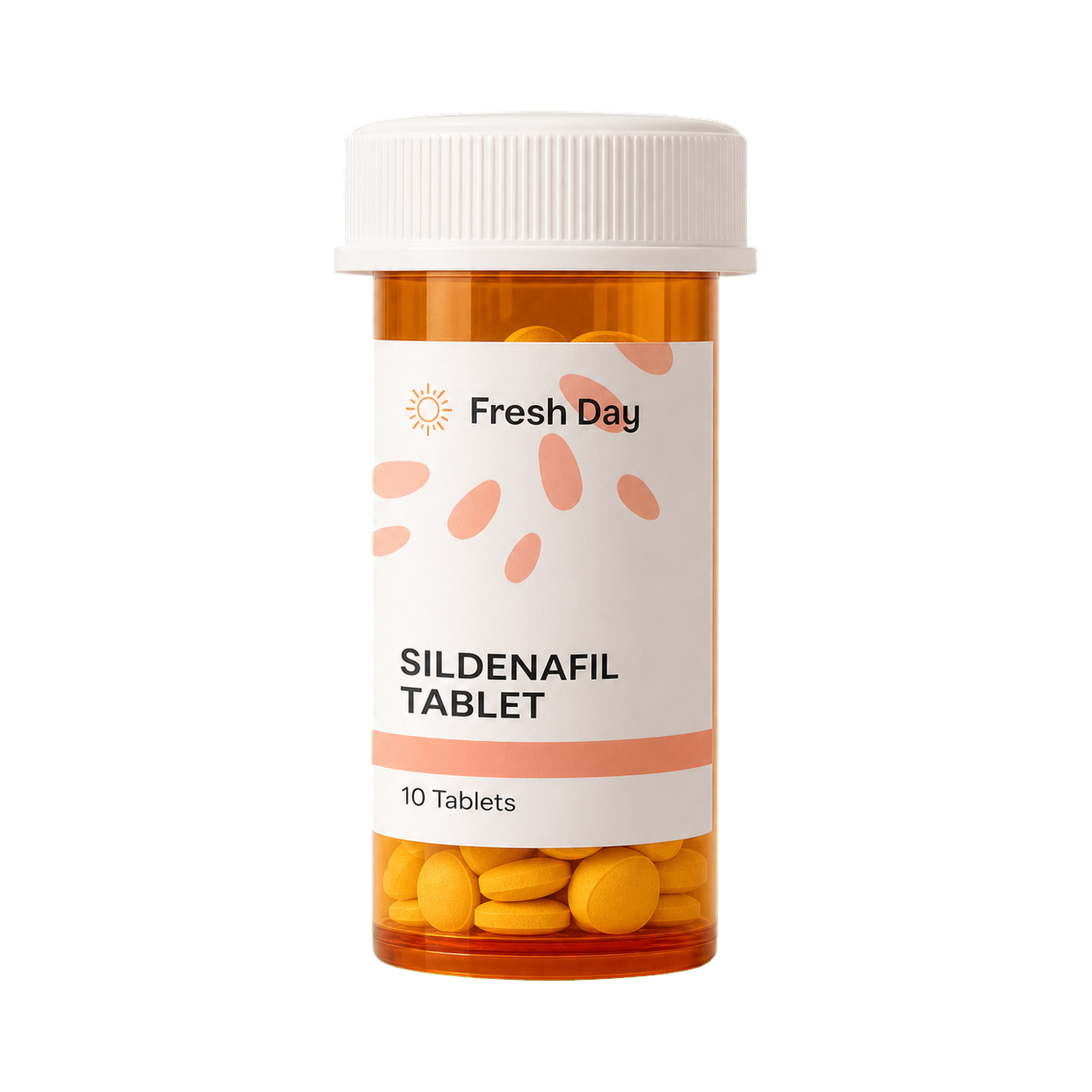
In some cases, your healthcare provider might recommend medications to manage specific symptoms, such as muscle relaxants for severe tension or stool softeners for chronic constipation. For sexual wellness concerns like ED related to PFD, treatments like sildenafil or tadalafil might be considered in conjunction with pelvic floor therapy to support your journey back to intimacy.
Other Therapies
- Trigger Point Injections: For localized pain from muscle knots.
- Nerve Blocks: To reduce severe nerve pain.
Taking the First Step: Consult Today, New You Tomorrow
Living with pelvic floor dysfunction can be frustrating, but it doesn't have to be your lasting reality. Every sunrise is a chance to start over, and today can be the day you begin your journey toward renewal and balance. Seeking clarity from a healthcare professional specializing in pelvic health is the most important step.
At Fresh Day Meds, we believe in a supportive and encouraging approach to your health journey. We focus on progress, offering accessible solutions that empower you to take small, meaningful steps toward lasting vitality. If you're experiencing symptoms of pelvic floor dysfunction, don't wait. Consult today, and embrace the promise of a brighter tomorrow. It's a Fresh Day, For A New You.