

Every new day brings a chance for renewal, and that includes the health of your scalp. A healthy scalp is the foundation for healthy hair, and when inflammation strikes, it can disrupt this delicate balance, sometimes even leading to hair loss. But there's good news: understanding the causes and exploring effective treatments can set you on a path to a fresh, revitalized scalp and renewed confidence.
At Fresh Day Meds, we believe in empowering you with clarity and supportive solutions. Let's delve into the world of scalp inflammation, explore why it happens, and discover how you can nurture your scalp back to its optimal state.
What is Scalp Inflammation?
Scalp inflammation, medically known as dermatitis or folliculitis, is essentially your body's immune response to irritation, infection, or an underlying condition affecting your scalp. It can manifest in various ways, from subtle redness and itching to more pronounced flaking, pain, and even visible sores.
When your scalp is inflamed, the delicate environment that supports hair follicles becomes compromised. This can make it harder for hair to grow, weaken existing strands, and, in some cases, lead to increased hair shedding and loss.
Common Signs of an Inflamed Scalp
Recognizing the signs is the first step toward finding a solution. Look out for:
- Itching: Persistent and often intense itchiness.
- Redness: Patches of inflamed, red skin on the scalp.
- Flaking: Dandruff-like flakes, which can range from small and white to large and oily.
- Tenderness or Pain: Sensitivity to touch or a general achy feeling.
- Bumps or Sores: Small pustules, pimples, or crusty areas.
- Hair Thinning or Loss: Noticeable reduction in hair density, often localized to inflamed areas.
Why Does Scalp Inflammation Happen? Understanding the Causes
Scalp inflammation isn't a one-size-fits-all issue; it stems from a variety of factors. Pinpointing the cause is crucial for effective treatment and lasting relief.
1. Seborrheic Dermatitis (Dandruff)
This is one of the most common culprits. While often thought of as just dandruff, seborrheic dermatitis is an inflammatory skin condition that causes red, scaly, itchy patches, primarily on the scalp. It's often linked to an overgrowth of a yeast called Malassezia, which naturally lives on the skin.
2. Psoriasis
Scalp psoriasis is an autoimmune condition where skin cells grow too quickly, leading to thick, silvery scales and red patches. It can be intensely itchy and, when severe, may cause temporary hair loss.
3. Folliculitis
This occurs when hair follicles become inflamed, usually due to a bacterial or fungal infection. It can look like small, red bumps or pus-filled pimples around the hair follicles.
4. Allergic Reactions (Contact Dermatitis)
Sometimes, your scalp reacts to products you're using. Shampoos, conditioners, hair dyes, gels, or even certain environmental irritants can trigger an allergic reaction, leading to redness, itching, and inflammation.
5. Fungal Infections (e.g., Ringworm)
Fungal infections like tinea capitis (ringworm of the scalp) can cause scaly, itchy, red patches, often accompanied by hair breakage and bald spots.
6. Autoimmune Conditions
Less commonly, systemic autoimmune diseases can manifest as scalp inflammation and contribute to hair loss.
7. Stress and Lifestyle Factors
While not a direct cause, chronic stress can exacerbate existing inflammatory conditions and weaken your immune system, making your scalp more vulnerable.
Treatments and Your Path to Renewal
The good news is that many forms of scalp inflammation are treatable, and addressing them can significantly improve your hair health. Your path to renewal will depend on the underlying cause, but here are some common approaches:
1. Medicated Shampoos and Topical Treatments
For conditions like seborrheic dermatitis or mild psoriasis, medicated shampoos containing ingredients like ketoconazole, salicylic acid, selenium sulfide, or coal tar can be highly effective. These work by reducing yeast overgrowth, slowing skin cell turnover, or calming inflammation. For specific types of folliculitis, topical antibiotics or antifungals might be prescribed.
2. Lifestyle Adjustments and Gentle Care
- Identify Triggers: If contact dermatitis is suspected, try to identify and eliminate the offending product.
- Gentle Hair Care: Avoid harsh chemicals, excessive heat styling, and tight hairstyles that can irritate the scalp.
- Wash Regularly: Keep your scalp clean, but don't over-wash, as this can strip natural oils.
- Stress Management: Incorporate stress-reducing practices like mindfulness or exercise into your daily routine.
3. Prescription Medications
For more severe or persistent cases, a healthcare professional might recommend prescription-strength topical corticosteroids to reduce inflammation, oral antifungals for fungal infections, or other systemic medications for autoimmune conditions like psoriasis.
4. Supporting Hair Regrowth
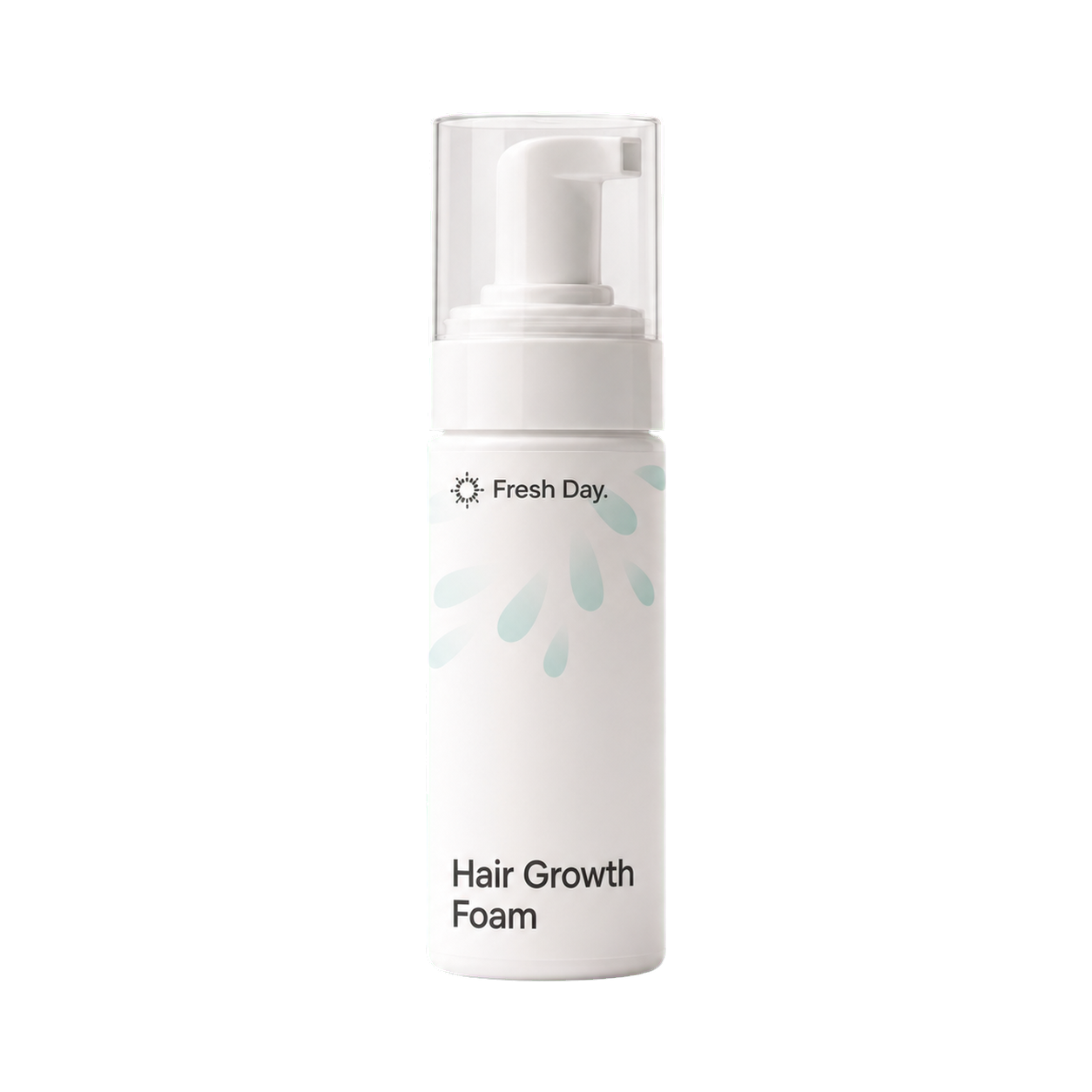
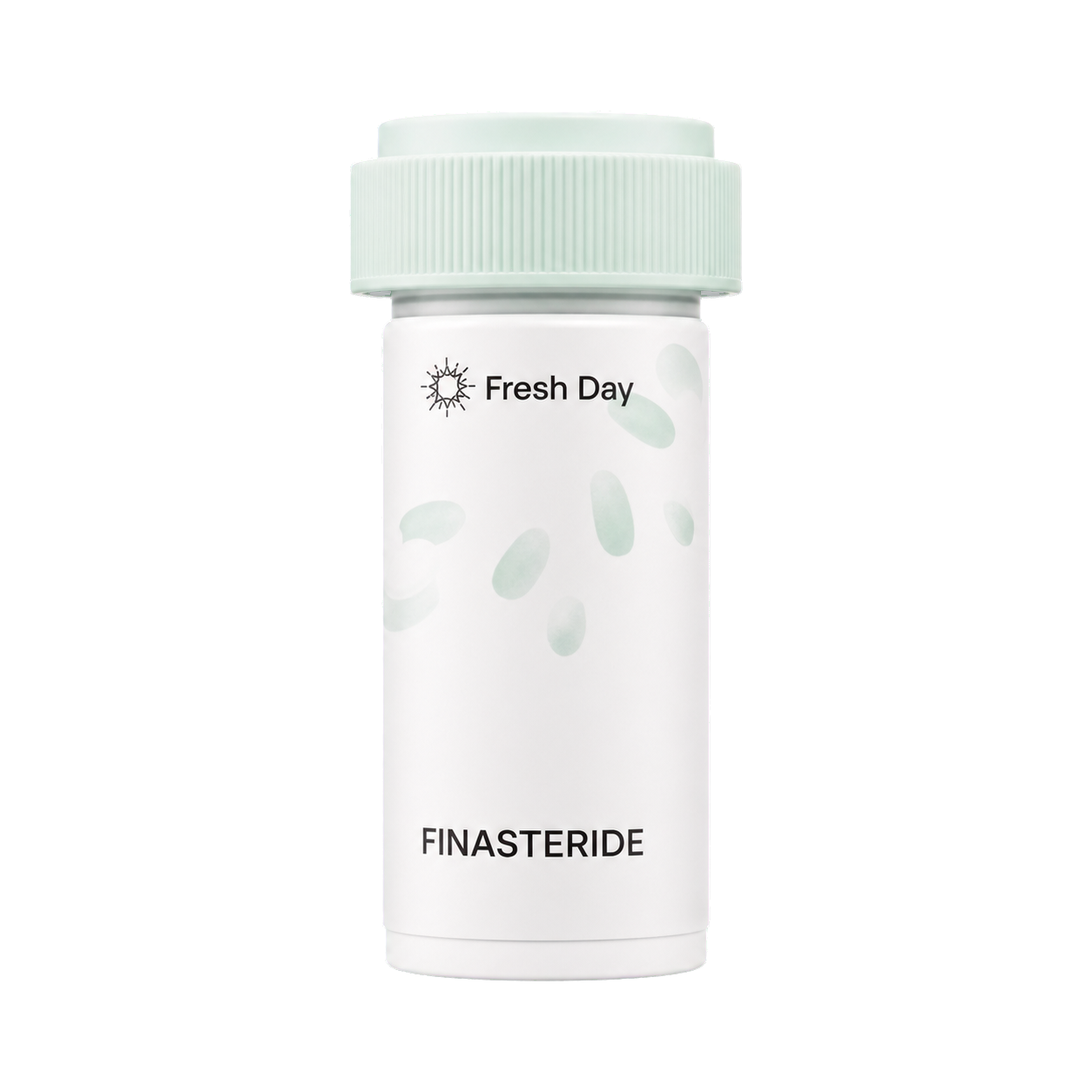
Once scalp inflammation is under control, your hair follicles can begin to recover. However, if hair loss has occurred, you might consider treatments to encourage regrowth. Products like Minoxidil, available in solutions or foams, can help stimulate hair follicles and promote new hair growth. For certain types of hair loss, other options like finasteride might be considered, as prescribed by a medical professional.
At Fresh Day Meds, we offer supportive solutions for hair health, including access to treatments like Finasteride and Minoxidil, designed to help you regain a fuller, healthier head of hair. Remember, starting today can lead to a new you tomorrow.
Consult Today, New You Tomorrow
If you're experiencing persistent scalp inflammation and hair loss, don't let it dim your fresh start. Consulting with a healthcare professional is key to getting an accurate diagnosis and a personalized treatment plan. They can help you understand the root cause and guide you toward the most effective solutions, whether it's through medicated treatments or strategies to support new hair growth.
Every sunrise is a chance to start over. Take that small step today towards nurturing your scalp and reclaiming your hair health. Your journey to renewal and lasting vitality begins now.