

Every new day brings an opportunity for renewal, but for many, a fresh start begins with a good night's sleep. When we don't get enough rest, it impacts more than just our energy levels; it can ripple through various aspects of our health, including sexual wellness. You might wonder, "Can lack of sleep really cause erectile dysfunction (ED)?" The answer is yes, there's a significant connection, and understanding it is the first step toward a more vibrant you.
At Fresh Day Meds, we believe in clarity and progress. We're here to help you understand these connections, offering supportive guidance without being overwhelming. Let's explore how sleep, or the lack thereof, can influence your sexual health and what you can do to reclaim your vitality.
The Vicious Cycle: Sleep Deprivation and ED
Erectile dysfunction is the inability to achieve or maintain an erection firm enough for satisfactory sexual intercourse. While many factors can contribute to ED, including physical conditions like heart disease and diabetes, or psychological issues like stress and anxiety, insufficient sleep often plays a crucial, yet overlooked, role.
Think of your body as a finely tuned machine that requires regular maintenance and recharging. Sleep is when much of this essential work happens. When you consistently cut short your sleep, you disrupt vital bodily processes that are key to sexual function.
How Sleep Impacts Your Hormones and ED
One of the most direct links between sleep and ED lies in hormone regulation, particularly testosterone. Testosterone is a primary male sex hormone, essential for libido, energy, muscle mass, and, yes, erectile function. Your body produces most of its daily testosterone during sleep, specifically during the deepest stages of rest.
When you're sleep-deprived, your testosterone levels can significantly drop. Studies have shown that men who consistently get less than five hours of sleep per night can experience a drop in testosterone levels equivalent to aging by 10 to 15 years. Lower testosterone can lead to decreased sex drive and difficulty achieving or maintaining erections.
The Role of Stress and Mood
Lack of sleep doesn't just affect your hormones; it also significantly impacts your mental and emotional well-being. Chronic sleep deprivation can lead to increased stress, anxiety, and even depression. These mental health challenges are well-known contributors to ED.
When you're stressed or anxious, your body releases cortisol, often called the "stress hormone." Elevated cortisol levels can interfere with testosterone production and blood flow, both critical for healthy erections. Additionally, feeling fatigued, irritable, or generally unwell due to poor sleep can diminish your desire for intimacy, creating a psychological barrier to sexual function.
Cardiovascular Health and Blood Flow
Sleep is also vital for maintaining cardiovascular health. Poor sleep habits can contribute to conditions like high blood blood pressure, obesity, and diabetes – all of which can damage blood vessels and impair blood flow throughout the body, including to the penis. Healthy blood flow is fundamental for achieving an erection, as it enables the penis to fill with blood.
By disrupting your cardiovascular system, chronic sleep deprivation indirectly yet powerfully contributes to ED. It's a reminder that all systems in your body are interconnected, and neglecting one can impact others.
Reclaiming Your Vitality: Steps for Better Sleep and Sexual Wellness
It's a fresh day, and a new you is within reach. Taking small, purposeful steps to improve your sleep can have a profound impact on your sexual health and overall vitality. Here's how you can start:
- Prioritize Sleep: Aim for 7-9 hours of quality sleep each night. Make sleep a non-negotiable part of your daily routine, just like eating and exercise.
- Create a Relaxing Bedtime Routine: Wind down before bed with activities like reading, taking a warm bath, or listening to calming music. Avoid screens (phones, tablets, TVs) at least an hour before sleep.
- Optimize Your Sleep Environment: Ensure your bedroom is dark, quiet, and cool. Consider blackout curtains, earplugs, or a white noise machine if needed.
- Limit Caffeine and Alcohol: Especially in the hours leading up to bedtime, as they can disrupt sleep cycles.
- Regular Exercise: Physical activity can improve sleep quality, but try to avoid intense workouts close to bedtime.
- Manage Stress: Incorporate stress-reducing practices into your day, such as mindfulness or meditation. Progressive muscle relaxation, for instance, can be a great tool for calming your body and mind before sleep.
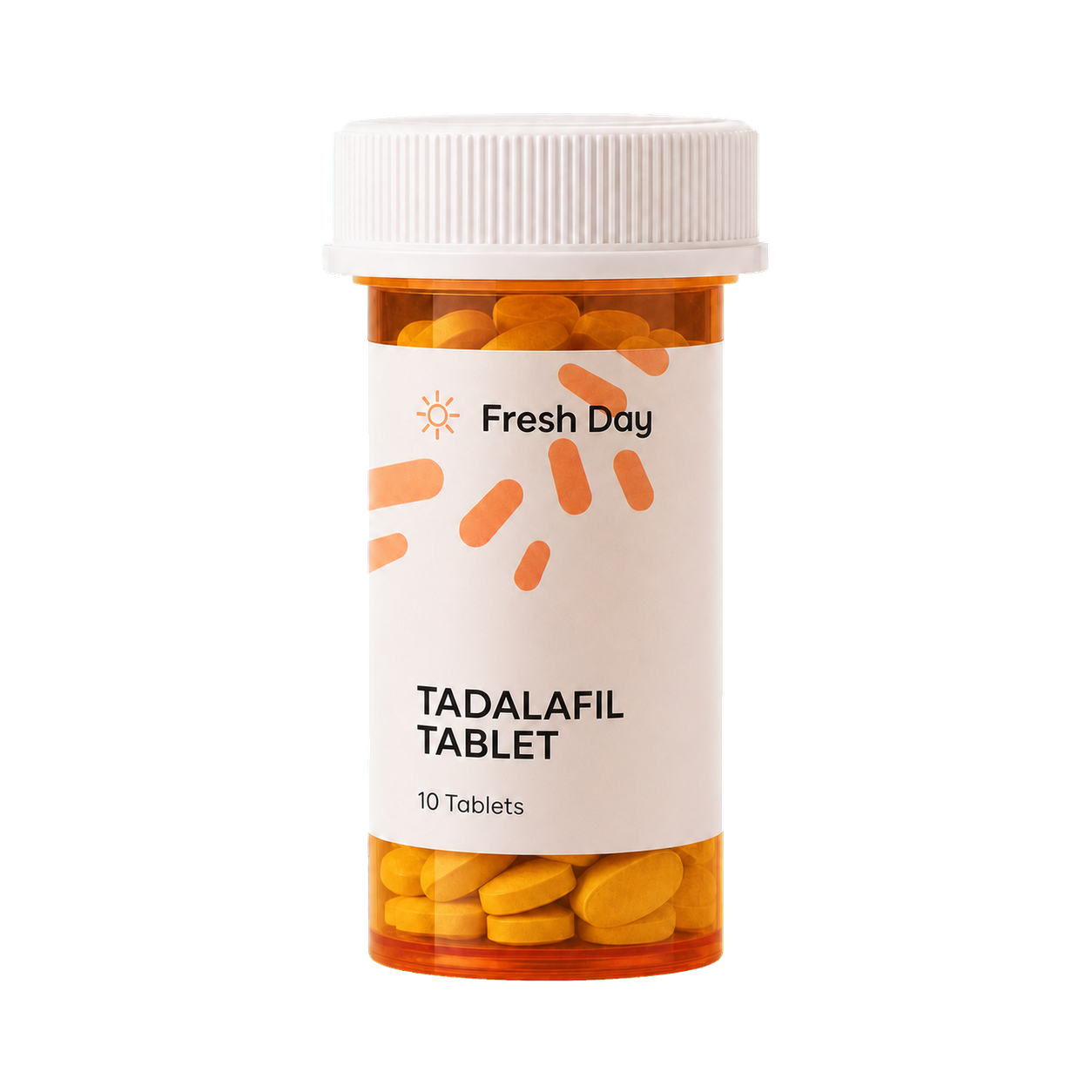
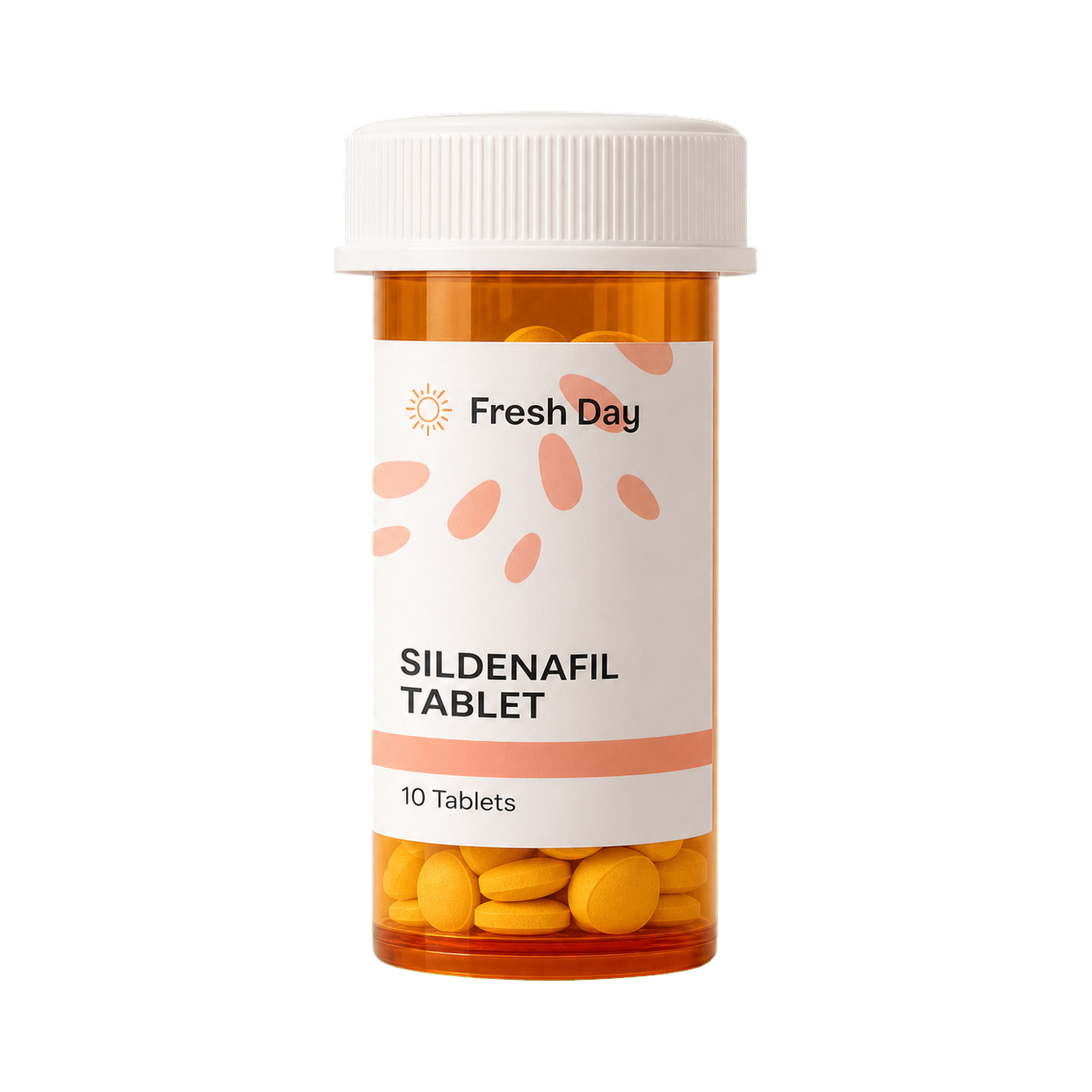
- Consult a Healthcare Professional: If you suspect sleep apnea or other sleep disorders, or if ED persists despite lifestyle changes, speak with a doctor. They can help identify underlying causes and recommend appropriate treatments, potentially including medications like sildenafil or tadalafil if suitable for your situation.
A Fresh Start for a New You
The journey to renewed sexual vitality often begins with renewed daily habits. By recognizing the critical link between sleep and erectile dysfunction, you're taking a powerful step toward clarity in your health journey. Every sunrise offers a chance to start over, and by making sleep a priority, you're investing in a brighter, more balanced, and more vital tomorrow.
Start today with Fresh Day Meds. Consult today, new you tomorrow.