







Every sunrise is a chance to start over, and that includes taking charge of your hair health. When you notice changes in your hair, it’s natural to seek clarity. Two of the most common forms of hair loss, Telogen Effluvium and Androgenetic Alopecia, can often be confusing. Understanding their differences is the first step toward finding the right path to renewal and vitality for your hair.
At Fresh Day Meds, we believe in making daily care simple, accessible, and inspiring. Let's demystify these conditions so you can approach your hair health journey with confidence and optimism.
What is Telogen Effluvium?
Imagine your hair growth cycle as a busy highway with three main phases: anagen (growth), catagen (transition), and telogen (resting). Telogen Effluvium (TE) is a temporary form of hair loss that occurs when a significant number of your hair follicles prematurely enter the resting (telogen) phase. This leads to increased shedding, often months after a trigger event.
Common Triggers for Telogen Effluvium
TE is typically linked to a stressful event or change that shocks your system. Think of it as your body temporarily diverting resources away from non-essential functions, like hair growth, to cope with a more pressing issue. Common triggers include:
- Significant Physical Stress: Surgery, chronic illness, severe injury, or rapid weight loss.
- Emotional Stress: High-stress periods, grief, or prolonged anxiety.
- Hormonal Shifts: Pregnancy, childbirth, thyroid imbalances, or starting/stopping hormonal birth control.
- Nutritional Deficiencies: Lack of essential vitamins and minerals like iron, zinc, or biotin.
- Medications: Certain drugs can trigger TE as a side effect.
- Fevers or Infections: Acute illnesses can sometimes lead to shedding.
How Telogen Effluvium Presents
With TE, you'll typically notice a sudden increase in hair shedding, often when washing or brushing your hair. This shedding is usually diffuse, meaning it affects the entire scalp rather than specific areas. While it can be alarming, the good news is that TE is generally reversible once the underlying cause is identified and addressed. Your hair cycle can reset, leading to regrowth and a fresh start for your strands.
Understanding Androgenetic Alopecia
Androgenetic Alopecia, more commonly known as male (or female) pattern baldness, is a chronic, progressive form of hair loss. Unlike TE, which is temporary and triggered by specific events, Androgenetic Alopecia is primarily genetic and hormonal.
The Role of Genetics and Hormones
This type of hair loss is driven by a combination of genetic predisposition and the action of androgens, specifically dihydrotestosterone (DHT). If you have a genetic sensitivity to DHT, this hormone can miniaturize hair follicles over time. This means the follicles shrink, producing progressively finer, shorter, and lighter hairs until they eventually stop producing hair altogether. This process isn't sudden; it unfolds gradually over years.
How Androgenetic Alopecia Presents
The pattern of hair loss in Androgenetic Alopecia is distinct:
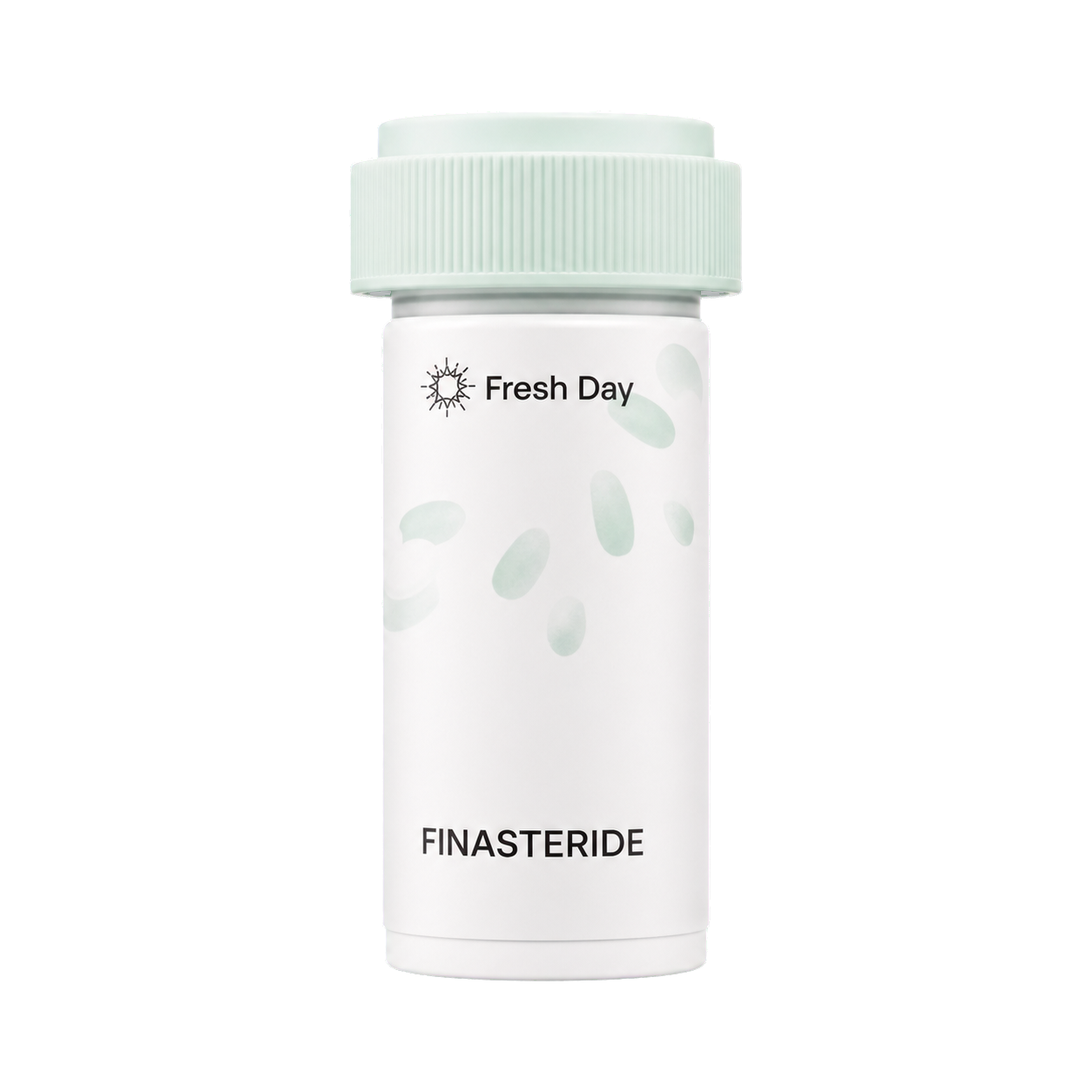
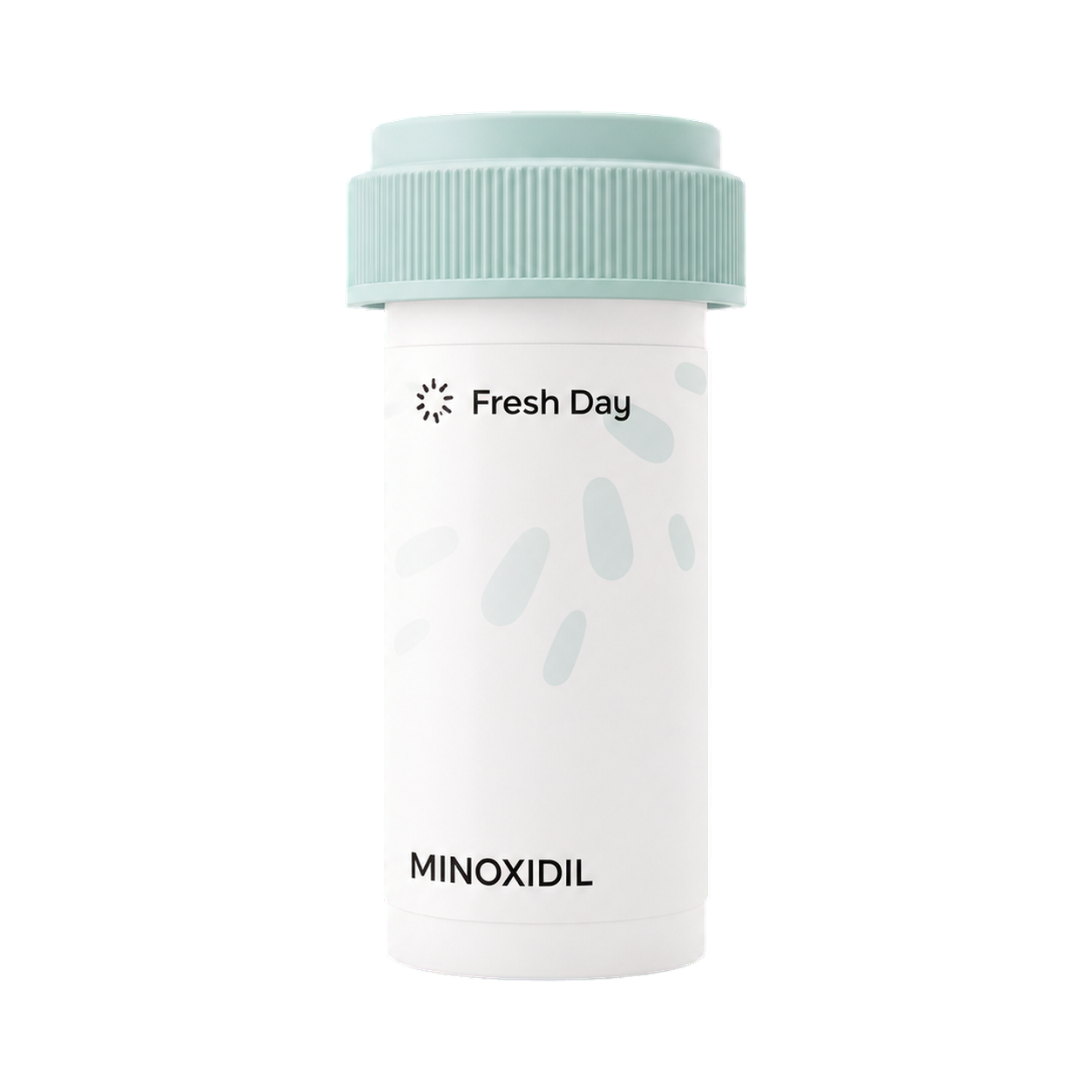
- In Men: It typically begins with a receding hairline and thinning at the crown, eventually progressing to a classic M-shaped pattern or complete baldness on top of the head. Products like Finasteride work by inhibiting the enzyme that converts testosterone to DHT, helping to slow or reverse this process. Minoxidil can also be used to promote hair growth by widening blood vessels and increasing blood flow to hair follicles.
- In Women: Hair thinning usually occurs diffusely over the top of the scalp, often widening along the part line, while the frontal hairline is typically preserved. Unlike men, complete baldness is rare in women with Androgenetic Alopecia.
Key Differences for Clarity
To help you find clarity, here’s a quick summary of the main distinctions between Telogen Effluvium and Androgenetic Alopecia:
| Feature | Telogen Effluvium | Androgenetic Alopecia | | :------------------ | :---------------------------------------------- | :----------------------------------------------- | | Cause | Stress, illness, medications, hormonal changes | Genetics and DHT (hormonal) | | Onset | Sudden, often 2-4 months after a trigger | Gradual, progressive over years | | Pattern | Diffuse thinning across the entire scalp | Patterned (receding hairline, crown thinning in men; widening part in women) | | Duration | Temporary (resolves once trigger is removed) | Chronic, progressive (requires ongoing management) | | Hair Follicles | Healthy, but in resting phase | Miniaturized by DHT |
Finding Your Path to Renewal and Balance
Understanding which type of hair loss you're experiencing is fundamental to effective treatment. If you suspect Telogen Effluvium, identifying and managing the underlying stressor is crucial. This might involve lifestyle adjustments, nutritional support, or addressing medical conditions. For Androgenetic Alopecia, long-term management strategies are often necessary.
At Fresh Day Meds, we're here to provide supportive, science-backed solutions. Whether it's through understanding the benefits of treatments like Finasteride and Minoxidil for patterned hair loss, or guiding you toward holistic daily wellness practices to support your overall health, we're focused on your progress.
Don't let uncertainty dim your shine. Consult today to gain clarity and start your journey towards a fresh, fuller you. Every step you take today is a meaningful transformation for tomorrow. It's a Fresh Day, For A New You!