




It’s a fresh day, and you deserve to feel your best, inside and out. Sometimes, when our bodies aren't quite in balance, it can show up in unexpected ways – like changes in our hair. If you’ve noticed your hair thinning, becoming brittle, or even falling out more than usual, and you're also experiencing other subtle shifts in your well-being, it might be time to consider the connection to your thyroid health. At Fresh Day Meds, we believe in seeking clarity and empowering you with knowledge to achieve lasting vitality.
Your thyroid, a small, butterfly-shaped gland located at the base of your neck, plays a surprisingly large role in regulating almost every system in your body. It produces hormones that control your metabolism, energy levels, and even the growth cycle of your hair. When this vital gland isn't functioning optimally, it can lead to a cascade of symptoms, and hair loss is often one of the most visible and distressing.
Understanding the link between thyroid dysfunction and hair loss is your first step towards renewal. It’s about recognizing the signals your body is sending and knowing that solutions are available to help you regain not just your hair, but your overall sense of balance and well-being.
The Thyroid-Hair Connection: Why It Matters
Your hair follicles are tiny powerhouses of activity, constantly growing, resting, and shedding in a natural cycle. Thyroid hormones are crucial regulators of this cycle. When your thyroid produces too much (hyperthyroidism) or too little (hypothyroidism) of these hormones, it can disrupt this delicate balance, leading to hair loss.
In both cases, the abnormal hormone levels can prematurely push hair follicles into the resting (telogen) phase, causing more hair to shed than usual. This diffused hair loss often affects the entire scalp rather than specific patches, making it feel like your hair is generally thinning.
Hypothyroidism and Hair Loss
When your thyroid is underactive, meaning it doesn't produce enough hormones, your body's processes slow down. This can lead to a range of symptoms, including fatigue, weight gain, sensitivity to cold, dry skin, and yes, hair loss. The hair loss associated with hypothyroidism is typically diffuse, meaning it affects the entire scalp rather than specific areas. Your hair might also become dry, coarse, and brittle.
Hyperthyroidism and Hair Loss
On the other hand, an overactive thyroid speeds up your body's functions. While less common, hyperthyroidism can also cause hair loss. In this case, the rapid metabolism can lead to a shortened hair growth cycle, causing hair to fall out more quickly. Other symptoms include unexpected weight loss, anxiety, tremors, and increased heart rate. The hair might also become fine and fragile.
Recognizing the Symptoms: Is Your Hair Trying to Tell You Something?
Hair loss related to thyroid issues often presents with other symptoms that signal an underlying imbalance. It’s rare for hair loss to be the only symptom of thyroid dysfunction. By paying attention to the bigger picture, you can find the clarity you need.
Common Hair Loss Symptoms Linked to Thyroid Imbalance:
- Diffuse Thinning: Hair loss is generally spread across the entire scalp, not just in patches.
- Brittle Hair: Your hair may feel dry, coarse, and break easily.
- Slow Regrowth: Even if you shed hair, it seems to take a long time for it to grow back, or it comes back thinner.
- Eyebrow Thinning: A less common but distinct sign, particularly the outer third of your eyebrows, can thin.
Other Accompanying Thyroid Symptoms:
- Fatigue and Low Energy: Feeling constantly tired, even after adequate rest.
- Weight Changes: Unexplained weight gain (hypothyroidism) or weight loss (hyperthyroidism).
- Mood Swings: Increased anxiety, depression, or irritability.
- Skin and Nail Changes: Dry skin, brittle nails.
- Temperature Sensitivity: Feeling unusually cold (hypothyroidism) or hot (hyperthyroidism).
- Changes in Bowel Movements: Constipation (hypothyroidism) or diarrhea (hyperthyroidism).
If you're noticing one or more of these symptoms alongside hair loss, it’s a clear sign to consult a healthcare professional. Remember, change doesn't start on Monday—it starts today.
Getting a Diagnosis: Your Path to Clarity
The good news is that thyroid-related hair loss is often reversible once the underlying thyroid condition is properly managed. The first step towards a fresh start is an accurate diagnosis.
Your doctor will likely start with a physical examination and discuss your symptoms and medical history. The definitive diagnosis, however, usually comes from blood tests that measure your thyroid hormone levels, specifically:
- Thyroid-Stimulating Hormone (TSH): This is often the first test, as TSH levels can indicate if your thyroid is over or underactive.
- Thyroxine (T4) and Triiodothyronine (T3): These tests measure the actual thyroid hormones in your blood.
- Thyroid Antibody Tests: Sometimes, autoimmune conditions like Hashimoto's (hypothyroidism) or Grave's disease (hyperthyroidism) are the cause, and these tests can identify specific antibodies.
Don't hesitate to advocate for yourself and ask for these tests if you suspect a thyroid issue. Early diagnosis means earlier relief and a quicker path to renewal.
Effective Treatments for Thyroid Hair Loss
Once diagnosed, managing your thyroid condition is key to addressing hair loss. The primary goal of treatment is to restore your thyroid hormone levels to normal. This often involves daily medication.
Treating Hypothyroidism
For an underactive thyroid, the most common treatment is a synthetic thyroid hormone medication, such as levothyroxine. This medication replaces the hormones your body isn't producing enough of. It's usually taken once a day, and your doctor will monitor your levels to adjust the dosage as needed. As your thyroid levels normalize, you’ll likely see an improvement in your energy, mood, and, importantly, your hair growth.
Treating Hyperthyroidism
For an overactive thyroid, treatment options vary and may include:
- Anti-thyroid medications: These drugs help reduce the amount of hormones your thyroid produces.
- Radioactive iodine therapy: This treatment destroys thyroid cells, reducing hormone production.
- Beta-blockers: These can help manage symptoms like rapid heart rate and tremors while other treatments take effect.
- Surgery: In some cases, part or all of the thyroid gland may be surgically removed.
As your hyperthyroidism is brought under control, your hair growth cycle should normalize, leading to reduced shedding and renewed hair growth.
Supportive Hair Health Strategies
While treating the underlying thyroid condition is paramount, there are also supportive strategies you can adopt to encourage hair health and regrowth:
- Nutrient-Rich Diet: Ensure your diet is rich in vitamins and minerals essential for hair growth, such as biotin, iron, zinc, and vitamins D and E. Consider a daily wellness supplement if your diet is lacking.
- Gentle Hair Care: Avoid harsh chemicals, excessive heat styling, and tight hairstyles that can put stress on your hair follicles.
- Stress Management: High stress levels can exacerbate hair loss. Incorporate mindfulness practices, meditation, or light exercise into your daily routine.
- Patience and Persistence: Hair growth is a slow process, often taking several months to show significant improvement after thyroid levels are balanced. Stay positive and consistent with your treatment plan.
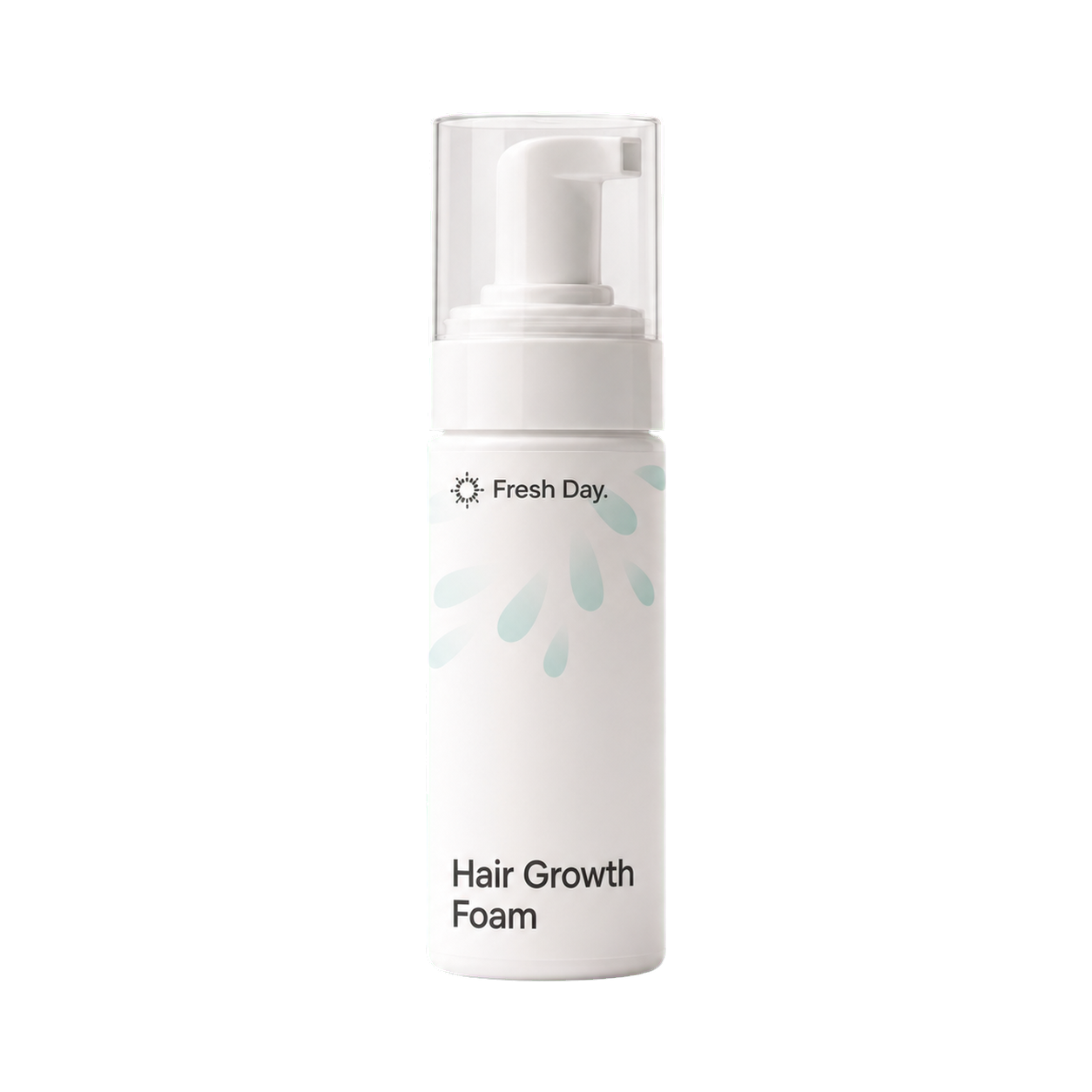
At Fresh Day Meds, we understand that hair loss can impact your confidence. We offer solutions for hair regrowth that can complement your overall health journey. Discussing options like Finasteride or Minoxidil with a healthcare professional can be part of your comprehensive plan to revitalize your locks and feel like yourself again.
Embrace Your Fresh Start
Discovering the cause of your hair loss is a significant step towards renewal. With proper diagnosis and treatment of your thyroid condition, combined with a supportive approach to hair care, you can look forward to a fresh start. Every sunrise is a chance to start over, and we're here to support your journey to balance, science-backed solutions, and lasting vitality. Consult today, New you tomorrow.