

Starting a journey to reclaim your hair health is a step towards a fresh, more confident you. When facing male pattern baldness, you’ve likely encountered finasteride as a leading solution. While oral finasteride is well-known, topical finasteride offers a targeted approach that many find appealing. It's natural to wonder about potential side effects when considering any new treatment, and we're here to provide clarity and support as you explore your options for renewed hair growth.
At Fresh Day Meds, we believe in arming you with clear, science-backed information. Let's dive into what you need to know about topical finasteride and its potential side effects, so you can make informed decisions on your path to thicker, fuller hair.
Understanding Topical Finasteride: A Targeted Approach
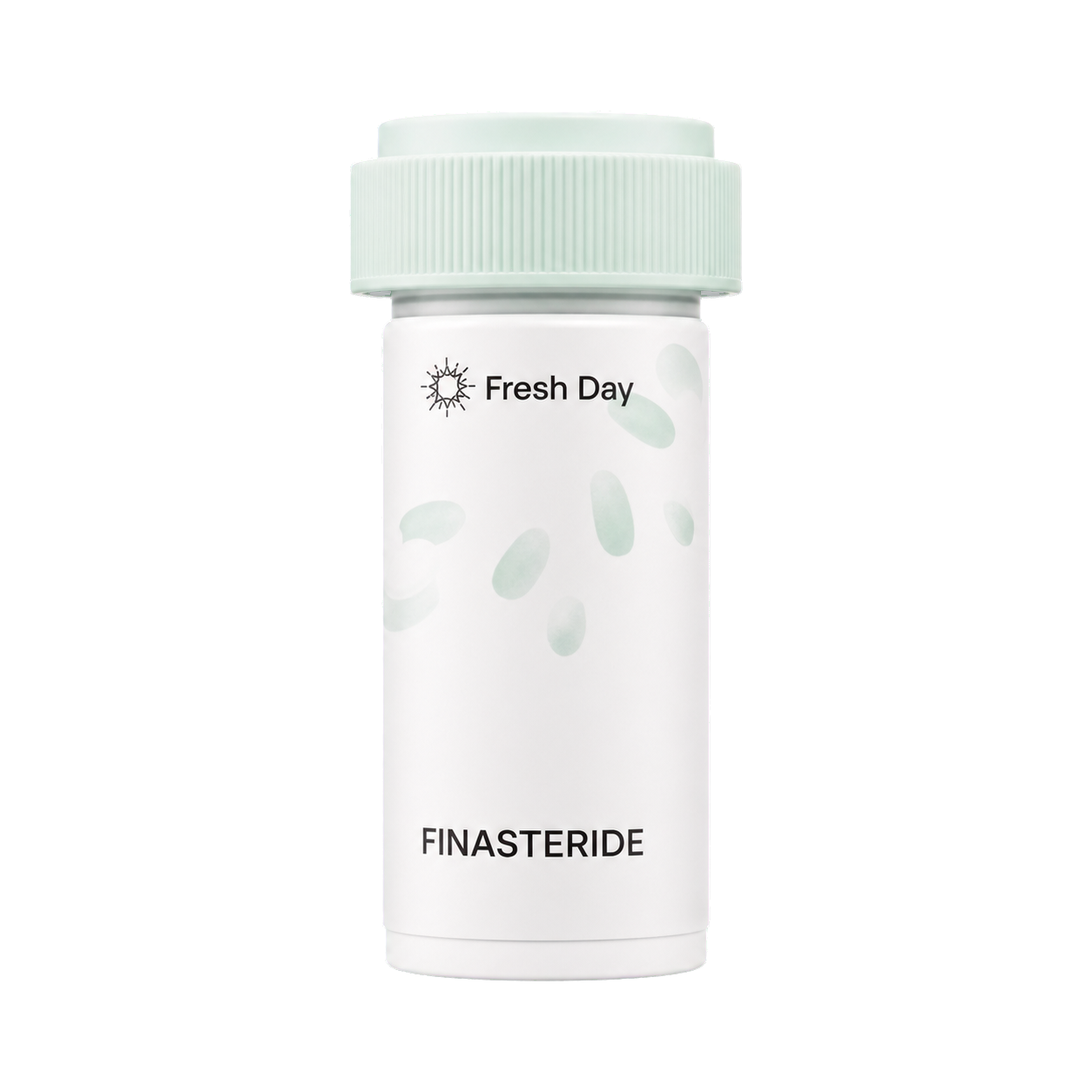
Finasteride works by inhibiting 5-alpha reductase, an enzyme responsible for converting testosterone into dihydrotestosterone (DHT). DHT is the primary culprit behind male pattern baldness, shrinking hair follicles and leading to hair thinning and loss. By reducing DHT levels in the scalp, finasteride helps to slow down hair loss and, in many cases, promotes new hair growth.
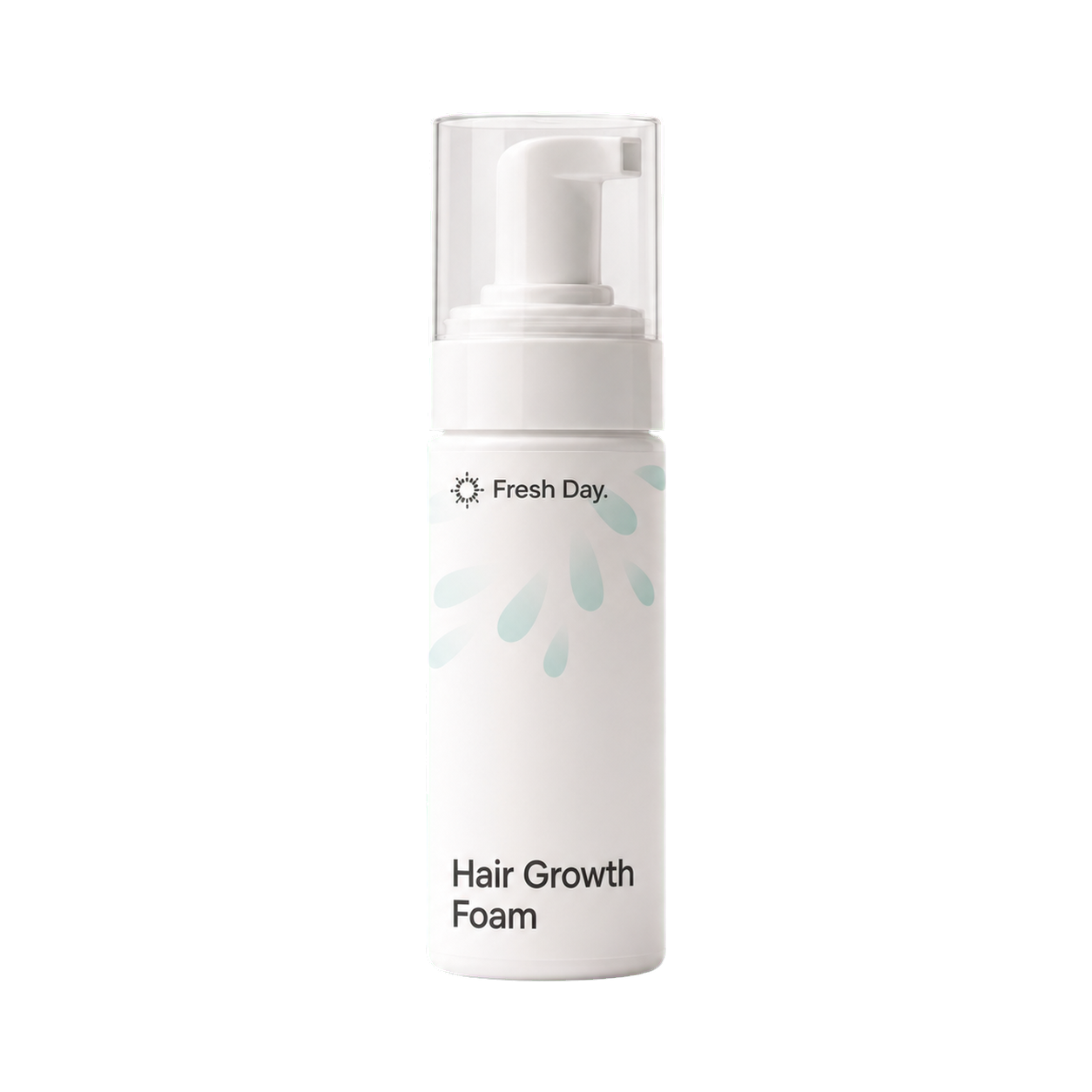
While oral finasteride distributes throughout the body, topical finasteride is designed to deliver the active ingredient directly to the scalp. This localized application is often appealing, as it aims to maximize effectiveness where it's needed most while potentially minimizing systemic exposure and associated side effects.
How Topical Finasteride Differs from Oral Finasteride
The main difference lies in how the medication is absorbed and distributed. Oral finasteride enters the bloodstream and affects DHT levels throughout the body. Topical finasteride, applied directly to the scalp, is intended to have a more localized effect, targeting the hair follicles directly with less absorption into the systemic circulation. This can be a key factor for individuals concerned about systemic side effects.
Potential Side Effects of Topical Finasteride
Even with localized application, it's important to be aware of potential side effects. While generally considered to have fewer systemic side effects than its oral counterpart, topical finasteride is not entirely without them. Most reported side effects are localized to the application area, but systemic effects can still occur in some individuals.
Localized Side Effects
These are the most common side effects associated with topical finasteride, occurring directly on the scalp:
- Scalp Irritation: You might experience redness, itching, dryness, or a stinging sensation at the application site. This is often mild and temporary, especially as your scalp adjusts to the treatment.
- Flaking or Scaling: Similar to irritation, some users report flaking or scaling of the scalp.
- Increased Hair Shedding (Initial Phase): Like many hair loss treatments, you might notice an initial increase in hair shedding. This is often a sign that the medication is working, as it pushes out old, weak hairs to make way for new, healthier growth. This phase is usually temporary and resolves within a few months.
If you experience persistent or severe localized side effects, it’s always best to consult with a healthcare professional, who can help you adjust your routine or explore alternative options.
Potential Systemic Side Effects
While less common with topical application compared to oral finasteride, systemic side effects can still occur due to some absorption into the bloodstream. These may include:
- Sexual Side Effects: This is perhaps the most widely discussed concern with finasteride. Systemic absorption, even if minimal, could potentially lead to decreased libido, erectile dysfunction, or ejaculation disorders. The incidence is generally lower with topical formulations, but it’s a possibility to be aware of.
- Breast Tenderness or Enlargement: In rare cases, finasteride can cause gynecomastia (breast tissue enlargement) or tenderness.
- Mood Changes: Some individuals have reported mood changes, including depression or anxiety. While the link is still being researched, it's important to monitor your emotional well-being.
It's crucial to remember that these systemic side effects are rare with topical finasteride, but maintaining open communication with your doctor about any concerns is vital for your peace of mind and overall well-being. Every sunrise is a chance to start over, and that includes addressing any health concerns with confidence.
Minimizing Risks and Maximizing Benefits
To ensure you get the most out of your topical finasteride treatment while minimizing potential side effects, consider these tips:
- Follow Directions Carefully: Always use the medication exactly as prescribed by your doctor. Over-applying or using it more frequently than recommended will not speed up results and may increase the risk of side effects.
- Be Patient: Hair regrowth is a gradual process. It often takes several months (3-6 typically) to see noticeable improvements. Consistency is key, and patience will be your ally.
- Monitor and Report: Pay attention to how your body responds to the treatment. If you notice any unusual or concerning side effects, contact your healthcare provider immediately. Your doctor can provide personalized guidance and adjust your treatment plan if necessary.
- Combine with Other Treatments: For enhanced results, topical finasteride can sometimes be used in conjunction with other hair loss treatments like Minoxidil, under the guidance of a healthcare professional. This synergistic approach can pave the way for more significant hair regrowth.
Your Path to a Fresher You Starts Today
Choosing a hair loss treatment is a personal journey, and at Fresh Day Meds, we're here to support you every step of the way. Topical finasteride offers a promising solution for many seeking to combat male pattern baldness, with a generally favorable side effect profile due to its targeted application.
Remember, change doesn't start on Monday—it starts today. If you're considering topical finasteride or have questions about its potential side effects, consult with a healthcare professional. They can provide personalized advice, assess your individual risk factors, and help you determine if this treatment is the right step for your hair health journey. With clarity and confidence, you can embrace a fresh day and a new you, with renewed vitality and thicker, fuller hair.