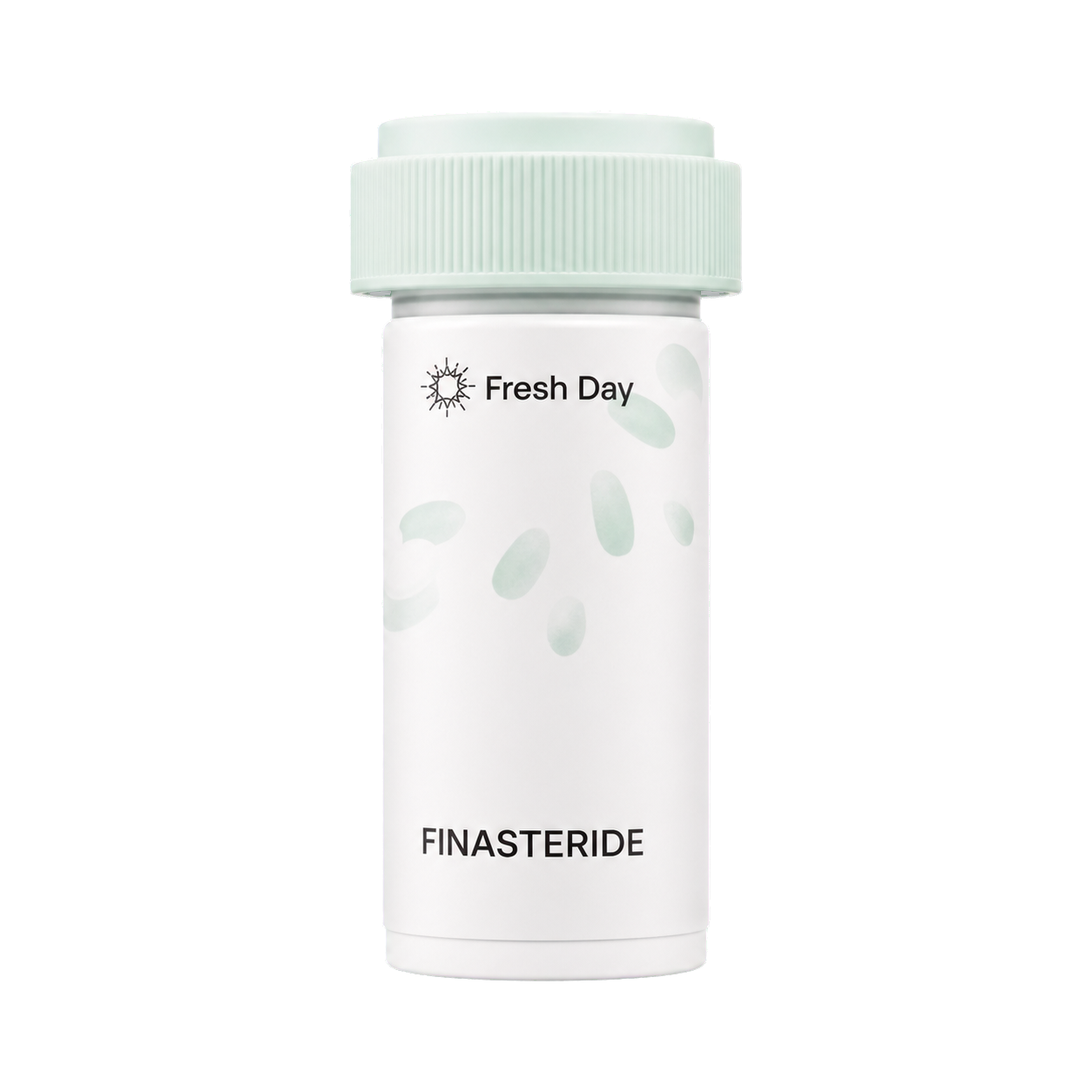
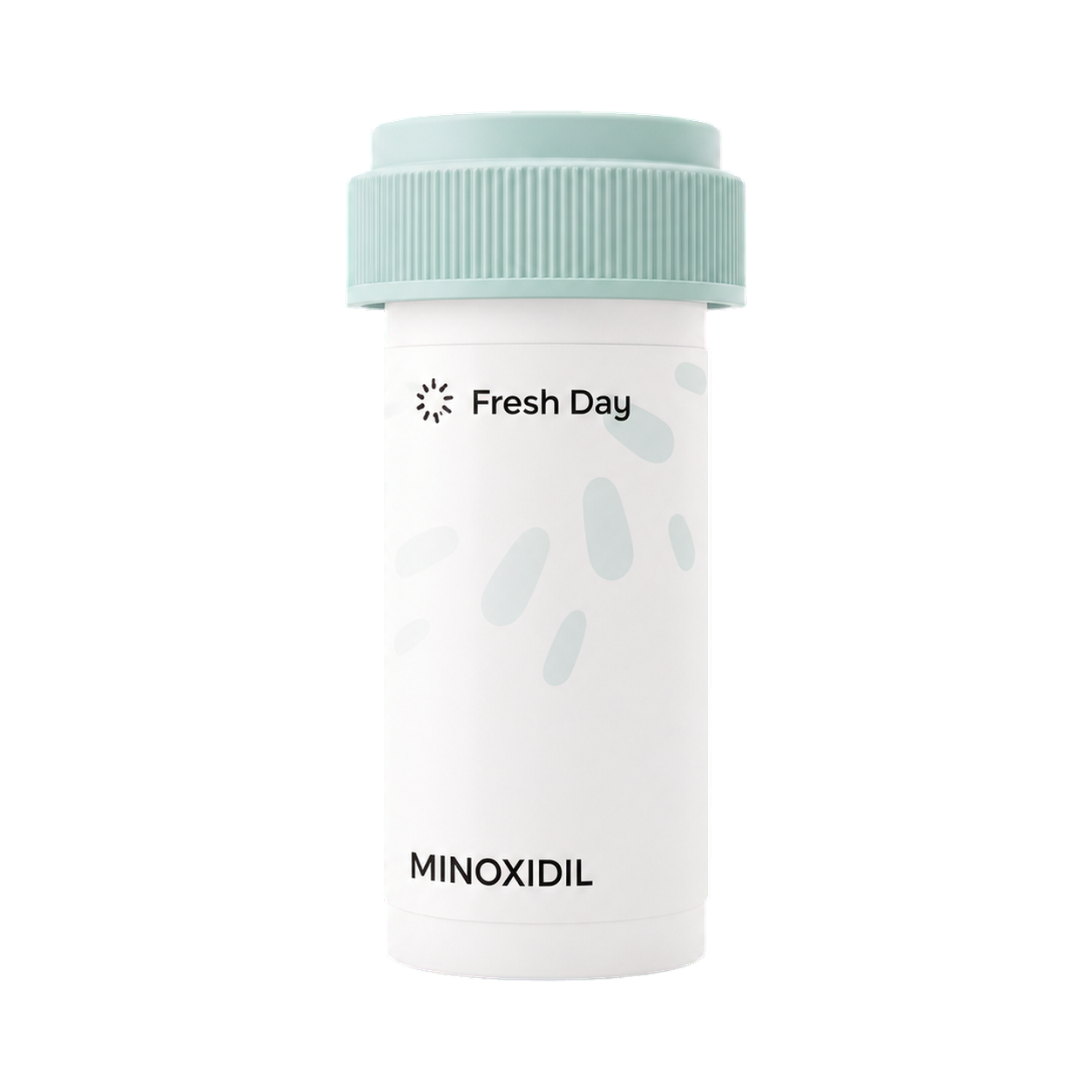
Experiencing hair thinning or loss can be a challenging journey, but every fresh day brings new possibilities for renewal and confidence. If you're seeking clarity on effective hair regrowth solutions, finasteride is likely a name you've encountered. This powerful medication helps combat male pattern baldness by targeting the root cause: dihydrotestosterone (DHT). But did you know it comes in both oral and topical forms? Understanding the differences between topical and oral finasteride is a key step towards choosing the right path for you.
At Fresh Day Meds, we're always supportive and focused on progress, guiding you toward solutions that are simple, accessible, and inspiring. Let's delve into the science behind topical and oral finasteride, helping you make an informed decision for your hair health journey.
Understanding Finasteride and DHT
Before we dive into the forms, let's briefly revisit how finasteride works. Finasteride is an FDA-approved medication that effectively treats male pattern baldness (androgenetic alopecia) by inhibiting the enzyme 5-alpha-reductase. This enzyme converts testosterone into DHT, a hormone that shrinks hair follicles in genetically susceptible individuals, leading to thinning and eventual hair loss. By reducing DHT levels, finasteride helps to slow down hair loss and can even promote new hair growth.
Oral Finasteride: The Traditional Approach
Oral finasteride, typically taken as a daily pill, has been the standard treatment for male pattern baldness for decades. It's well-researched and has a proven track record of effectiveness.
How it Works:
When taken orally, finasteride enters your bloodstream and works systemically throughout your body to reduce DHT levels. This widespread reduction of DHT helps protect hair follicles across the scalp, leading to a comprehensive approach to hair regrowth.
Benefits:
- Proven Efficacy: Numerous studies have demonstrated its effectiveness in preventing further hair loss and stimulating new growth.
- Convenience: A single daily pill is easy to incorporate into your routine, making it a simple, accessible solution.
- Systemic Action: By reducing DHT throughout the body, it addresses hair loss comprehensively.
Considerations:
- Systemic Side Effects: Because it acts systemically, there's a potential for systemic side effects, although generally rare. These can include sexual side effects (like decreased libido or erectile dysfunction) or, less commonly, mood changes.
- Prescription Required: Oral finasteride is a prescription-only medication.
Topical Finasteride: A Newer Horizon
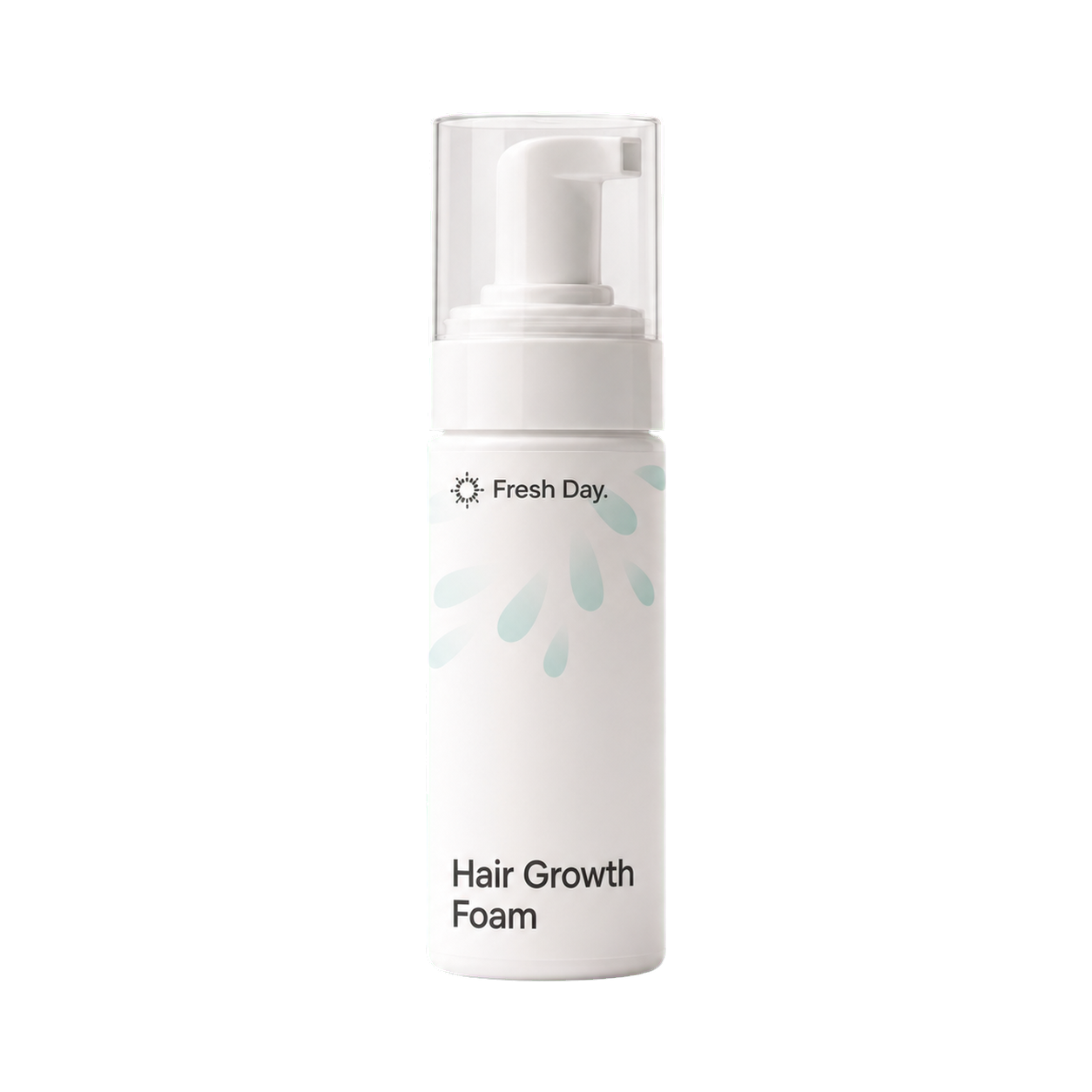
Topical finasteride is a newer formulation that applies the active ingredient directly to the scalp, often in a solution or spray. The idea is to target the hair follicles directly while minimizing systemic absorption and potential side effects.
How it Works:
Applied directly to the scalp, topical finasteride aims to deliver the DHT-blocking benefits precisely where they are needed – at the hair follicles. The goal is to maximize local efficacy while limiting the amount of medication that enters the bloodstream.
Benefits:
- Reduced Systemic Exposure: The primary advantage is the potential for fewer systemic side effects compared to oral finasteride, as less of the medication is absorbed into the bloodstream.
- Targeted Action: It delivers the active ingredient directly to the scalp, potentially maximizing its impact on hair follicles.
- Effective for Hair Growth: Emerging research suggests topical finasteride can be effective in promoting hair growth and reducing hair loss, offering a fresh approach for those seeking renewal.
Considerations:
- Application Routine: Requires daily application to the scalp, which some might find less convenient than a pill.
- Scalp Irritation: Some individuals might experience localized scalp irritation, such as redness or itching.
- Availability: While gaining popularity, it may not be as widely available or have as much long-term research compared to oral finasteride.
Which One is Right for You?
Choosing between topical and oral finasteride is a personal decision that should be made in consultation with a healthcare professional. Here are some guiding thoughts:
- For maximum convenience and established efficacy: Oral finasteride might be a preferred option, especially if you haven't experienced significant side effects with other medications.
- For those concerned about systemic side effects: Topical finasteride offers an appealing alternative, providing a more targeted approach with potentially fewer widespread impacts.
- For those seeking a combined approach: Some individuals may even consider using both topical finasteride and topical minoxidil, under medical guidance, to maximize their hair regrowth potential. This dual approach can offer a powerful synergy for a fresh start in your hair journey.
Your Fresh Start for Hair Health
No matter which path you consider, the most important step is to seek clarity from a healthcare provider. They can assess your specific situation, discuss your medical history, and help you understand the potential benefits and considerations of both topical and oral finasteride. At Fresh Day Meds, we believe in empowering you with information and access to care, so you can confidently make choices that lead to lasting vitality and a renewed sense of self.
Remember, every sunrise is a chance to start over. Consult today, new you tomorrow. Let Fresh Day Meds be your supportive partner in achieving thicker, fuller hair and embracing a brighter tomorrow.