

Every new day brings a chance for renewal, especially when it comes to your hair health journey. If you're seeking solutions for hair loss, you've likely come across various treatments, and two names that often arise are Trioxidil and Minoxidil. Both aim to combat hair thinning and promote regrowth, but they do so through different mechanisms and formulations. Understanding these differences is key to finding the right path for your unique needs. At Fresh Day Meds, we believe in providing clarity and support on your journey to a fresher, fuller you.
Let's compare Trioxidil and Minoxidil to help you make an informed decision for a fresh start in your hair health.
Minoxidil: The Trusted, FDA-Approved Solution
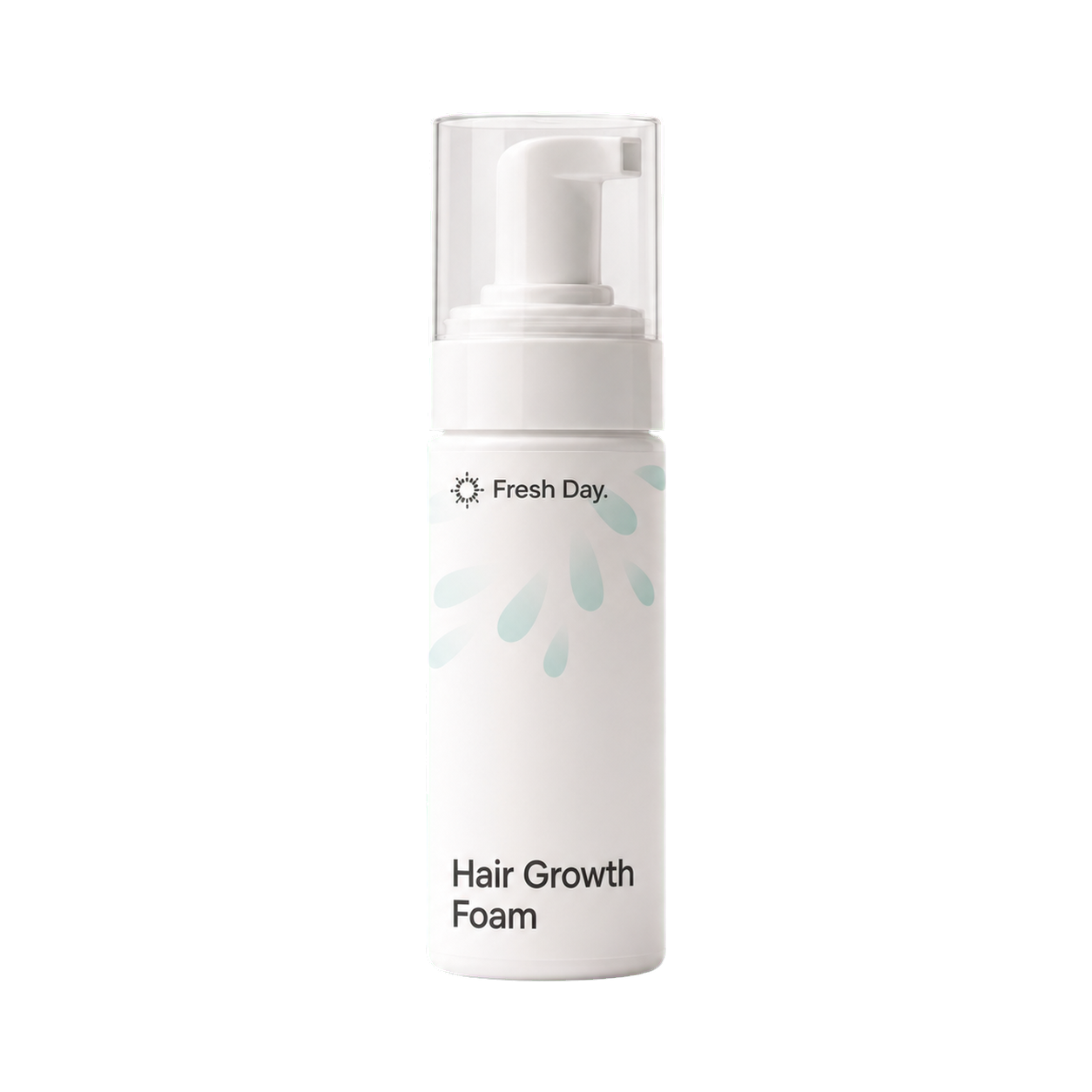
Minoxidil is perhaps the most widely recognized and extensively studied topical treatment for hair loss. It was originally developed as an oral medication for high blood pressure, but patients noticed an interesting side effect: hair growth. This led to its reformulation as a topical solution and foam for treating androgenetic alopecia, commonly known as male and female pattern baldness.
How Minoxidil Works
Minoxidil is classified as a vasodilator, meaning it widens blood vessels. When applied to the scalp, it's believed to work by:
- Increasing Blood Flow: By dilating blood vessels around hair follicles, Minoxidil delivers more oxygen, nutrients, and blood to the follicles, which are essential for hair growth.
- Extending Anagen Phase: It's thought to prolong the anagen (growth) phase of the hair cycle, allowing hair strands to grow for a longer period.
- Enlarging Follicles: Minoxidil may also help to reactivate dormant hair follicles and increase the size of existing follicles, leading to thicker, stronger hair.
Minoxidil is available over-the-counter in various strengths, typically 2% and 5%. It requires consistent, long-term use to see results, which often become noticeable after a few months of daily application. While generally well-tolerated, some users may experience scalp irritation, dryness, or a temporary increase in hair shedding (known as the "Minoxidil shed") during the initial weeks of treatment, which is often a sign that it's working.
Trioxidil: A Newer, Proprietary Blend
Trioxidil is a newer, proprietary blend of ingredients formulated specifically for hair health. It's often marketed as a natural alternative or complement to Minoxidil and is found in various hair care products like shampoos, conditioners, and serums. Unlike Minoxidil, Trioxidil is not an FDA-approved drug for hair loss, as it's a cosmetic ingredient blend rather than a single pharmaceutical compound.
How Trioxidil Claims to Work
The formulation of Trioxidil often includes a combination of ingredients that claim to target hair loss through several pathways:
- Follicle Health: Ingredients like biotin, arginine, and various botanical extracts are included to nourish hair follicles and promote a healthy scalp environment.
- DHT Blockers: Some formulations may include ingredients that are thought to inhibit dihydrotestosterone (DHT), a hormone known to contribute to androgenetic alopecia.
- Extracellular Matrix Support: The blend aims to support the extracellular matrix of the scalp, which plays a role in anchoring hair follicles and promoting growth.
Trioxidil products typically focus on a holistic approach to hair health, often emphasizing natural ingredients and scalp vitality. While it aims to provide a supportive environment for hair growth, the scientific evidence supporting its efficacy as a standalone hair loss treatment is not as robust or extensive as that for Minoxidil.
Key Differences and Considerations for Your Choice
| Feature | Minoxidil | Trioxidil | | :----------------- | :-------------------------------------------- | :----------------------------------------------------------- | | Approval | FDA-approved drug for hair loss | Proprietary blend, not FDA-approved as a drug | | Mechanism | Vasodilator, increases blood flow, prolongs anagen phase | Blend of ingredients targeting follicle health, DHT, and scalp matrix | | Evidence | Extensive clinical trials and research | Limited independent clinical evidence for standalone efficacy | | Availability | Over-the-counter solution/foam (2% & 5%) | Found in various hair care products (shampoos, conditioners, serums) | | Side Effects | Scalp irritation, dryness, initial shedding | Generally mild, depends on specific ingredients and sensitivities |
Making Your Choice for a Fresh You
Choosing between Trioxidil and Minoxidil depends on your personal preferences and the severity of your hair loss. If you're looking for a scientifically proven, FDA-approved treatment with a strong track record, Minoxidil is a clear choice. It's a foundational therapy for many experiencing androgenetic alopecia and can be very effective when used consistently. For those seeking a comprehensive hair care routine that incorporates supportive ingredients and aims for overall scalp health, Trioxidil-containing products might be a good addition, especially if used alongside a proven treatment like Minoxidil or other physician-prescribed medications.
Remember, the journey to renewed hair health is about clarity, science, and trust. Consulting with a healthcare professional or a dermatologist is always the best first step. They can help diagnose the cause of your hair loss and recommend a personalized treatment plan that aligns with your goals for a fresh, confident you. Start today with Fresh Day Meds – your support and inspiration for daily change.