

Every sunrise is a chance to start over, and that includes renewing your hair health from within. It’s easy to overlook the subtle signals our bodies send, especially when it comes to something as common as hair loss. But what if one of those signals pointed to something as fundamental as a vitamin deficiency? Today, we're diving into the fascinating connection between Vitamin B12 deficiency and hair loss, offering clarity on how this essential nutrient impacts your hair's vitality.
The Role of Vitamin B12 in Your Body
Vitamin B12, also known as cobalamin, is a powerhouse nutrient crucial for numerous bodily functions. It plays a vital role in red blood cell formation, nerve function, and DNA synthesis. Think of it as a silent architect, helping to build and maintain the very foundations of your health. When your body isn't getting enough B12, these essential processes can falter, leading to a cascade of symptoms that can affect everything from your energy levels to, yes, your hair.
Why B12 is Essential for Hair Health
So, how does a vitamin involved in red blood cells and DNA synthesis relate to the vibrant hair you desire? The answer lies in the intricate link between overall health and hair growth. Healthy hair follicles require a steady supply of oxygen and nutrients to grow strong and resilient strands. Here's where B12 steps in:
- Red Blood Cell Production: B12 is indispensable for creating healthy red blood cells, which are responsible for carrying oxygen to your hair follicles. Without enough oxygen, follicles can become starved, leading to slower growth and even hair shedding.
- Cell Division and Growth: Hair is one of the fastest-growing tissues in the body, constantly undergoing rapid cell division. B12 supports this cellular replication, ensuring that hair cells can multiply efficiently and effectively.
- Energy Production: Adequate B12 levels contribute to your body's overall energy production. When your energy is low due to a deficiency, your body prioritizes essential functions, sometimes leaving hair growth on the back burner.
Unpacking the Link: B12 Deficiency and Hair Loss
When your body is low on Vitamin B12, the impact on your hair can become noticeable. You might experience:
- Increased Hair Shedding: As follicles struggle to receive adequate oxygen and nutrients, they may enter the resting (telogen) phase prematurely, leading to increased shedding.
- Slower Hair Growth: The rate at which your hair grows can diminish, making it harder to achieve the length and fullness you desire.
- Brittle or Weak Hair: Lack of proper nourishment can make existing hair strands weaker, more prone to breakage, and less vibrant.
It's important to remember that hair loss can stem from many causes, and a B12 deficiency is just one piece of the puzzle. However, identifying and addressing this deficiency can be a meaningful step on your path to renewed hair health.
Recognizing the Signs of B12 Deficiency
Beyond hair loss, a Vitamin B12 deficiency can manifest in various ways. Being aware of these signs can help you gain clarity on your overall health journey:
- Fatigue and Weakness: Persistent tiredness, even after adequate sleep, is a common symptom.
- Pale or Jaundiced Skin: Due to the impact on red blood cells.
- Neurological Symptoms: Tingling sensations, numbness, difficulty walking, or memory issues.
- Sore, Red Tongue (Glossitis): A common oral manifestation.
- Mood Changes: Irritability or even symptoms akin to depression can occur, linking back to your daily wellness.
If you're experiencing several of these symptoms, especially alongside hair loss, consulting with a healthcare professional is a positive and proactive step toward understanding your body's needs. A simple blood test can confirm a B12 deficiency.
Your Path to Renewal: Addressing B12 Deficiency
If a Vitamin B12 deficiency is identified as a contributor to your hair loss, the good news is that it's often manageable. Your healthcare provider may recommend:
- Dietary Adjustments: Incorporating more B12-rich foods into your diet. These include:
- Meat (especially beef liver and clams)
- Fish (salmon, tuna)
- Poultry
- Eggs
- Dairy products (milk, yogurt, cheese)
- Fortified cereals and plant-based milks (for vegetarians and vegans)
-
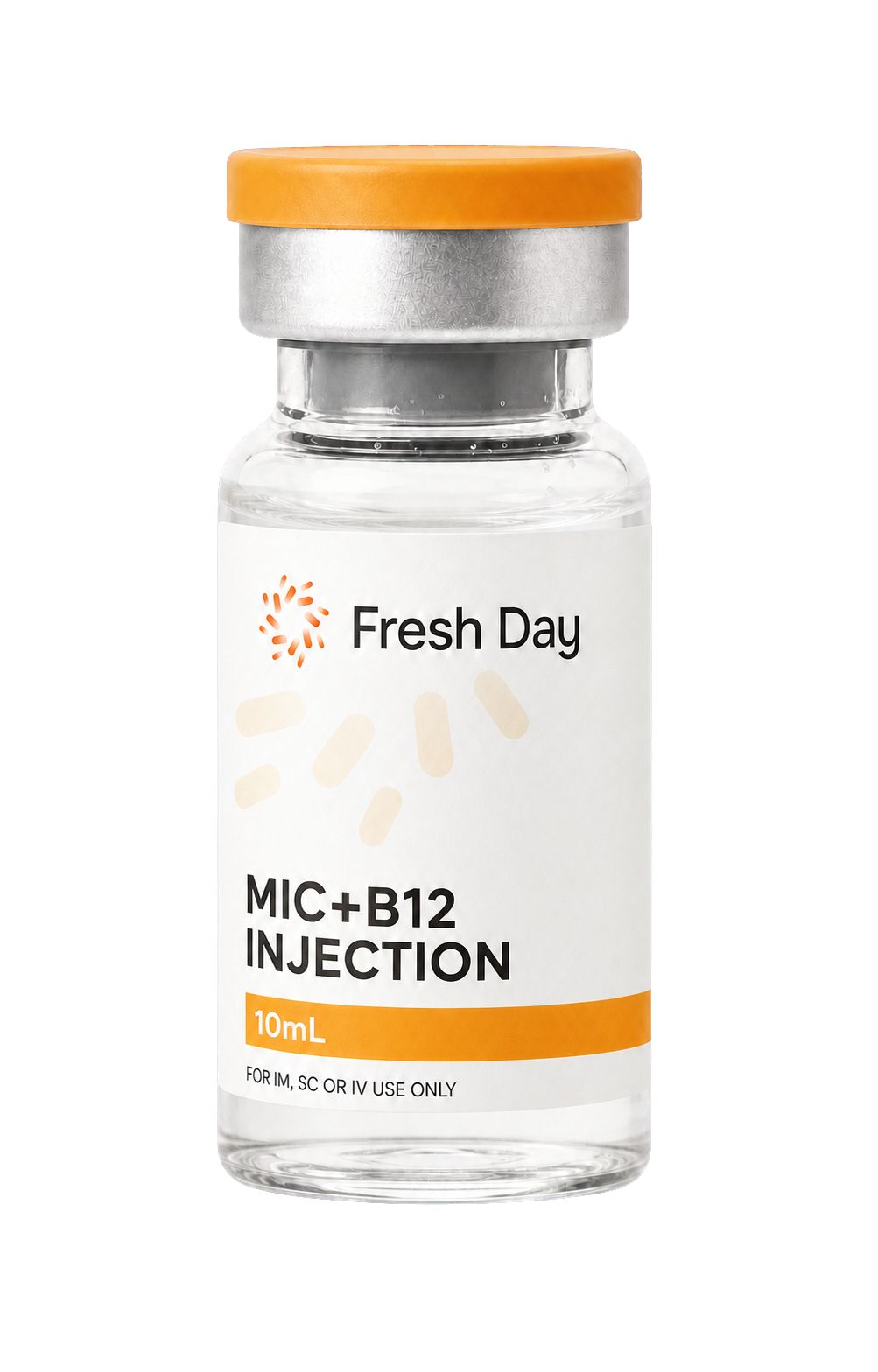
Supplements: Oral Vitamin B12 supplements are often effective, especially for mild deficiencies. For more severe cases or absorption issues, B12 injections might be necessary.
-
Treating Underlying Conditions: Sometimes, a B12 deficiency is caused by an underlying condition affecting absorption, such as pernicious anemia or Crohn's disease. Addressing these root causes is crucial for long-term health and hair vitality.
Remember, making small, consistent changes can lead to meaningful transformation. When it comes to hair health, supporting your body with essential nutrients like Vitamin B12 can set the stage for renewed growth and strength. Consider integrating a comprehensive hair regrowth regimen that supports your scalp and follicles, such as topical minoxidil, alongside addressing any nutritional gaps.
A Fresh Day, For a New You
Understanding the connection between Vitamin B12 deficiency and hair loss is a step towards gaining clarity in your health journey. It’s a reminder that our bodies work as an interconnected system, and nurturing one aspect often benefits another. By ensuring you have adequate B12, you're not just supporting your hair; you're boosting your overall energy, balance, and vitality.
Start today with Fresh Day Meds. We're here to support your progress, offering solutions that make daily care simple, accessible, and inspiring. Every choice carries purpose, not decoration, guiding you towards a brighter, healthier tomorrow. Consult today, new you tomorrow.