

It's a question that often sparks curiosity: who is more sexually active, males or females? When we talk about sexual activity, it's easy to fall into generalizations based on societal norms or anecdotal evidence. However, the reality is far more nuanced and deeply personal. At Fresh Day Meds, we believe in clarity and understanding, helping you navigate your health journey with confidence and optimism. Let's dive into what truly defines sexual activity and how it varies across individuals.
Beyond Simple Numbers: Defining Sexual Activity
When we ask "who is more sexually active," what are we really asking? Is it about the frequency of sexual encounters, the intensity of desire, or the perceived importance of sex in one's life? The answer is often a blend of these factors, and it's essential to recognize that sexual activity isn't a one-size-fits-all concept. It's a dynamic aspect of human experience, influenced by a multitude of biological, psychological, and social elements.
For many, sexual wellness is about more than just physical acts; it’s about connection, emotional intimacy, and overall vitality. It’s about feeling good in your own skin and with your partner, fostering a sense of renewal in your relationships.
The Role of Biological Factors
Biological differences certainly play a part in sexual drive and activity. Hormones, for instance, are significant drivers. Testosterone, often referred to as the primary male sex hormone, is also present in females and contributes to libido in both. Generally, males tend to have higher levels of testosterone, which can correlate with a higher baseline sex drive. However, this is a broad generalization, and individual variations are immense.
Estrogen and progesterone, predominant in females, also influence sexual desire and responsiveness, with fluctuations throughout the menstrual cycle impacting libido. Understanding these natural rhythms can bring new clarity to personal experiences.
Psychological and Social Influences
Biology sets a foundation, but psychology and social conditioning build the rest of the structure. Our minds are powerful engines of desire, and factors like stress, mood, self-esteem, and relationship satisfaction profoundly impact sexual activity. For instance, anxiety or depression can significantly dampen libido in anyone, regardless of gender.
Societal expectations also shape how men and women perceive and express their sexuality. Historically, men have often been portrayed as having an insatiable sex drive, while female desire has sometimes been downplayed or misunderstood. These narratives can create pressure and misinterpretations, making it harder for individuals to understand their own authentic sexual needs and desires.
At Fresh Day Meds, we encourage an open and supportive approach to understanding sexual health, free from judgment and societal pressures. It’s about balance and recognizing that everyone’s journey is unique.
Frequency and Desire: What the Research Suggests
Research on sexual activity often relies on self-reported data, which can vary based on individual perceptions and willingness to disclose. However, studies generally indicate some trends:
- Frequency: Younger individuals, both male and female, tend to report higher frequencies of sexual activity. As people age, frequency might decrease, but satisfaction often remains steady or even increases due to deeper intimacy and understanding.
- Desire: While some studies suggest men report higher levels of sexual desire and more frequent sexual thoughts, other research indicates that female desire is equally complex and can be triggered by a wider range of stimuli, including emotional connection and context.
It’s important to remember that averages don't define individuals. What matters most is what feels right and fulfilling for you and your partner. Renewal in your sexual life often comes from understanding and communication, not from comparing yourself to others.
The Spectrum of Sexual Desire
Sexual desire exists on a wide spectrum. Some individuals naturally have a higher libido, while others have a lower one, and both are perfectly normal. It’s about finding balance and vitality that aligns with your personal well-being. Factors such as overall health, lifestyle, and relationship dynamics play crucial roles.
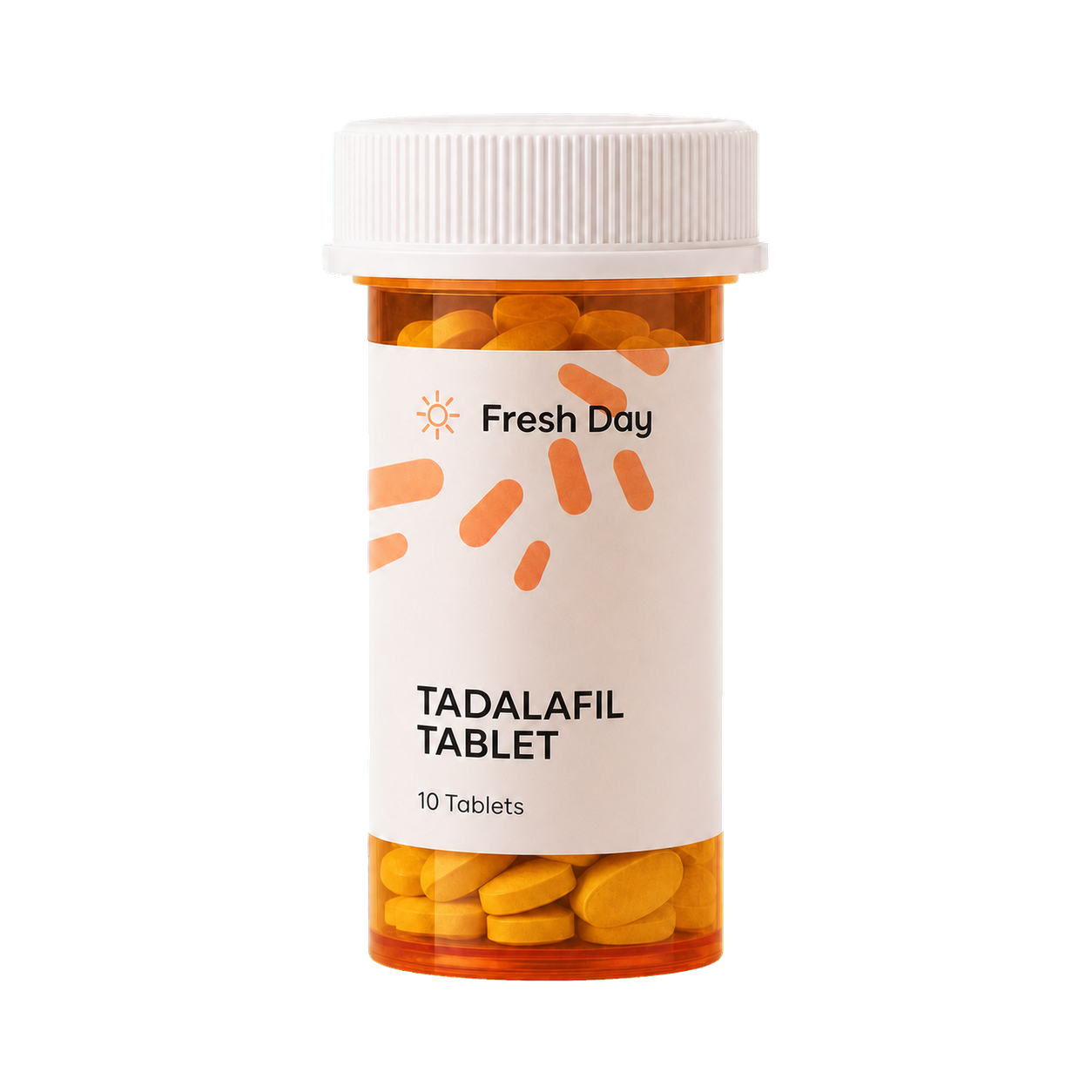
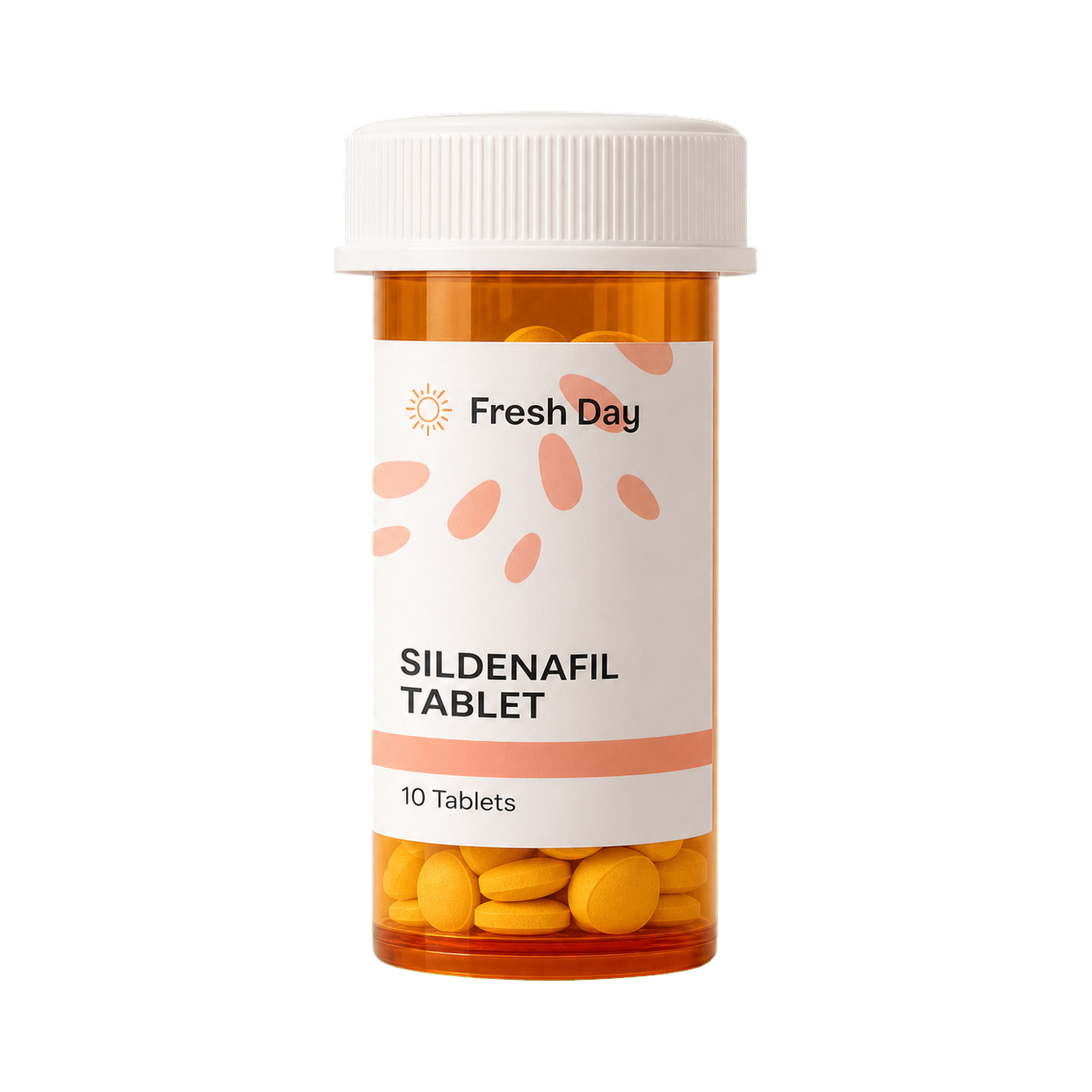
If you're experiencing changes in your sex drive or have concerns about sexual wellness, seeking support is a positive step. Conditions like erectile dysfunction can impact sexual activity for men, and treatments like sildenafil or tadalafil can offer a fresh start. For women, hormonal shifts or other factors might influence desire.
Embracing Your Unique Journey
Ultimately, the question of "who is more sexually active" doesn't have a simple, definitive answer. Sexual activity is a deeply personal experience, shaped by a complex interplay of biology, psychology, and social context. Instead of focusing on comparisons, Fresh Day Meds encourages you to focus on your own sexual wellness journey — understanding your desires, communicating with your partner, and seeking clarity when needed.
Every sunrise is a chance to start over, and every day is a fresh opportunity to embrace renewal, balance, and lasting vitality in your intimate life. If you have concerns about your sexual health, consult today, new you tomorrow. Your journey towards a fulfilling and vibrant sexual life starts with understanding and self-care. It's a fresh day, for a new you.