










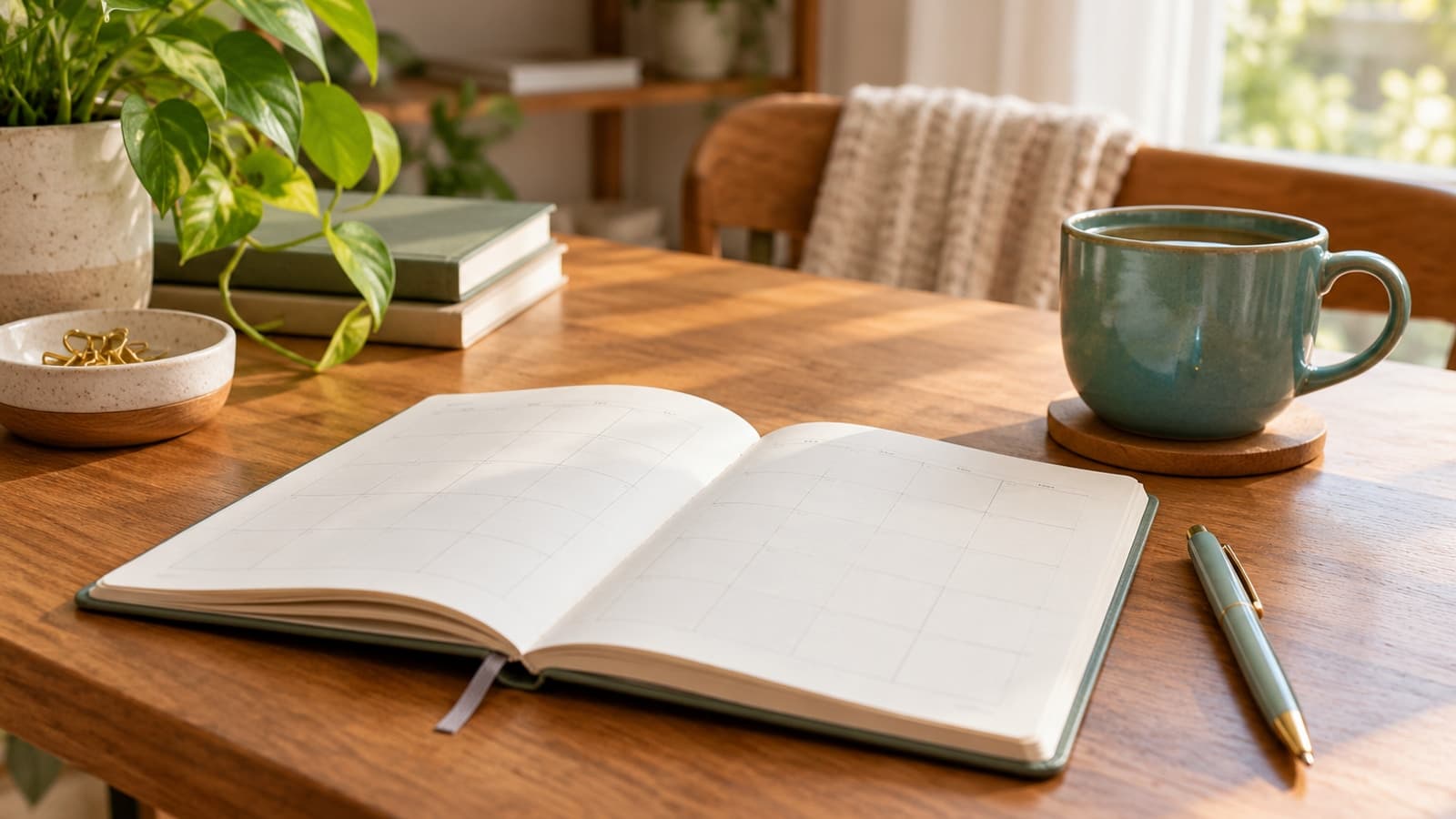
A tracker can help you remember what happened during a busy week. It can also become another chore if it asks for more detail than you’ll ever use. During GLP-1 treatment, keep the focus on information that helps you make a decision or have a better follow-up conversation.
Choose a few things you can act on
Pick two or three habits that matter to you right now. You might note whether you had regular eating opportunities, did a planned walk, or gave yourself enough time for sleep. Use specific actions rather than a vague rating of whether the day was “good.”
If your clinician has asked you to track symptoms or measurements, keep those in the format they recommend. You don’t need to add calorie targets, daily weigh-ins, or a long list of numbers just because an app offers them.
Make the entries quick
A simple weekly page can include the day, the habit you tried, and one short note. For example: “Tuesday: packed lunch; meeting ran late; ate it at 2.” That tells you something useful about the obstacle.
Use a check mark when it’s enough and a sentence when context matters. An empty box can mean you forgot to write something down; it shouldn’t automatically count as a failed day.
Review patterns once a week
Look for repeated situations. Perhaps meals are easier when lunch is packed the night before, or movement happens more often when you arrange it with a friend. Choose one adjustment based on what you notice.
You can also see whether the plan was too ambitious. If the same action rarely fits, make it smaller or move it to another time. The tracker should help improve the plan rather than simply record that it wasn’t working.
Keep treatment records clear
Record a medicine dose as taken only after you actually take it. Keep prescribed directions separate from habit goals, and don’t change medicine use to improve a streak.
If tracking increases anxiety, rigid eating, or repeated checking, simplify it or discuss another approach with your care team. The most useful tracker is one you can use lightly, learn from, and put away when you’re done.