










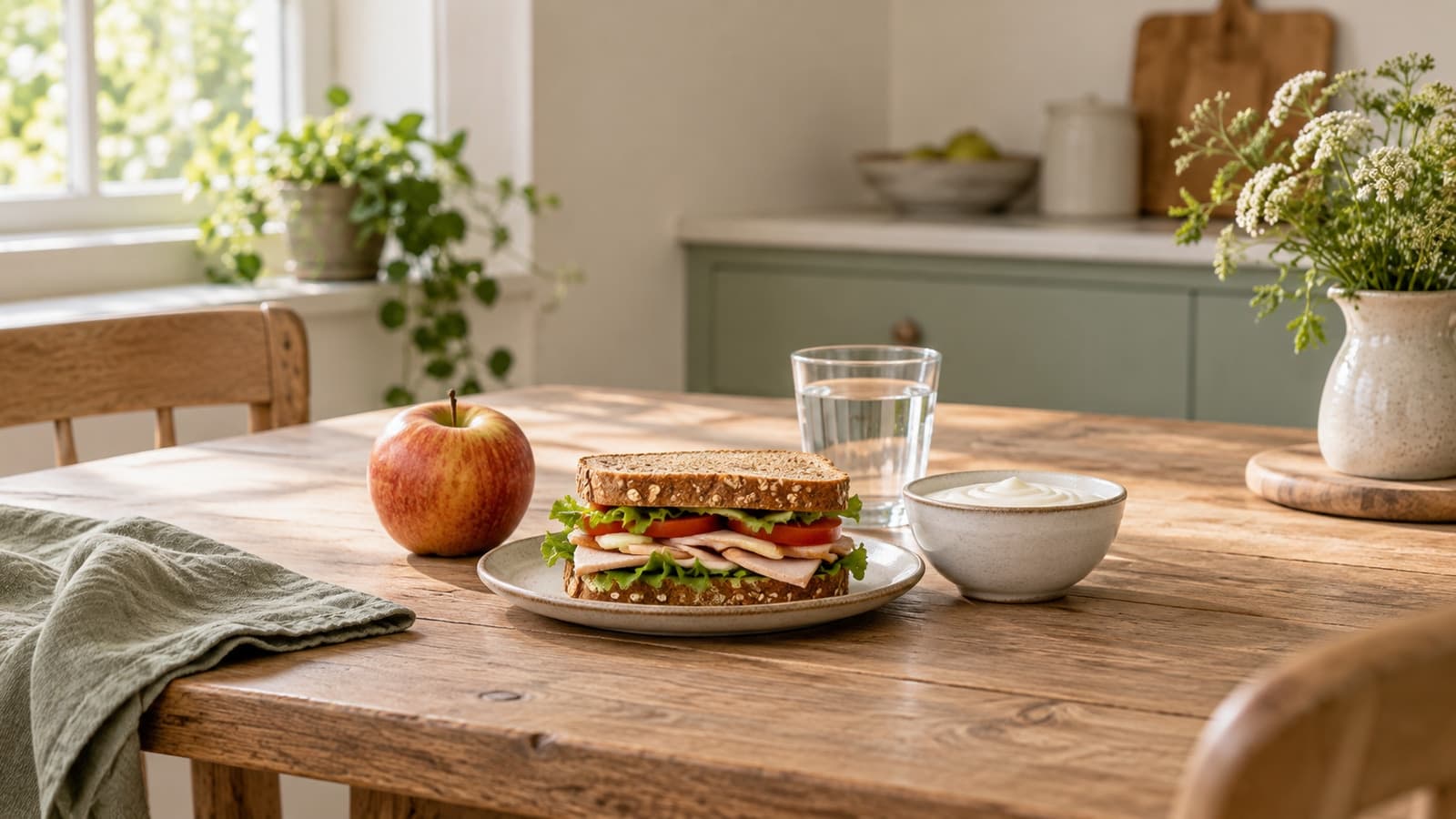
You open the pantry and see bread, canned beans, a jar of pasta sauce and crackers. Then you read a headline saying to avoid processed foods. Does all of it need to go?
A package alone can’t tell you everything about a food. Processing includes many different techniques and products, from washing and freezing vegetables to making ready-to-eat meals. “Ultra-processed” is a more specific research category, but it still covers foods with very different ingredients, nutrients and roles in a meal.
What did a controlled study find?
In a small study, 20 adults stayed at a research center and ate from two different menus for two weeks each. One menu was built around ultra-processed foods; the other used mostly unprocessed foods. Researchers matched several features of the meals offered, including calories and some nutrients, and participants could eat as much as they wanted.
On average, people ate more and gained weight during the ultra-processed menu. They ate less and lost weight during the other menu. That is a reason to take the overall pattern seriously.
It is also a short study of two specific menus in a setting where meals were provided. It doesn’t tell us the effect of every individual packaged food, or identify one ingredient as the cause. Cost, food access and the effort of preparing meals were not tested in the same way they operate at home.
A broad category has limits
A frozen meal, a flavored yogurt and a packaged dessert are not identical meals. What matters to you might include protein, fiber, sodium, added sugar, taste, price or whether the food helps you put dinner together after a long shift.
Some large observational studies have also found different associations for different food groups. Those studies can identify patterns worth investigating; they cannot prove that one item caused or prevented a health outcome. They also don’t turn a grocery aisle into a set of simple good-or-bad choices.
If a packaged bread makes a sandwich possible, you can consider the bread alongside the rest of the meal. If a convenient soup is high in sodium and you’ve been advised to limit it, compare another option when you can. The practical answer depends on the food and your needs.
Start with the meal you actually eat
Rather than replacing your entire pantry, try looking at one routine. Perhaps lunch is often a snack eaten in the car because there is no time to cook. Could you add a piece of fruit, yogurt or a protein food you enjoy? Could you keep a ready option at work for days when plans change?
Convenience can be useful, especially if a GLP-1 has made large meals or cooking smells less appealing. A ready-made option that you can tolerate may help you eat when a complicated recipe would not. You can still add variety across the day as your appetite allows.
Our guide to reading food labels explains how to compare products using the information that matters for your particular question.
Consider the whole week
Sometimes the most useful change is not a ban. It may be keeping frozen vegetables in the freezer, choosing water with a meal, or finding a lunch you can assemble in five minutes. Fresh, frozen and canned foods can all have a place in a practical routine.
If you enjoy a packaged treat, you don’t need to treat it as proof that the day is ruined. Look at the bigger pattern and how you feel. Food choices also have to work with your budget, schedule, culture and any dietary advice you’ve been given.
If the language around food is making meals stressful, a dietitian can help you sort through the advice. You deserve a plan built around nourishment and real life, not fear of every wrapper.