










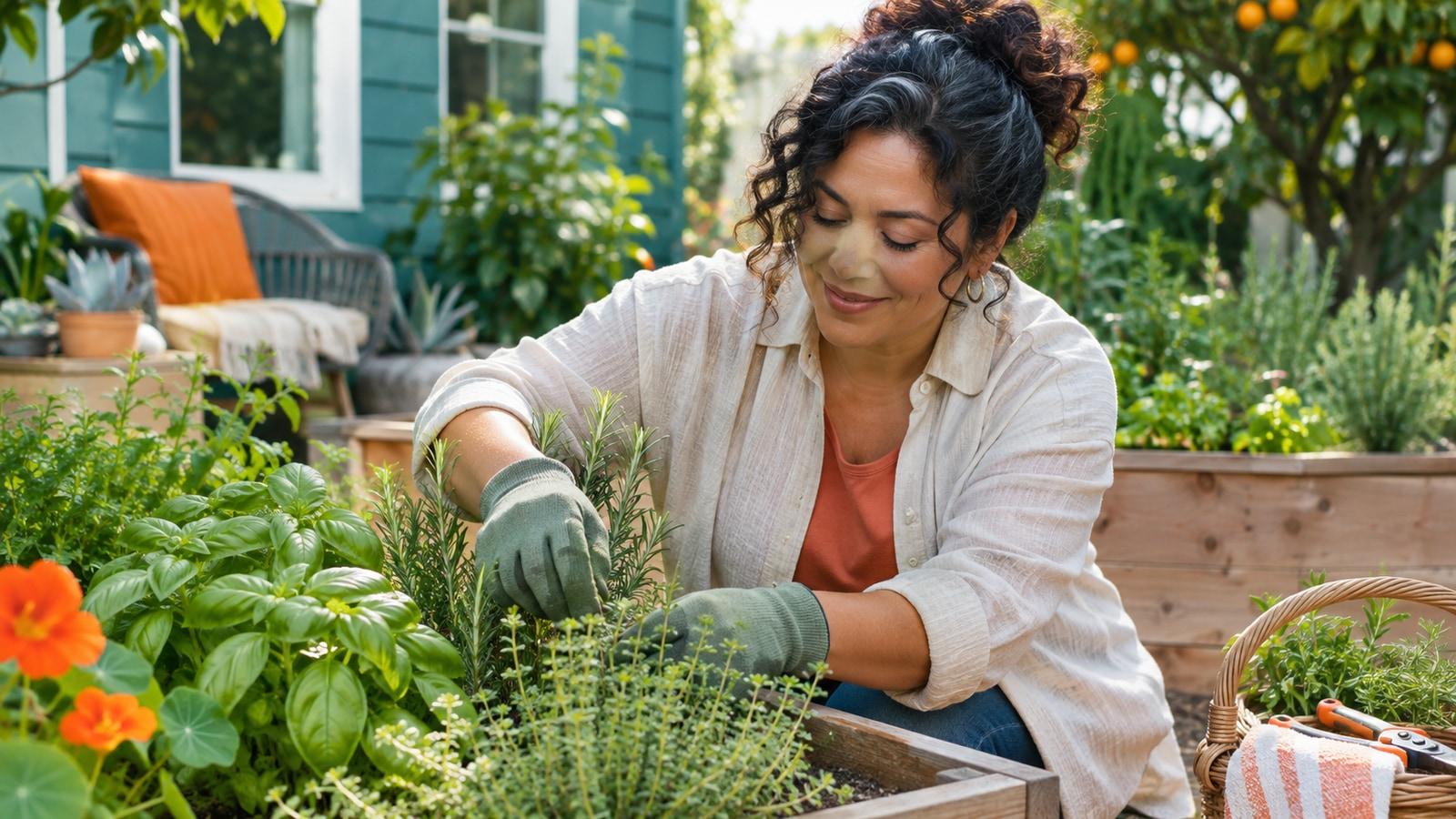
After an afternoon pulling weeds or carrying pots, you may feel like you've had a workout—even if you never set foot in a gym. Gardening can involve walking, reaching, digging, lifting, and plenty of small movements. It can be part of an active routine, and you get to watch something grow along the way.
The effort depends on the task and the person. Watering a few containers and digging a new bed don't place the same demands on your body. Both can be worthwhile without turning the garden into a calorie-counting project.
Notice the movement you're already doing
Think through a typical session. You might walk between beds, bend to plant, carry a small watering can, and reach to prune a shrub. A different day might involve moving soil or raking leaves. Some tasks raise your breathing rate; others are gentler and more focused on coordination or reaching.
Physical-activity guidance includes gardening among activities that can involve different kinds of movement. Heavy digging or lifting can challenge muscles, while more continuous work may raise your heart and breathing rates. How demanding a task feels will vary with the load, pace, weather, and your own experience.
That doesn't mean every garden task replaces a balanced strength or aerobic program. If you have a particular movement goal, a clinician or qualified exercise professional can help you decide what other activities might be useful. Gardening can still be a part of the week you enjoy.
Start with a task, not a target
If you haven't gardened in a while, choose a manageable job. You might repot one plant, weed a small section, or water a few containers. Put tools and supplies nearby so you don't have to make repeated trips with a heavy load.
Take breaks before you're exhausted. You can divide a larger job across several days or ask someone to help with bags of soil and awkward pots. A garden doesn't have to be finished in one afternoon to be worth tending.
Notice how your body responds during and after the work. If a task causes pain, dizziness, or makes you feel unwell, stop and seek appropriate guidance. If you have a health condition, recent injury, or restrictions on activity, ask your care team how to adapt the work.
Make the setup easier
The garden should fit the gardener. Consider a raised bed or a container on a stable surface if reaching the ground is difficult. A sturdy seat can offer a place to rest, and long-handled tools may reduce repeated bending for some tasks. Check that a chair or support is stable on the surface before relying on it.
If you use a wheelchair or mobility aid, look at the path width, ground surface, reach to the bed, and access to water. A container near an accessible doorway may be more useful than a distant plot. Community gardens vary; ask whether paths, beds, and rest areas can accommodate your needs before signing up.
Use gloves suited to the task, and follow the instructions on tools and garden products. Keep walkways clear of hoses, pots, and loose equipment. If you have a condition or treatment that affects your immune system, ask your care team about precautions around soil and plants.
Plan for the weather
Outdoor work can feel different in heat or strong sun. Check the conditions, choose a cooler time of day when possible, and take breaks in the shade. Sun-protective clothing, a hat, and sunscreen can help protect exposed skin.
Keep a drink available and follow any fluid guidance you've been given for your health. If you take medication that makes eating or drinking difficult, tell your care team before planning strenuous work in the heat. Stop, move to a cooler place, and seek appropriate help if you develop symptoms of heat illness or feel unwell.
Rain and cold matter, too. Wet paths can be slippery, and a windy day can make some tasks less comfortable. It's fine to postpone outdoor work or tend an indoor plant instead.
What if you don't have a yard?
A window box, a pot of herbs, or a community plot can provide an opportunity to tend plants. Check the rules for your building or local garden and make sure containers are stable and suited to the space. You can start with one plant instead of buying a full set of supplies.
Gardening with another person can also make heavier work easier and provide company. One person might handle carrying soil while another plants or waters. Sharing a task doesn't make your participation any less meaningful.
If gardening isn't enjoyable or accessible, there is no reason to force it. Dancing, an accessible fitness class, a walk, or another activity you like can serve a similar role in making movement part of your routine.
Let the plants set the pace
It can be satisfying to return to the same small patch each week and notice what's changed. You might choose a short task on several days or spend longer outside when your schedule and energy allow. Either approach can make room for movement.
The value of gardening isn't limited to a number on a watch. If it gets you moving in a way you enjoy, fits your abilities, and leaves you looking forward to coming back, it may be a useful part of your week.