










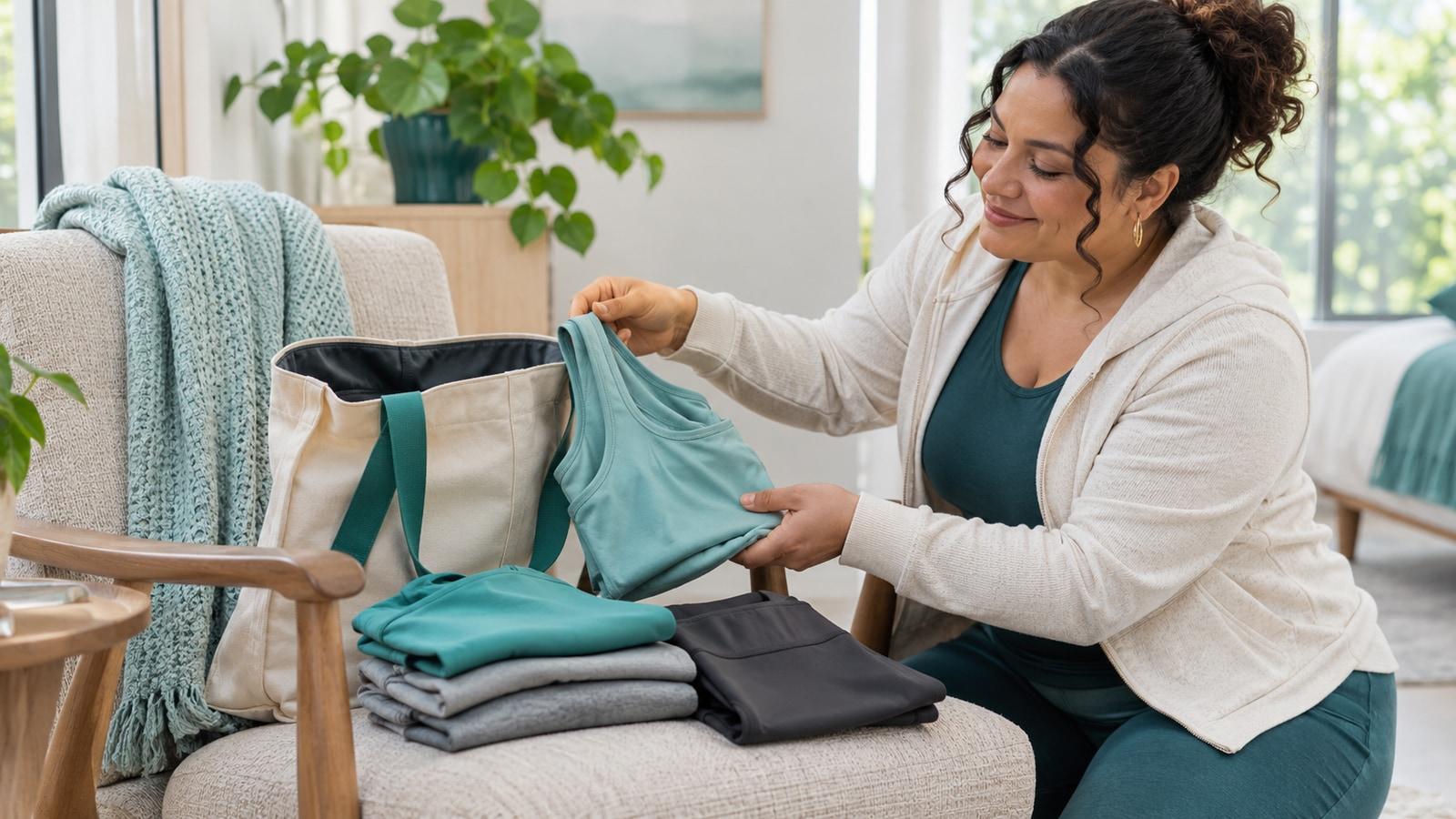
You put on a favorite pair of workout leggings and notice the waistband sits exactly where your scar feels tender. Or a shirt seam catches when you lift your arm. Suddenly, the clothes you normally forget about are the main thing you can feel.
Finding a more comfortable outfit can make movement easier to enjoy, but clothing is only one part of the picture. If your scar follows a recent operation or injury, start with the activity and wound-care instructions from the team looking after you. A comfortable shirt doesn't mean every movement is ready to resume.
Know whether you're caring for a wound or a scar
The terms often get used interchangeably, but a healing wound and a fully healed scar may need different care. If the skin is still open, draining, covered by a dressing, or recently closed, follow your clinician's specific instructions about cleaning, covering, and movement.
Ask when you can return to the activities you have in mind. Restrictions can depend on the location of the wound, the procedure or injury, and your recovery. Don't use a generic timeline from a friend or a fitness video in place of your own instructions.
Once a wound has healed, the scar may still feel sensitive, itchy, tight, or numb. Those sensations can change over time. If you're unsure whether what you're feeling is expected, contact the team that treated you.
Find the spot where fabric catches
Try on the clothes you already own and notice where seams, waistbands, straps, or closures sit. A shirt can feel fine while you're standing still but rub when you reach forward. A waistband may be comfortable at home and less comfortable when you sit or bend.
If your care team has cleared the movements, try a few gentle versions of the motions you'll do in class. Raise your arms, sit down, or take a few steps. You're looking for friction or pressure, not testing how much discomfort you can tolerate.
Small changes may be enough: a looser waistband, a different shirt length, or a top with the seam positioned away from the sensitive area. The right choice depends on where your scar is and how you move. There isn't one garment that works for everyone.
Choose fabric for comfort, not a label
Look for material that feels comfortable against your skin and stays in place without rubbing. Some people prefer a soft, smooth layer; others are more comfortable in loose clothing with less contact. You may need to try a few options to find out what suits you.
If you use a dressing or a prescribed compression garment, ask your care team how workout clothing should fit over it. Don't remove, replace, or tighten a prescribed garment just to make an outfit work. If the dressing becomes loose or irritated, follow the instructions you were given and contact the team when needed.
You don't have to buy a new wardrobe. An older shirt with a softer seam or shorts with an adjustable waistband may be worth trying first. If you do shop, check the return policy and try the garment at home with the movements your clinician has cleared.
Plan for the activity and the setting
Different activities put pressure on different places. A seated cycling class may make you notice a waistband or seat contact. A stretching class may reveal a seam that pulls near a shoulder. For an outdoor walk, clothing may also protect a scar from the sun.
Think about the entire session, including getting dressed and changing afterward. If a garment is difficult to pull on without stretching a healing area, choose an easier option or ask for help. Your team can advise on movement restrictions and ways to adapt the activity.
Sweat and heat can make any area feel more uncomfortable. If clothing becomes damp or rubs during a session, pause and change the arrangement rather than pushing through. Follow your own wound-care instructions about washing, drying, and dressings after activity.
Don't ignore a change in the skin
A little sensitivity doesn't tell you everything about how a wound is healing. Contact your care team if you notice a new or worsening concern, such as increasing pain, redness, swelling, drainage, or the wound opening. They can tell you how urgently it needs to be checked.
Avoid putting a cream, adhesive, or new product directly on a healing area unless it fits the instructions you've been given. Products that help one person may irritate another, and some scar-care techniques are intended only after a wound is fully healed. Ask before trying massage or a new dressing.
If sensitivity continues after healing, a clinician or therapist may be able to assess it and suggest an individual approach. You don't have to accept ongoing pain as the price of getting back to movement.
Make a low-pressure return
If you've been cleared to exercise, tell your instructor you may need to adjust a movement; you don't have to share the details of your surgery or injury with the whole class. Choose a position where you can step out or pause easily, and keep a comfortable alternative garment nearby if that helps.
Notice how the area feels later as well as during the activity. Bring any questions to your care team, particularly if your symptoms change. The aim is to find a combination of movement, support, and clothing that fits your recovery.
You deserve to feel comfortable while you return to the activities you enjoy. A small adjustment to a seam or waistband can help, and your clinician's guidance can help you decide what comes next.