










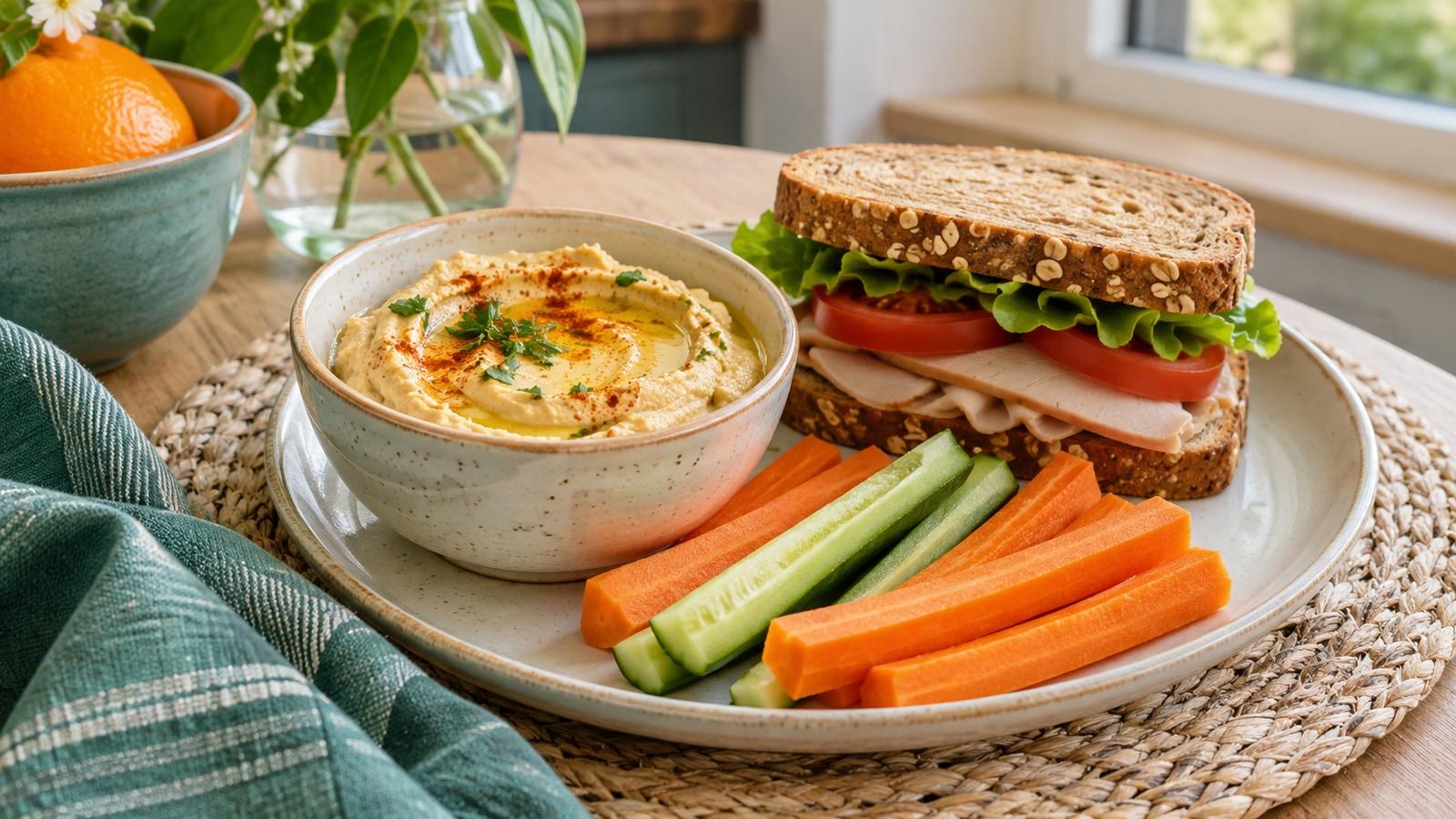
Hummus, guacamole, yogurt dip, salsa, cheese spreads: the refrigerated section offers plenty of ways to add flavor to a snack or lunch. The tubs can look similar, but the ingredients and nutrition can be quite different.
A dip can be a convenient part of a meal. It doesn't have to do every job on the plate, and you don't have to find one “best” tub. Start with what you like to eat with it, then use the label to answer the questions that matter to you.
What's the dip made from?
Hummus is commonly made with chickpeas and tahini, though recipes vary. Guacamole is usually avocado-based. A yogurt dip may contain dairy and seasonings; a cheese spread will have a different ingredient list. Salsa can contain tomatoes, peppers, herbs, and other ingredients. Check the actual package rather than assuming every version is made the same way.
Taste and texture matter. A smooth dip may work well with a sandwich or wrap; a chunkier one might be appealing with crackers. If garlic, spice, or a rich texture doesn't sit well with you, another variety may be more comfortable. Choose something you'll enjoy rather than forcing a tub into the refrigerator because it looked virtuous online.
If you have a food allergy, inspect the ingredient and allergen information. Hummus may contain sesame, yogurt or cheese dips contain milk, and a product may include other ingredients you need to avoid. Recipes can change, even for a familiar brand.
Read the serving before the numbers
The Nutrition Facts label tells you the amount used for its listed values. For dips, that may be a small measure such as a few tablespoons. If you use more or less, the nutrients and calories you consume change accordingly.
Consider a fictional label: a dip has 100 milligrams of sodium in a two-tablespoon serving. If you use four tablespoons, that's two label servings and about 200 milligrams of sodium from the dip. Another brand may use a different serving size, so compare the amounts before deciding which has less.
You don't need to measure every scoop. The purpose of the example is to make the label easier to interpret, especially if you're comparing products or following advice about sodium. A serving size is a reference amount, not a limit.
Protein claims need context
A tub might feature “protein” prominently, but the amount in the portion you actually eat can be modest. Look at the grams of protein per serving and consider the rest of your meal. Dips based on beans, yogurt, or cheese differ in ingredients and nutrition, and two products with the same name can differ as well.
For a more substantial lunch, you could use hummus in a pita with chicken, tofu, or additional beans and vegetables. A yogurt dip could go alongside a baked potato and another protein you enjoy. Guacamole might add flavor to a rice-and-bean bowl. Those are ideas, not rules; adjust for your preferences and dietary needs.
If a small snack is all you want right now, crackers and dip may be enough for the moment. If lunch is still several hours away, adding another food may make the snack more useful. Pay attention to your own routine rather than expecting a dip to behave like a complete meal.
Consider sodium, fat, and ingredients together
Sodium can vary widely among dips and the foods served with them. If it's a concern for you, compare similar serving sizes and think about the full snack: the crackers or chips contribute their own nutrients and sodium, too.
Fat content also varies. Avocado- and seed-based dips provide a different mix of fats from some dairy-based spreads. A richer dip isn't automatically off-limits. If large or rich meals feel uncomfortable while you're taking a GLP-1 medicine, you might try a portion that feels manageable and see what works for you. Persistent nausea or difficulty eating enough should be discussed with your care team.
Look for a product you can use in several ways. A dip that's good with vegetables might also work in a sandwich. A salsa you enjoy with eggs might finish a bowl of beans and rice. Familiar uses make it more likely the tub gets eaten before it needs to be discarded.
Keep the cold case cold
Choose a sealed package from a properly refrigerated case and follow its storage instructions. Get it home and into the refrigerator promptly. Perishable foods generally shouldn't sit at room temperature for more than two hours, or one hour when the temperature is above 90°F.
For a gathering, spoon a small amount into a separate bowl and keep the rest refrigerated. Use a clean utensil to serve, and follow the package's directions for storage after opening. If a refrigerated dip has been left out too long, throw it away; smell or appearance alone can't establish that it is safe.
If you're packing lunch, an insulated bag with a cold source can help keep a refrigerated dip chilled until you can put it back in a refrigerator. Check the package for any additional handling directions.
Buy the tub that fits your week
Compare the price per ounce, but consider how much you'll use before the package needs to be discarded. A smaller container may make more sense for one person, even if a larger tub costs less per ounce.
Pick a flavor you like, pair it with foods that make sense for the occasion, and store it safely. The dip doesn't have to carry the whole meal to be worth bringing home.