










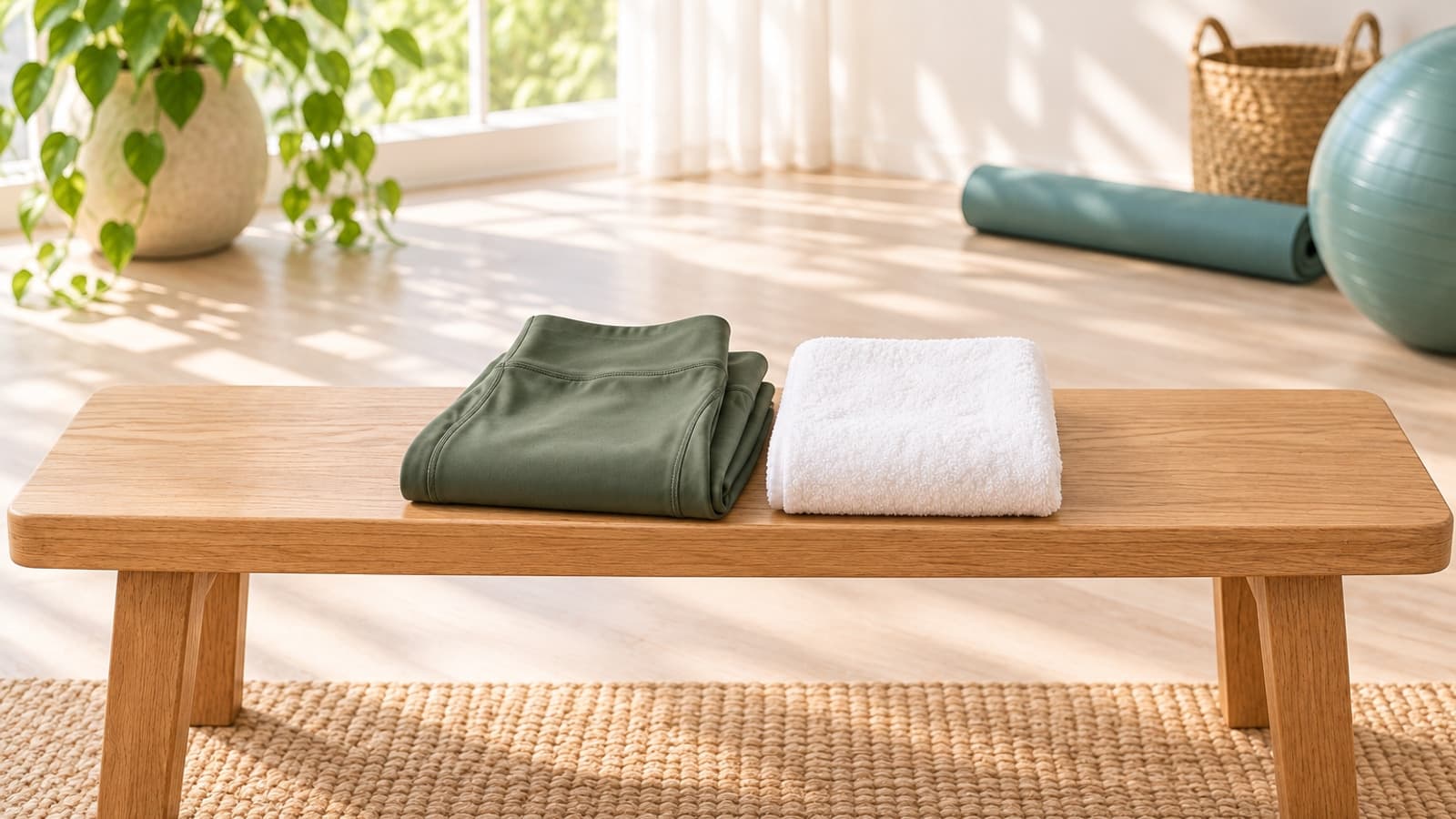
Compression tights and sleeves are easy to spot at the gym. They promise a lot on the packaging, and the idea of pulling on a pair after a hard workout can sound much simpler than planning a recovery day.
A snug pair of tights is not a recovery plan by itself. Whether you enjoy wearing one is a personal choice, and the research doesn’t support a guarantee that every garment will make every workout easier to recover from.
What has been studied?
Researchers have tested different garments, pressures, activities and measurements. In one small crossover study, 19 resistance-trained male handball players wore compression tights after a demanding exercise session. The researchers found smaller reductions in certain measures of lower-body strength and power during recovery under that protocol.
That result doesn’t tell us that a particular pair of store-bought leggings will have the same effect after your neighborhood walk. Another trial in 34 men who were not regularly strength training found no recovery improvement from medical-grade compression compared with a placebo garment after an unfamiliar workout. It also raised questions about some training adaptations measured in that setting.
These are different studies with different participants and clothing. Some people may like how compression feels; others may not notice a difference. Neither personal preference nor a single trial establishes a universal result for soreness or performance.
Fit should feel manageable
Athletic compression clothing should be comfortable enough for you to move and breathe normally. Check whether a waistband rolls down, a seam rubs, or the fabric digs in when you sit. Sizing charts vary between makers, so use the measurements and return policy for the item you’re considering rather than assuming your usual size will fit the same way.
Take the garment off if it causes pain, new numbness, tingling, skin irritation or a concerning color change, and seek medical advice about those symptoms. If you have a circulation or skin condition, reduced sensation or another medical concern, ask your clinician before trying compression.
Keep athletic wear separate from medically prescribed compression. If you’ve been given a prescribed garment, follow the fitting and wear instructions from your care team and contact them about new discomfort. Don’t change the pressure or wearing schedule because a workout article suggested a different approach.
Do you need to buy it?
Not necessarily. If you already have a comfortable pair you like, there may be no reason to replace it. If you’re curious, think about whether you would wear it for comfort even without a noticeable change in soreness. An expensive label or a tighter fit doesn’t prove a better result for you.
Pay attention to the whole week as well. Have you recently added several workouts, slept less or had trouble eating enough? Those details may tell you more about how you feel than whether you wore a sleeve on Tuesday. A garment cannot make an unsuitable training load appropriate.
Your body may also need a different plan during GLP-1 treatment. If nausea, vomiting or difficulty drinking interferes with activity, discuss it with your care team. Don’t treat unusual fatigue or persistent pain as something to cover up with another layer.
Choose what helps you stick with movement
For some, comfortable clothing makes it easier to settle into an activity. For others, loose shorts and a familiar shirt are the better choice. Both are fine. Give yourself time to rest, eat and drink in a way that supports your routine, and ask for advice if recovery is consistently difficult.
Our guide to soreness and rest offers a broader look at what to do between workouts. Clothing can be one small part of that picture, not the thing everything depends on.