










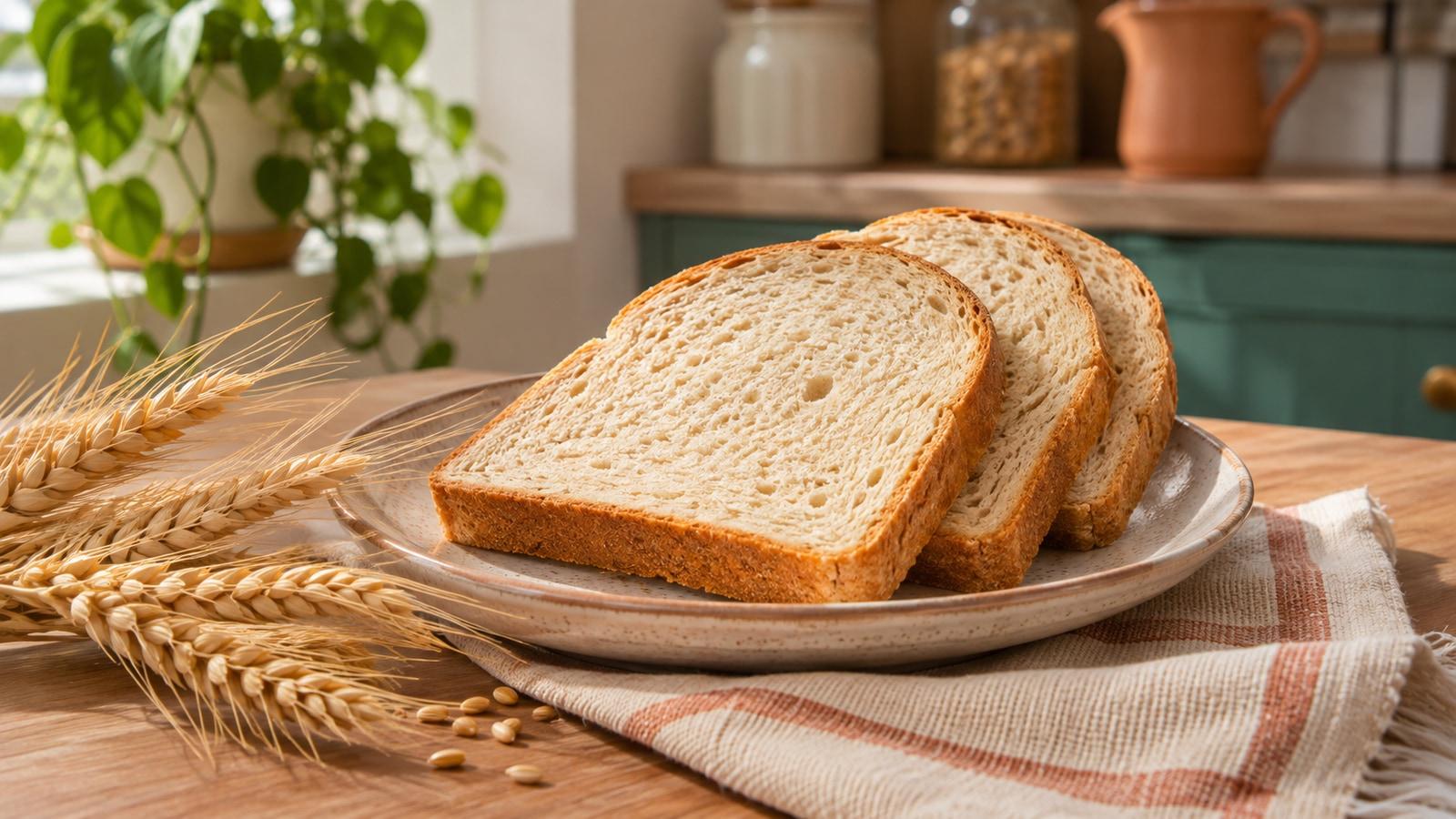
If you're taking a GLP-1 medicine and rethinking your meals, you may have wondered whether bread, pasta, or other foods with gluten need to go. For most people, GLP-1 treatment by itself is not a reason to avoid gluten.
There are important exceptions. People with celiac disease need a gluten-free diet, and some people avoid certain foods for other medical reasons. The right choice depends on your history and symptoms—not on a rule that everyone using a weight-management medicine must follow.
What is gluten?
Gluten is a group of proteins found in wheat, barley, and rye. It shows up in many familiar foods, including some breads, pastas, cereals, and baked goods. It can also appear in foods where you might not expect it, depending on the ingredients and preparation.
Gluten-free eating is not the same as avoiding all carbohydrates. Rice, potatoes, and many other carbohydrate-containing foods don't naturally contain gluten. And a package labeled gluten-free isn't automatically more nutritious or lower in calories than another choice. It's a description that matters particularly to people who need to avoid gluten.
If you enjoy bread or pasta and don't have a medical reason to avoid them, you can discuss how they fit into an eating pattern that supports your goals. A meal doesn't have to pass a gluten test to be a sensible choice.
Celiac disease is a specific medical condition
For someone with celiac disease, eating gluten triggers an immune response that damages the small intestine. Following a gluten-free diet is part of treatment. It involves more than skipping a slice of bread; people may need to consider ingredients, food preparation, and cross-contact as advised by their care team.
If you already have celiac disease, continue the plan provided by your clinician or dietitian while discussing any new medicine or appetite changes. Ask for help if smaller portions or digestive symptoms are making it hard to find foods that work for you. Our celiac meal-planning guide covers shared kitchens and cross-contact in more detail.
Some people experience symptoms they associate with gluten without having celiac disease. Other conditions, including wheat allergy or different digestive problems, can require different approaches. A symptom on its own doesn't tell you which explanation is correct.
If you're considering testing, ask before changing your diet
If you have symptoms or a family history that makes you wonder about celiac disease, talk with a clinician about whether testing is appropriate. Starting a gluten-free diet before testing can affect the results, so discuss your situation before making that change.
If you've already stopped eating gluten, tell your clinician. Ask what that means for evaluation rather than trying to interpret a test or restart foods on your own. A medical history, relevant tests, and your clinician's guidance can help clarify the next step.
Keep the conversation specific. When do symptoms happen? Which foods were involved? Have there been changes in bowel habits, appetite, or weight? A short note can help your clinician understand the pattern, but it won't diagnose the cause by itself.
Digestive symptoms can have more than one explanation
Nausea, bloating, constipation, and other digestive symptoms deserve attention, but they don't automatically mean gluten is the problem. They can have several causes, including a change in eating habits, a medicine, or another condition.
If symptoms began or changed after starting a GLP-1 medicine, tell your prescriber. Explain when they occur, how severe they are, and whether you're able to eat and drink. Your clinician can help decide what needs evaluation. Avoid stopping a prescribed medicine or cutting out multiple foods solely to guess at the cause.
Seek urgent medical care if you cannot keep fluids down. Contact a healthcare professional promptly about persistent or worsening symptoms, and follow your care team’s instructions for other concerning symptoms.
Look at the meal as a whole
Sometimes a person feels better after changing a meal, but the reason isn't obvious. They might have changed the portion, the ingredients, the eating time, or several foods at once. Feeling different is worth mentioning; it doesn't prove that gluten was responsible.
If a food is difficult to tolerate, a dietitian can help you find practical alternatives while you and your clinician work through the cause. The aim is to make sure you can eat comfortably and get the variety you need, not to create a longer list of rules than your situation requires.
If you do need gluten-free options, there are many ways to build meals around foods you enjoy. Ask about label reading and preparation where cross-contact matters. Your care team can also help you consider nutrients and fiber as you make substitutions.
Choose the next question, not a blanket rule
“Should I stop eating gluten?” is often shorthand for a more useful question: “Why am I uncomfortable after meals?” or “How can I make my usual foods fit my goals?” Bring that question to your clinician or dietitian along with your current treatment and food preferences.
Unless you have a reason to avoid it, gluten doesn't need to become the focus of your GLP-1 routine. A thoughtful plan can leave room for familiar foods while taking symptoms and medical needs seriously.