










When dentures slip or rub, a meal can become more work than it should be. You might avoid a favorite food, chew on one side or find that eating takes so long you don't finish. If your appetite is already smaller, an uncomfortable fit can make it harder to get through an ordinary day.
An adjustment from a dentist may help, so don't assume you simply have to put up with discomfort. While you arrange care, think about temporary food choices that feel manageable and keep your care team informed if eating or drinking has become difficult.
Make an appointment about the fit
Tell the dental office what is happening: whether the dentures slip, click, cause a sore spot or make chewing difficult. Mention when the problem started and whether the dentures are new, damaged or have gradually become less comfortable. If a piece is broken, bring it to the appointment rather than trying to repair it yourself.
Your mouth can change over time, and dentures may need professional adjustment or replacement. A weight change can also be relevant to fit for some people. A dentist can examine your mouth and the appliance to work out what is causing the problem.
Ask what to do while you wait and whether you should wear the dentures before the appointment so the dentist can see any pressure areas. Follow the advice for your own situation rather than filing, bending or gluing the appliance at home.
Choose comfortable foods in the meantime
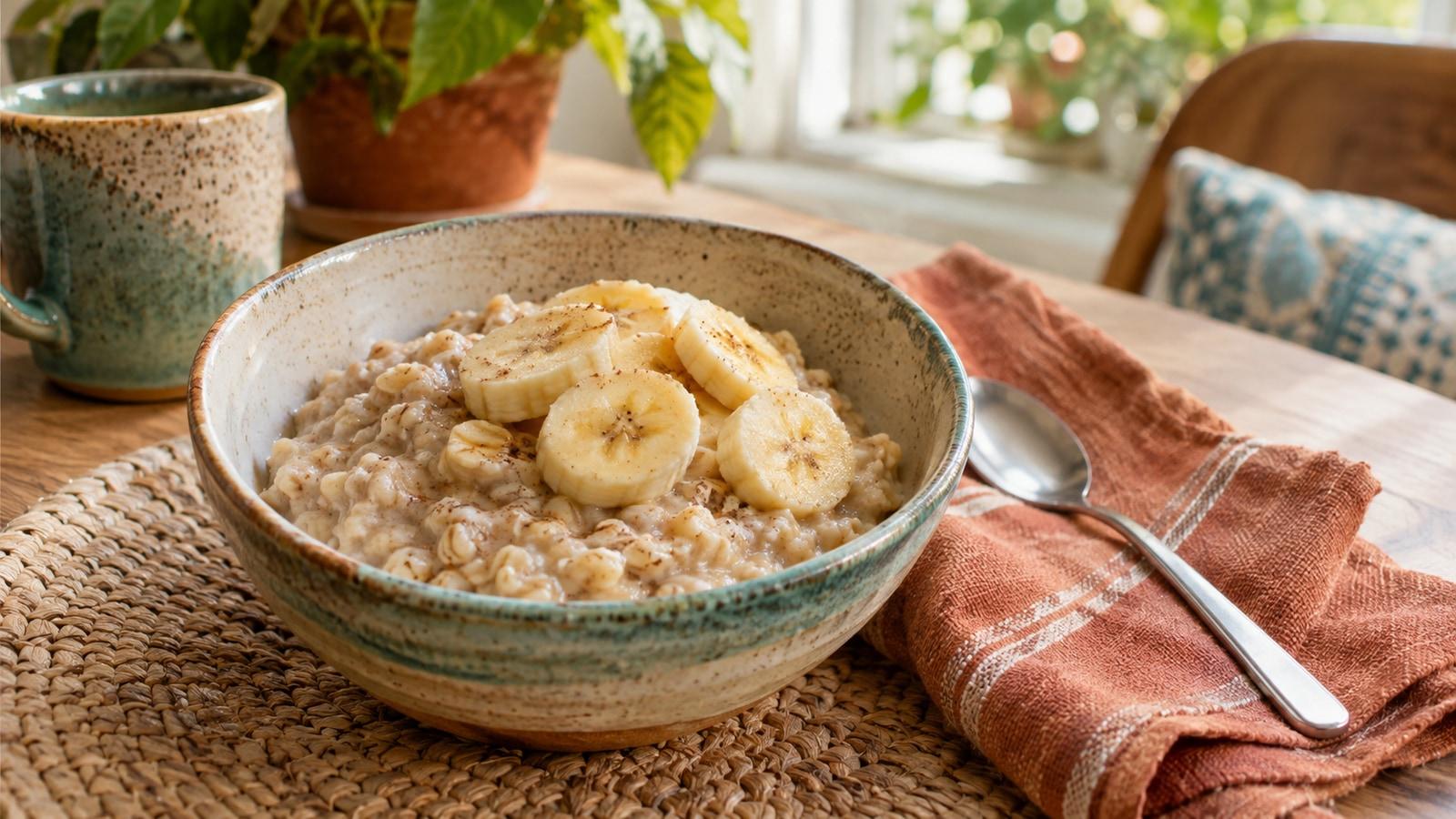
Soft, moist foods may be easier to manage while your mouth is sore. Depending on your preferences and any medical instructions, that might mean eggs, tender beans, yogurt, cooked vegetables or a meal with a sauce. Cutting food into smaller pieces can also make it easier to handle.
These are temporary ideas, not a list of foods you must eat. Choose flavors you enjoy and temperatures that feel comfortable. If a sore spot stings with a particular food, set that food aside for now and mention the symptom at your dental visit.
If you have a prescribed swallowing or texture-modified diet, follow the specific instructions from that team. A food that seems soft may not fit every swallowing plan. Ask before changing its texture or adding a thin sauce or drink.
Keep meals nourishing and realistic
If chewing is tiring, you may find that smaller meals or snacks fit the day better. Include familiar protein-containing options when you can, and ask a registered dietitian for ideas if your usual choices are no longer comfortable. A dietitian can work around your preferences, budget and any existing dietary restrictions.
If you're taking a medicine that has reduced your appetite, tell both the prescriber and dentist that the denture fit is making meals harder. A smaller appetite and chewing pain are separate issues that can happen together. Addressing only one may leave the practical problem unsolved.
You can make the conversation concrete: “My dentures slip when I chew, so I've stopped eating several foods and I'm not finishing meals.” If you're drinking less because your mouth hurts, mention that promptly too.
Ask about cleaning and adhesives
Follow your dentist's instructions for cleaning and storing your particular dentures. Ask how to clean the appliance and care for your gums and any remaining teeth. Regular dental visits still matter even if you have full dentures, because the dentist can examine your mouth and check the fit.
Adhesive may be useful for some people, but persistent slipping or pain should be assessed rather than covered up indefinitely with more product. Ask your dentist whether an adhesive is suitable and how to use it. Don't use household glue or attempt a repair that could damage the denture or your mouth.
If a cleaning product irritates your mouth, tell the dental team and ask what to use instead. Keep products in their original containers and follow the directions you've been given.
Watch for changes that need attention
Contact a dentist about pain, a denture that no longer fits, damage, very red or bleeding gums, or a sore that isn't improving. Explain whether you can eat and drink normally while waiting for an appointment. The office can advise how soon you should be seen and what to do in the meantime.
Seek urgent medical care for severe swelling, trouble breathing or difficulty swallowing. If you can't keep up with food or fluids because of mouth pain, contact your care team promptly rather than waiting for a routine checkup.
Plan for the appointment and the next meal
Bring the denture, any broken pieces and a short list of the foods or activities that have become difficult. Ask what adjustment is recommended, whether another visit will be needed and what to do if soreness continues.
For a different situation—planning meals after a dental procedure—see our soft-food guide for dental recovery.
Comfortable eating is worth addressing. With a fit check and a few temporary adjustments to meals, you and your dental team can work toward getting more of your usual choices back.