










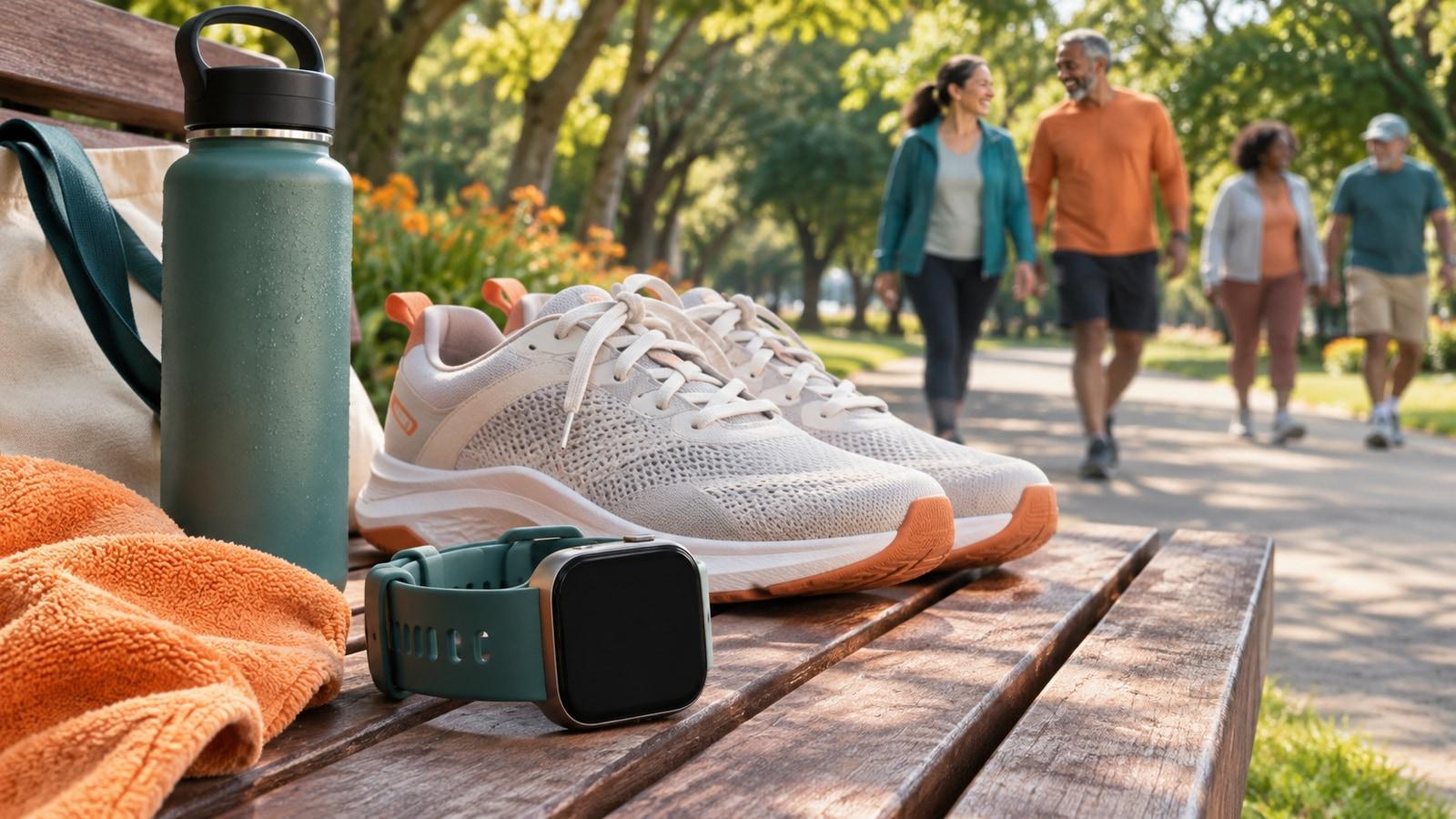
Your watch says you haven't reached the suggested heart-rate zone, but the walk already feels challenging. If you take a beta blocker, that mismatch is worth understanding. These medicines can slow the heart rate and change how it responds during activity, so a generic age-based target may not describe the right effort for you.
The answer isn't to push harder until the watch is satisfied. Ask the clinician who manages your care how to judge activity intensity with your specific medicine and health history.
Why the usual target may not fit
Many fitness apps estimate a target range from age and a general formula. Those numbers are averages. They don't account for every health condition, fitness level or medication.
Beta blockers can limit how much your heart rate rises during exercise. A person taking one may be working at a meaningful effort without reaching the number suggested by a generic chart. The effect varies, so there's no single correction you should apply on your own.
Your watch can still record information, but treat the automatic zone as a prompt to discuss with your care team rather than an instruction to increase speed. If you have a personalized target from a clinician, follow that plan and ask how to use it with your device.
Talk about the medicine and the reason you take it
Beta blockers are prescribed for different reasons. The condition being treated, other medicines and any symptoms matter when planning activity. Bring your medication list to the conversation and mention if anything has recently changed.
You might ask: “My watch says my heart rate is low for exercise, but I feel like I'm working. How should I judge effort while taking this medicine?” A clinician may recommend an individualized assessment or refer you to an exercise professional familiar with your condition.
Don't skip, stop or change the timing of a beta blocker to make your heart rate match a chart. If you think the medicine is affecting your activity or causing symptoms, contact the prescriber for guidance.
Use more than one clue
Your care team may suggest paying attention to how hard an activity feels and whether you can speak comfortably. A simple talk test can help describe effort: being able to talk in sentences generally feels different from struggling to say a few words. Ask what level is appropriate for you rather than treating the test as a diagnosis.
Notice your breathing, fatigue and ability to recover after slowing down. These observations can help you explain a session to your clinician. They don't replace any individualized limits you've been given, and some health conditions can change how symptoms should be interpreted.
Start with activities and durations your team considers suitable. If you're new to movement or returning after a break, a gradual approach may be easier to assess than a sudden increase. Rest when you need to and keep the activity within a setting where you feel secure.
Make the watch work for you
If your device allows a personalized range, ask your clinician whether you should change the default. You might also use it to record time, route or how you felt instead of chasing a colored zone. A number can be useful context without being the sole measure of a worthwhile session.
Keep a short note if you notice a pattern: the activity, how hard it felt, the reading and any symptoms. Bring the note to a follow-up rather than repeatedly testing your limits to produce a higher number.
If an alert appears unexpectedly, slow or stop and check how you feel. Follow your clinician's instructions for your condition and contact the team about readings or symptoms that concern you.
Know when to stop and seek help
Chest pain or pressure, dizziness, faintness, unusual shortness of breath or another new symptom during exercise deserves attention. Stop the activity and follow your care plan. Severe chest pain, significant breathing difficulty or fainting can be an emergency; call 911 when appropriate.
If symptoms are less severe but new or recurring, contact your clinician promptly and ask what activity is appropriate while they are assessed. Don't assume a lower heart-rate reading means it's safe to continue despite feeling unwell.
Plan around your life, not the default setting
Movement might be a walk, a class, wheeling, swimming or another activity you enjoy and can access. Your care team can help you choose an approach that fits your condition, medication and goals. If you're also using a GLP-1 treatment, mention any nausea, reduced intake or other issue that makes activity harder to manage.
At follow-up, share what felt comfortable and what didn't. Ask whether your plan needs adjustment if your medicine or health changes. The useful target is an individualized level of effort, not a number your watch selected without knowing your care plan.