










You buy a box of berries with good intentions. Three days later, half are soft and the rest have disappeared into the back of the refrigerator. Next week, a bag of frozen fruit might be a better purchase.
Fresh, frozen and canned fruit can all be useful choices. The best one for a particular week may depend on how soon you'll eat it, how much room you have and what tastes good to you.
Fresh: convenient when you'll eat it soon
Fresh fruit is easy to grab, and some varieties travel well. An apple or orange can go in a bag; berries or cut melon might be better suited to a container and a refrigerator.
Think about your actual schedule before buying a large package. If you shop once a week, you might use delicate fruit early and keep sturdier options for later. Buy what you can reasonably finish rather than treating a full produce drawer as the goal.
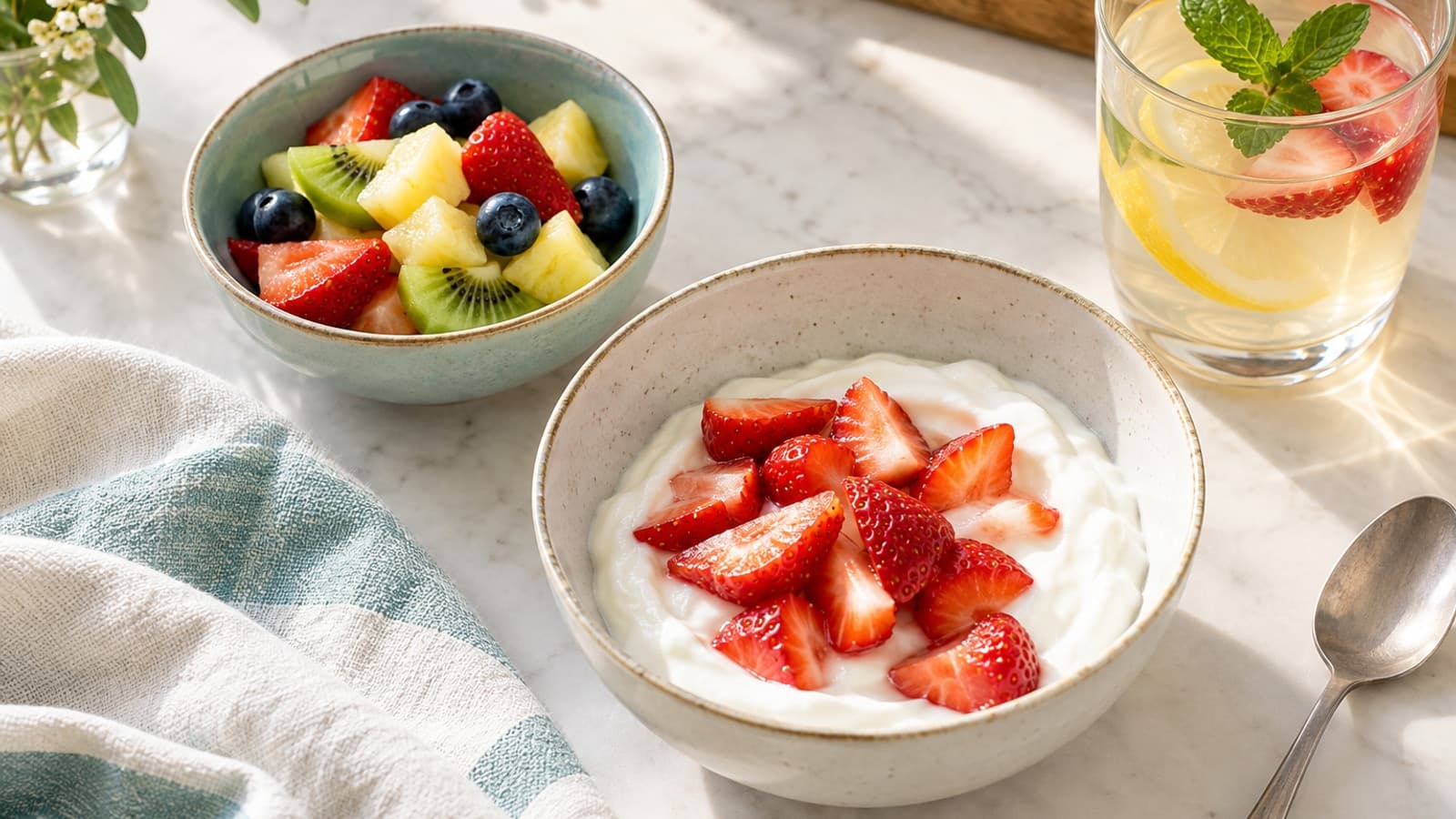
Wash fresh produce before preparing or eating it. Once fruit is cut, keep it covered and refrigerated. If you enjoy it with yogurt, oatmeal or a handful of nuts, those are easy combinations; fruit doesn't need a complicated recipe to count.
Frozen: ready when you are
A bag of frozen berries, mango or peaches can wait for a day when the fresh supply is gone. You can use a small amount and return the rest to the freezer, following the package storage directions.
Frozen fruit works in oatmeal, a smoothie or a bowl of yogurt. Texture may change as it thaws, so it can be especially handy when a softer fruit works for the dish. Check the package for any preparation instructions rather than assuming every frozen product is meant to be eaten straight from the bag.
Frozen doesn't automatically mean less nutritious. In one study comparing several fresh and frozen fruits and vegetables over storage, the results depended on the food and nutrient measured, and most tested items showed no significant difference in the measured components. That doesn't mean every product is identical, but it gives you permission to choose convenience when it helps.
Canned: a pantry backup
Peaches, pears, mandarin oranges and other canned fruits can be useful when refrigerator space, shopping time or fresh selection is limited. Look at the packing liquid and ingredients. Options packed in water or 100% juice are available; other products may include syrup or other sweeteners.
The Nutrition Facts panel can help you compare similar products. “Added sugars” are already included in the “total sugars” number. Our food-label guide explains how to use the rest of the panel.
Once opened, move unused fruit to a covered container and refrigerate it. Follow the package instructions for storage and use. If a can is bulging or badly damaged, don't taste the contents to see whether they're safe.
Make the choice fit a smaller appetite
If you're taking a GLP-1 and a big bowl sounds like too much, start with a portion that feels comfortable. A few peach slices beside cottage cheese, berries stirred into oatmeal or fruit served after a meal may be easier to manage than a large serving by itself.
You can mix forms across the week. Fresh bananas for breakfast, frozen berries for a later bowl and canned pears in the pantry give you options without requiring another grocery trip. If a particular texture or food doesn't sit well, pick a different one.
Compare unit prices where they're shown, but also consider waste. The least expensive package per ounce isn't a saving if most of it goes unused. Store brands and seasonal choices can be worth a look.
The goal is fruit you enjoy and can keep on hand. Choose the form that fits your kitchen today; you can choose differently next week.