










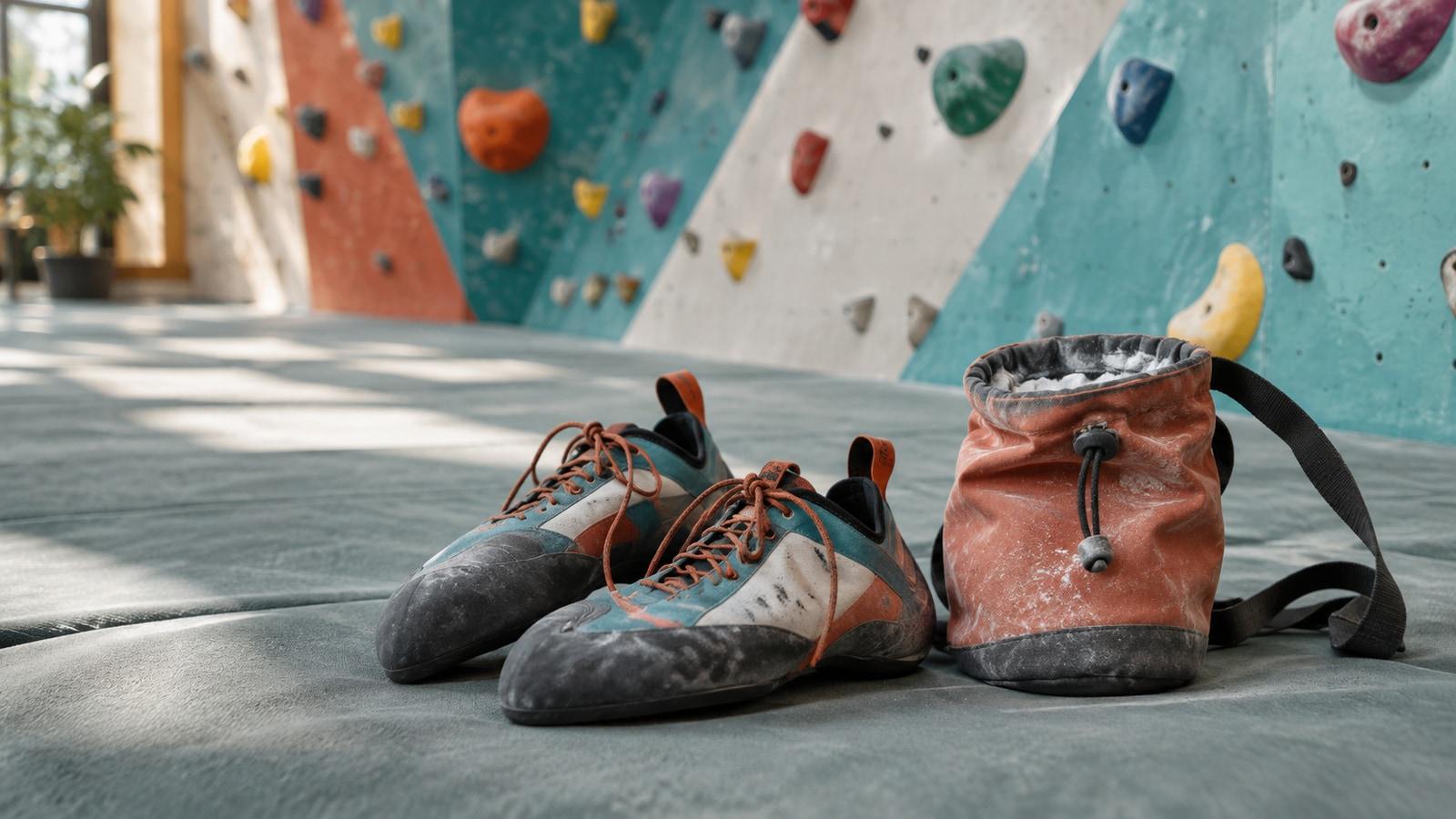
From the floor of a climbing gym, the wall can look like a puzzle somebody scattered across a very tall room. Colored holds go in every direction, people are speaking a language of routes and grades, and you may wonder whether you're supposed to know what to do before you arrive.
You aren't. A good beginner session starts with an introduction to the space, the equipment and the safety procedures. Your first goal can be as simple as trying a few moves and deciding whether you enjoy them.
Choose the kind of climbing you want to try
Indoor gyms often offer more than one format. In top-rope climbing, a rope runs through an anchor above the climber and is managed through a belay system. Bouldering usually involves shorter climbs without a rope, above a padded floor. Some facilities also have automatic belay devices.
Each format has its own risks and instruction. A padded floor doesn't make a fall harmless, and a rope system only works as intended when it is used correctly. Ask the gym what a first visit includes and which activities are supervised. Don't try to learn rope or belay procedures from this article.
If heights are a concern, tell the instructor. You can ask to start low and practice coming down under their direction. You don't have to reach the top of a wall for the visit to count.
Ask about fit before booking
Call or message the gym with the practical questions that matter to you. Are beginner lessons available? Can you rent shoes and a harness? What sizes and equipment options do they carry? Are there facility-specific weight ranges for the devices you'll use?
Ask these questions without assuming the answer. Equipment and facilities vary, and staff can explain their own specifications. A harness should fit correctly and be checked by a trained instructor. Climbing shoes should be secure enough for the activity without causing pain; ask staff to help you find a suitable pair.
You can also ask about accessibility, stairs, parking, changing areas, quiet times and the cost of a trial session. If you need a particular communication method or physical accommodation, explaining it ahead of time gives the gym a chance to discuss options.
Take the orientation seriously
Pay attention to where people may fall, where to stand while waiting, and how the gym wants climbers to move through the space. Before a roped climb or automatic-belay climb, follow the instructor's complete check every time. If you're unsure whether you are connected correctly, stop and ask a staff member to check. Never assume a device has been attached because it is hanging nearby.
For bouldering, ask how to descend and how the gym teaches landing. Stay clear of the area beneath other climbers. Mats reduce some impact but do not eliminate injury risk.
It is fine to ask the instructor to repeat a demonstration. Safety procedures are a skill to learn, not something you should be expected to guess from watching the person beside you.
Start with the movement, not the grade
Route grades are rough guides to difficulty, not a judgment of your fitness or body. Holds can feel different depending on their shape and the movement required. Pick an introductory route with your instructor and take time to understand where your feet and hands can go.
Climbing can ask a lot of your fingers, wrists and shoulders, especially when the movements are unfamiliar. Rest between attempts, avoid forcing a painful grip, and let the instructor know if something hurts. If you have an injury or a condition that affects movement or balance, ask a qualified clinician what to consider before trying it.
You might enjoy solving one short sequence several times more than chasing a harder route. Stopping while you still feel comfortable can leave you interested in coming back.
Make the first visit comfortable
Wear clothes that let you move and follow the gym's advice about jewelry and loose items. Bring water unless your care team has given you different fluid instructions. If a GLP-1 medicine makes you nauseated or lightheaded, consider how you feel that day and talk with your care team about persistent symptoms.
You can go with a friend, but you don't need an experienced partner if the gym offers instructor-led sessions. Ask whether the class includes breaks and how long you'll spend actively climbing. A welcoming instructor should be willing to explain the setup without rushing you.
Decide whether you want a second visit
Afterward, think about what you liked: the movement, the problem-solving, the atmosphere or simply trying something new. If a harness didn't fit or a class moved too quickly, ask whether another option is available. If climbing isn't enjoyable, you haven't failed at exercise; you've learned something about your preferences.
A beginner lesson, a properly fitted setup and patient instruction give you a chance to explore the wall on your own terms. The route will still be there next time.