
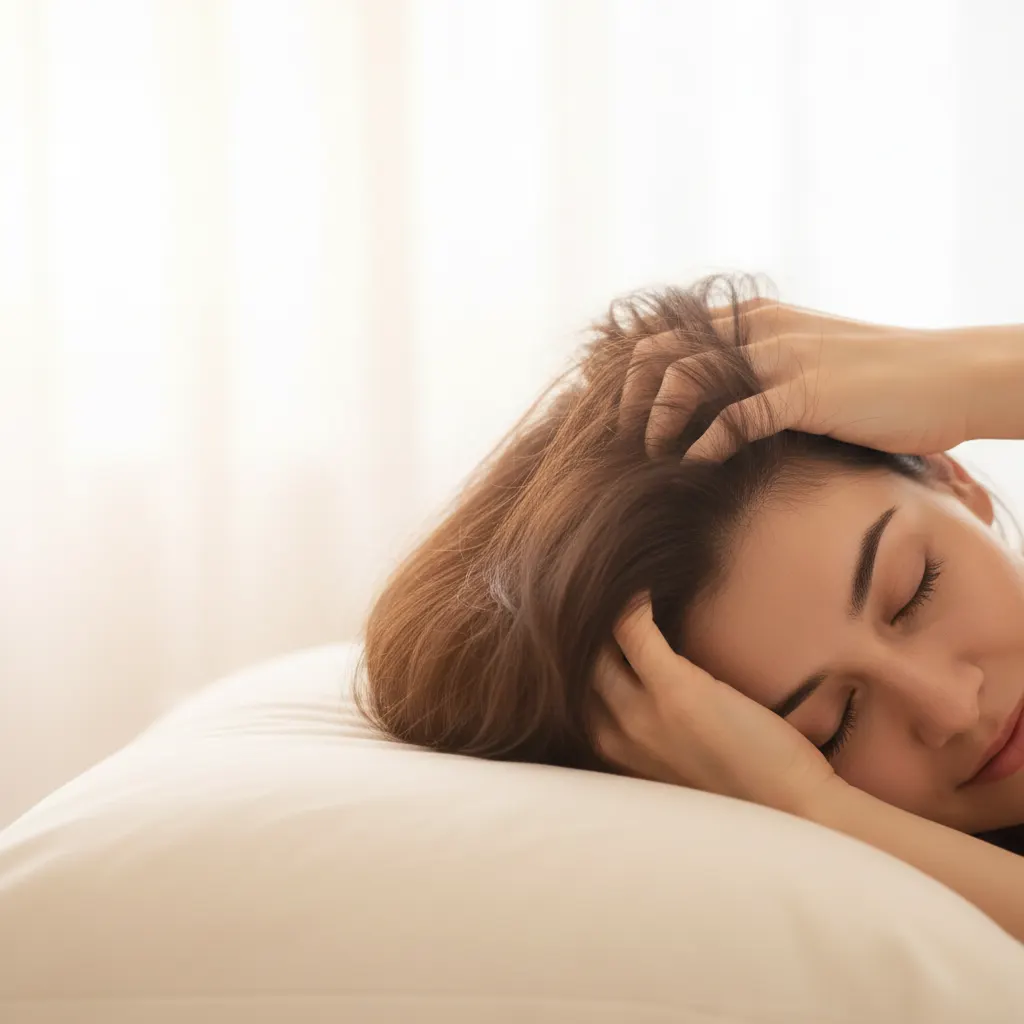
Every sunrise is a chance to start over, and that includes giving your hair the fresh start it deserves. If you’ve noticed more strands on your pillow or in your shower drain, you might be wondering: is this normal hair shedding, or is it something more significant, like hair loss? It's a common question, and understanding the difference is the first step towards clarity and renewed confidence.
At Fresh Day Meds, we believe in empowering you with knowledge, making daily care simple, accessible, and inspiring. Let's dive into the nuances of hair shedding and hair loss, so you can approach your hair health journey with optimism and purpose.
The Natural Cycle of Hair: Shedding is Normal
Our hair is constantly cycling through growth, rest, and shedding phases. This is a perfectly natural and healthy process. On average, a person can shed anywhere from 50 to 100 hairs a day. This shedding is part of your hair follicles resetting themselves, making way for new, healthy strands to grow.
Think of it as your body's natural renewal process. Just like the leaves on trees change with the seasons, your hair goes through its own cycles. When your hair is simply shedding, those fallen strands are typically replaced by new growth, maintaining a relatively consistent hair density.
When Shedding Becomes Hair Loss: Recognizing the Signs
While some shedding is normal, true hair loss occurs when the rate of shedding significantly exceeds the rate of regrowth, or when the new hair growth is weaker, thinner, or doesn't grow back at all. This can lead to noticeable thinning, receding hairlines, or bald spots. Understanding these signs is crucial for taking timely action.
Key Differences to Look For:
- Quantity: Are you suddenly losing much more hair than usual? If you're consistently pulling out large clumps, or your brush is full after every use, it might be more than normal shedding.
- Pattern: Normal shedding is usually diffuse, meaning hair falls out evenly across the scalp. Hair loss often follows specific patterns, such as a receding hairline, widening part, or thinning at the crown (common in male pattern baldness).
- New Growth: With normal shedding, you'll still see short, healthy new hairs growing in. If your hair is thinning or you're seeing fewer new hairs, that's a key indicator of hair loss.
- Hair Texture: Hair loss can sometimes be accompanied by changes in hair texture, such as new growth appearing finer or weaker than before.
Common Causes of Hair Loss
Hair loss can be triggered by a variety of factors, from genetics to lifestyle. Understanding the potential causes can help you and your healthcare provider determine the best course of action.
Hormonal Changes
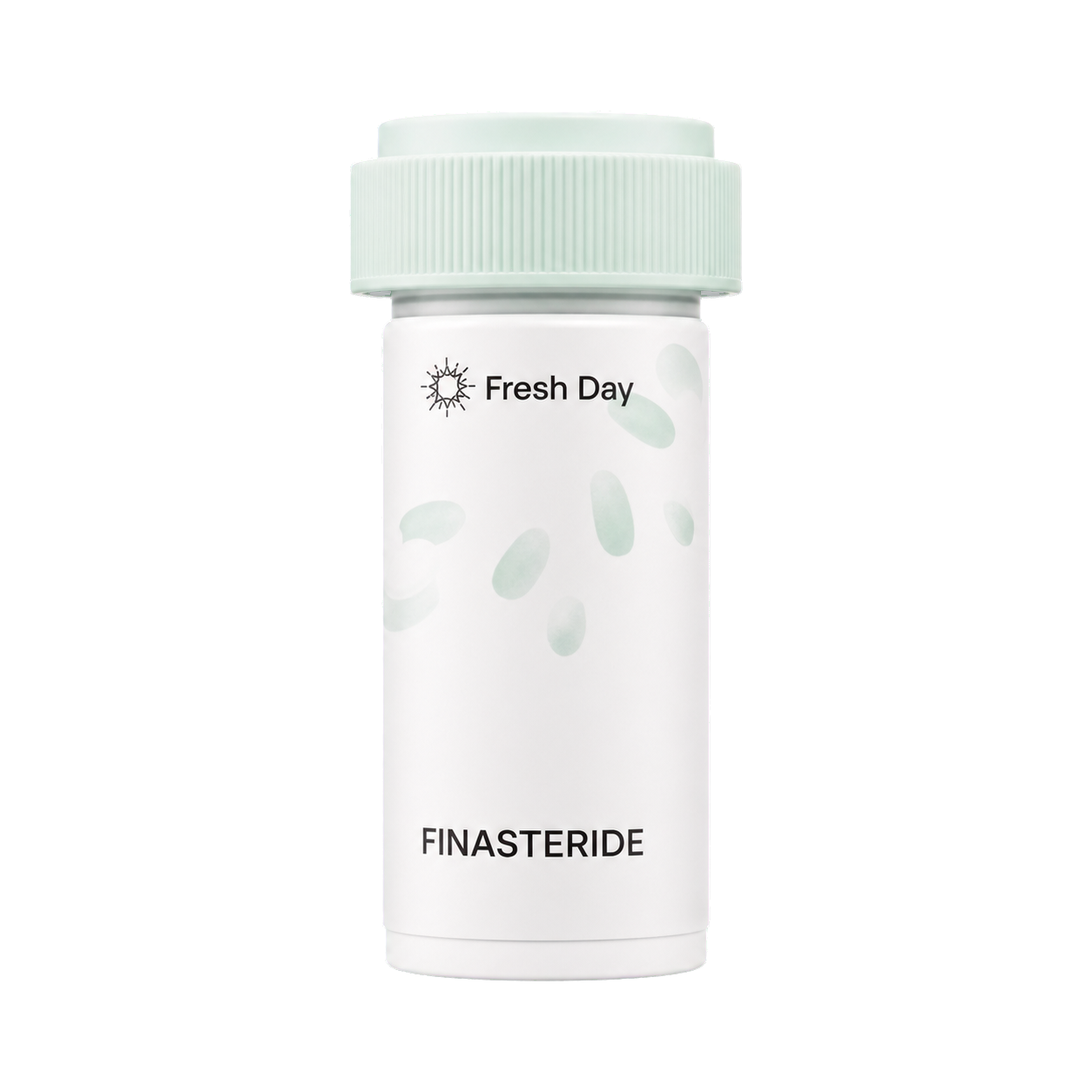
Fluctuations in hormones, especially androgens, play a significant role in conditions like androgenetic alopecia, commonly known as male pattern baldness. This genetic condition causes hair follicles to shrink over time, leading to thinner, shorter hairs and eventually cessation of growth. Products like Finasteride work by blocking the conversion of testosterone to DHT, a hormone linked to hair loss.
Stress
Significant physical or emotional stress can lead to a temporary type of hair loss called telogen effluvium. This causes a large number of hairs to enter the resting (telogen) phase prematurely, leading to increased shedding a few months later. Managing stress through daily wellness routines can certainly help.
Nutritional Deficiencies
Your hair needs a balanced intake of vitamins and minerals to grow strong and healthy. Deficiencies in iron, zinc, biotin, and vitamins D and B can contribute to hair thinning and loss. A well-balanced diet is a cornerstone of overall vitality.
Medical Conditions and Medications
Certain medical conditions, such as thyroid disorders, autoimmune diseases, and scalp infections, can cause hair loss. Similarly, some medications, including certain antidepressants and blood thinners, can have hair loss as a side effect.
Lifestyle Factors
Poor hair care practices, such as excessive heat styling, tight hairstyles, and harsh chemical treatments, can damage hair and lead to breakage, mimicking hair loss. Additionally, factors like smoking and excessive alcohol consumption can impact overall hair health.
Taking Action: Your Path to Thicker, Fuller Hair
If you're concerned about hair loss, the best first step is to consult with a healthcare professional. They can help diagnose the root cause and recommend a personalized treatment plan. Remember, change doesn't start on Monday—it starts today.
Effective Solutions for Hair Regrowth
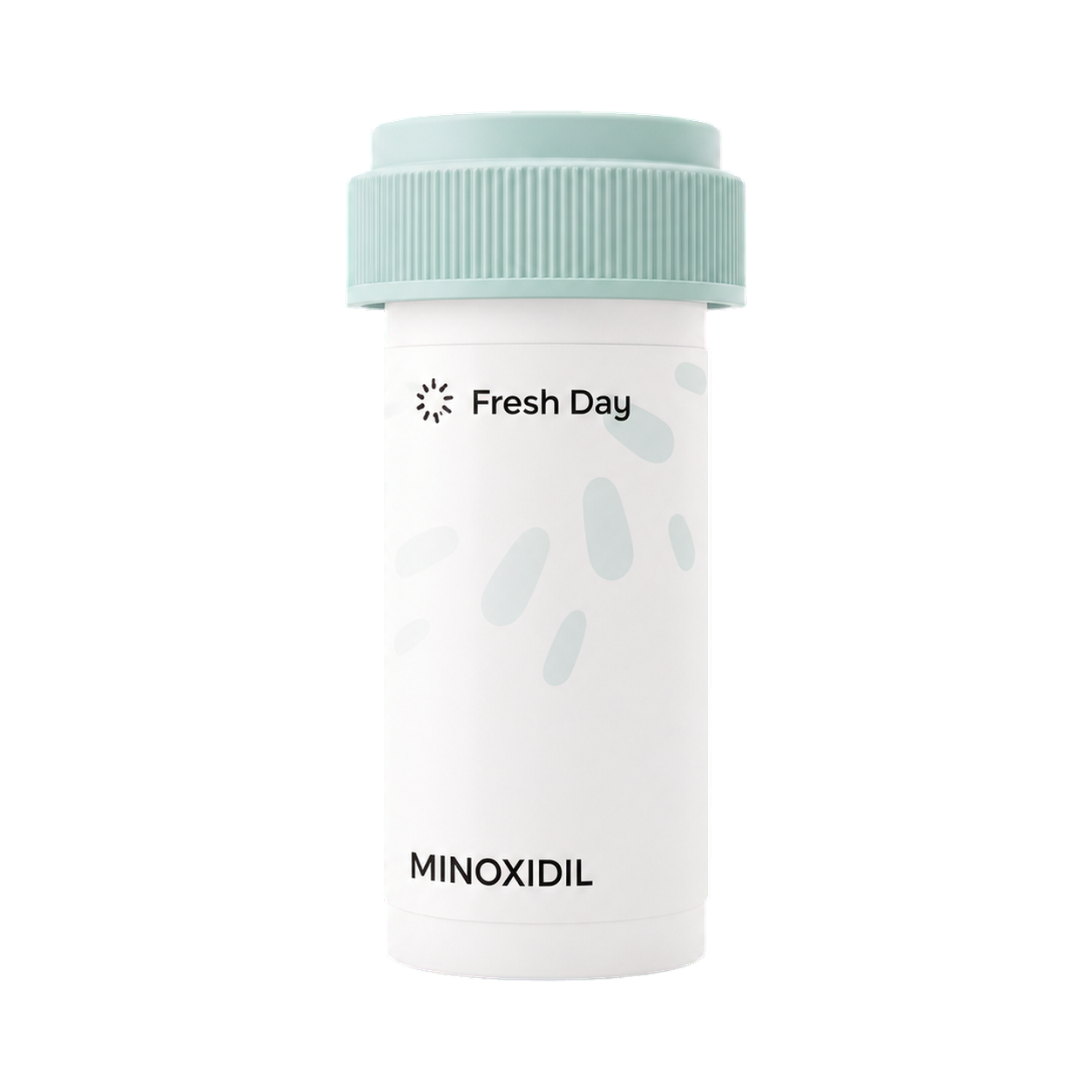
At Fresh Day Meds, we offer supportive, science-backed solutions to help you achieve your hair health goals. Products like Finasteride and Minoxidil are often recommended for their effectiveness in stimulating hair growth and preventing further loss. Finasteride works internally to address hormonal factors, while Minoxidil is a topical treatment that revitalizes hair follicles.
- Finasteride: Often prescribed for male pattern baldness, Finasteride helps to reduce DHT levels, which can lead to hair regrowth and slow down further loss.
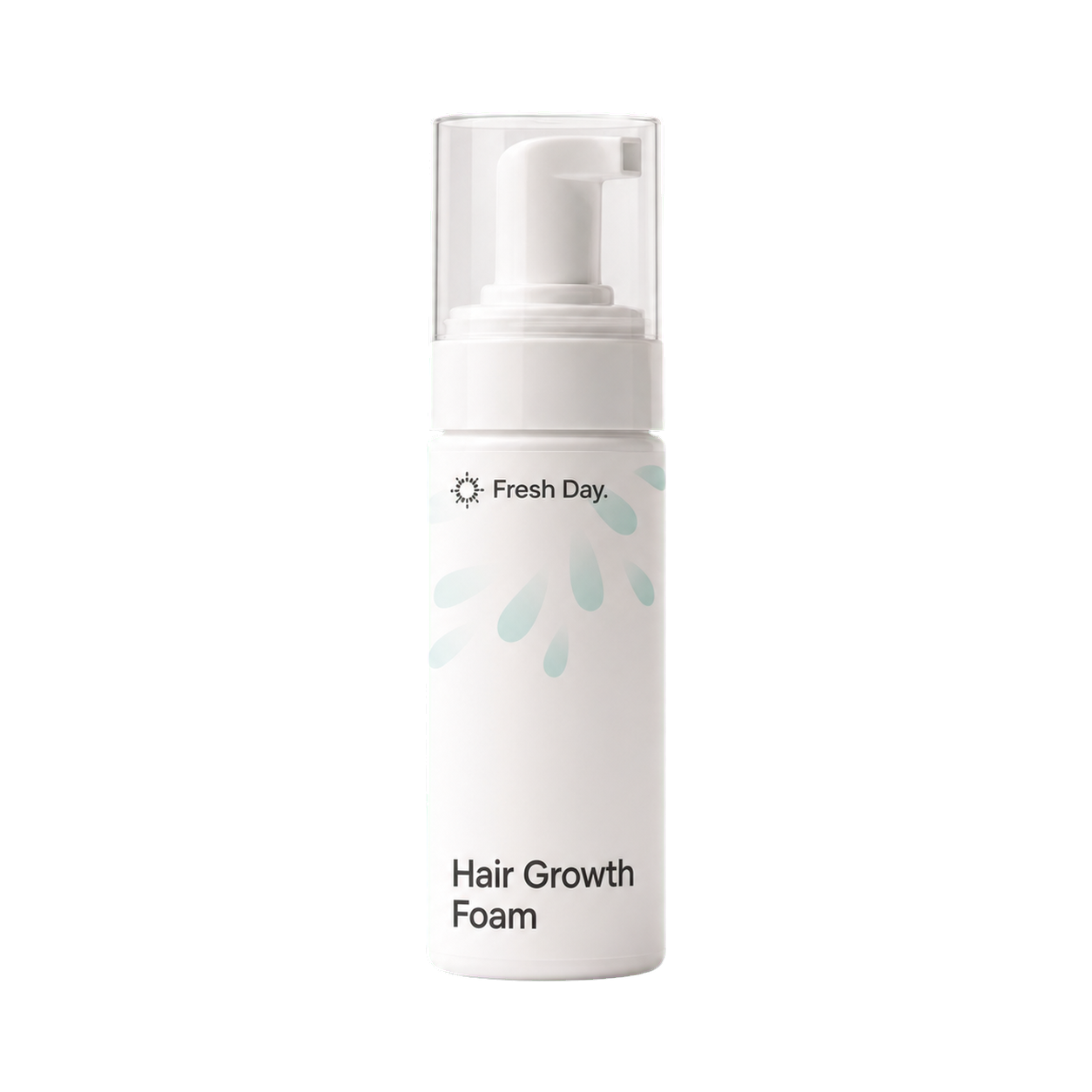
- Minoxidil: Available in topical solutions or foams, Minoxidil helps to increase blood flow to hair follicles, encouraging them to move into the growth phase and produce thicker, stronger hair.
We also emphasize holistic approaches. Maintaining a balanced diet, managing stress, and ensuring good sleep hygiene are all vital components of a comprehensive hair health strategy. It's about nurturing your body from the inside out to promote renewal and lasting vitality.
It’s a Fresh Day, For a New You
Don't let the worry of hair loss dim your optimism. With clarity, science, and a supportive approach, you can take meaningful steps towards healthier, fuller hair. Whether you're experiencing normal shedding or more significant hair loss, Fresh Day Meds is here to guide you with solutions that are simple, accessible, and inspiring. Consult today, new you tomorrow – your journey to a fresh head of hair starts now.