

Understanding the journey of sperm can offer valuable clarity, whether you're focusing on fertility or simply curious about the intricate mechanics of your body. It's a fresh day for new knowledge, and we're here to help you understand the vitality of sperm and what impacts its lifespan.
Sperm are remarkable cells, designed for a singular purpose: to fertilize an egg. Their ability to survive and remain viable is influenced by a surprising array of factors, both inside and outside the body. Let's delve into the common questions surrounding the sperm life cycle, offering you a clear, supportive guide to this fascinating aspect of sexual wellness and human reproduction.
The Journey Begins: Spermatogenesis
Before we talk about how long sperm lives, it's helpful to understand where it comes from. Spermatogenesis is the continuous process of sperm production that occurs in the testes. This complex process takes about 64 to 72 days to complete, transforming primitive cells into mature sperm ready for their mission.
Once produced, these newly formed sperm aren't immediately ready to fertilize an egg. They travel to the epididymis, a coiled tube located on the back of each testicle. Here, they undergo a crucial maturation process, gaining motility (the ability to swim) and their full fertilizing capacity. This maturation can take several days to a couple of weeks. Think of it as a vital training camp, ensuring each sperm is at its peak performance.
How Long Can Sperm Live Inside the Body?
This is one of the most frequently asked questions, especially for those navigating fertility. Once ejaculated into the female reproductive tract, sperm enter a demanding environment. The vagina is typically acidic, which can be hostile to sperm, but cervical mucus, especially around ovulation, becomes more alkaline and provides a protective pathway.
In the Female Reproductive Tract
Under optimal conditions, primarily around ovulation when the cervical mucus is most hospitable, sperm can survive inside a woman's body for up to 5 days, and sometimes even longer. This extended lifespan is a marvel of biological design, allowing for conception even if intercourse doesn't perfectly align with ovulation. The journey to the fallopian tubes, where fertilization typically occurs, is challenging, with many sperm not making it. However, the ones that do are resilient.
In the Male Reproductive Tract
Within the male body, specifically in the epididymis, sperm can remain viable for several weeks. If not ejaculated, they are eventually reabsorbed by the body. This continuous cycle ensures a fresh supply of healthy sperm is always being produced.
Does Sildenafil Gel Work For ED? Factors Affecting Sperm Viability
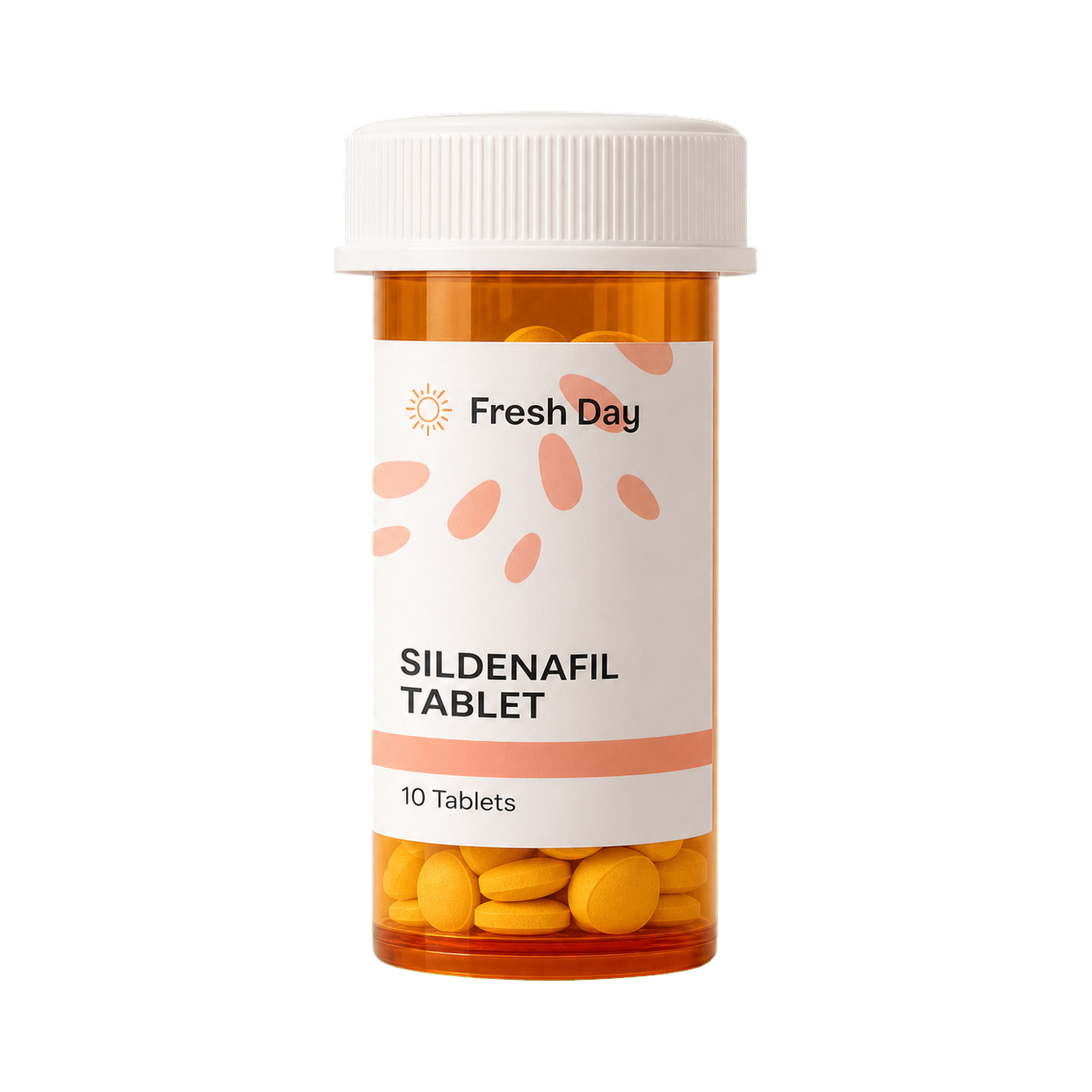
While oral medications like sildenafil (found in treatments like Viagra) are well-known for addressing erectile dysfunction, the conversation around sexual health often extends to fertility and sperm vitality. For those looking for support in sexual wellness, Fresh Day Meds offers solutions that can help. While sildenafil directly impacts erectile function, the overall health of your body, including factors like diet, lifestyle, and general wellness, significantly influences sperm quality and viability.
Several factors can influence how long sperm lives and its overall health:
- Temperature: Sperm prefer a slightly cooler environment than core body temperature. This is why the testicles are located outside the body. Prolonged exposure to high temperatures (e.g., hot tubs, tight underwear) can negatively impact sperm production and viability.
- pH Levels: The acidity or alkalinity of the surrounding environment plays a significant role. As mentioned, the acidic vaginal environment can be challenging for sperm, but protective cervical mucus helps.
- Overall Health: A man's general health, including diet, exercise, and stress levels, can affect sperm quality. A balanced lifestyle supports optimal sperm health.
- Specific Medications: Some medications can impact sperm production or quality. If you have concerns, it's always wise to discuss them with a healthcare professional.
- Smoking and Alcohol: These substances can negatively affect sperm count, motility, and morphology (shape).
How Long Can Sperm Live Outside the Body?
Outside the protective environment of the body, sperm have a much shorter lifespan. The exact duration depends heavily on the conditions they are exposed to:
On Dry Surfaces
Sperm typically die within minutes, almost immediately, once exposed to air and dry surfaces. They are very sensitive to changes in temperature and humidity, and outside of a fluid medium, they quickly dehydrate and become inactive.
In Water (e.g., Bathtub, Hot Tub)
In warm water, like a bath or hot tub, sperm are unlikely to survive for long. The chemicals often found in tap water (like chlorine), the temperature, and the lack of a suitable medium quickly render them inactive and non-viable. The chances of conception from sperm in water are virtually zero.
In Ejaculated Fluid, Outside the Body
If ejaculated fluid is present in a moist, warm environment (e.g., in a condom or on a moist surface), sperm might survive for a few hours. However, their motility and fertilizing capacity rapidly diminish once they are outside the body's optimal conditions. The moment they are exposed to air and begin to dry, their viability decreases significantly.
Dispelling Myths and Finding Clarity
There are many myths surrounding sperm viability and fertility. Understanding the science helps bring clarity:
- Myth: You can get pregnant from sperm in a hot tub or swimming pool. Reality: This is virtually impossible due to the hostile environment of water, chemicals, and temperature.
- Myth: Sperm always die instantly outside the body. Reality: While they die quickly on dry surfaces, in a moist, warm environment, they can survive for a short period, though their ability to fertilize an egg rapidly declines.
Your Path to Renewal and Balance
For those seeking clarity on sexual wellness and fertility, understanding the basic biology of sperm is a fresh start. If you have specific concerns about sperm health, fertility, or sexual function, consulting with a healthcare professional is always the best step. Fresh Day Meds is here to support you with accessible solutions, helping you achieve a renewed sense of balance and vitality.
Every sunrise is a chance to start over, and every question answered brings you closer to a brighter, clearer understanding of your health. Start today with Fresh Day Meds – consult today, new you tomorrow. We believe in the power of small steps that lead to meaningful transformation.