










The name “dead bug” doesn't sound especially graceful, but the exercise is a slow way to practice moving an arm and leg while lying on your back. For beginners, the challenge is often less about strength than coordinating the movement and continuing to breathe.
You don't need to extend both limbs a long way on the first attempt. A smaller movement, with your feet close to the floor, can help you learn the pattern. If lying on your back is uncomfortable or not recommended for you, ask a professional for another option.
Set up where you can move comfortably
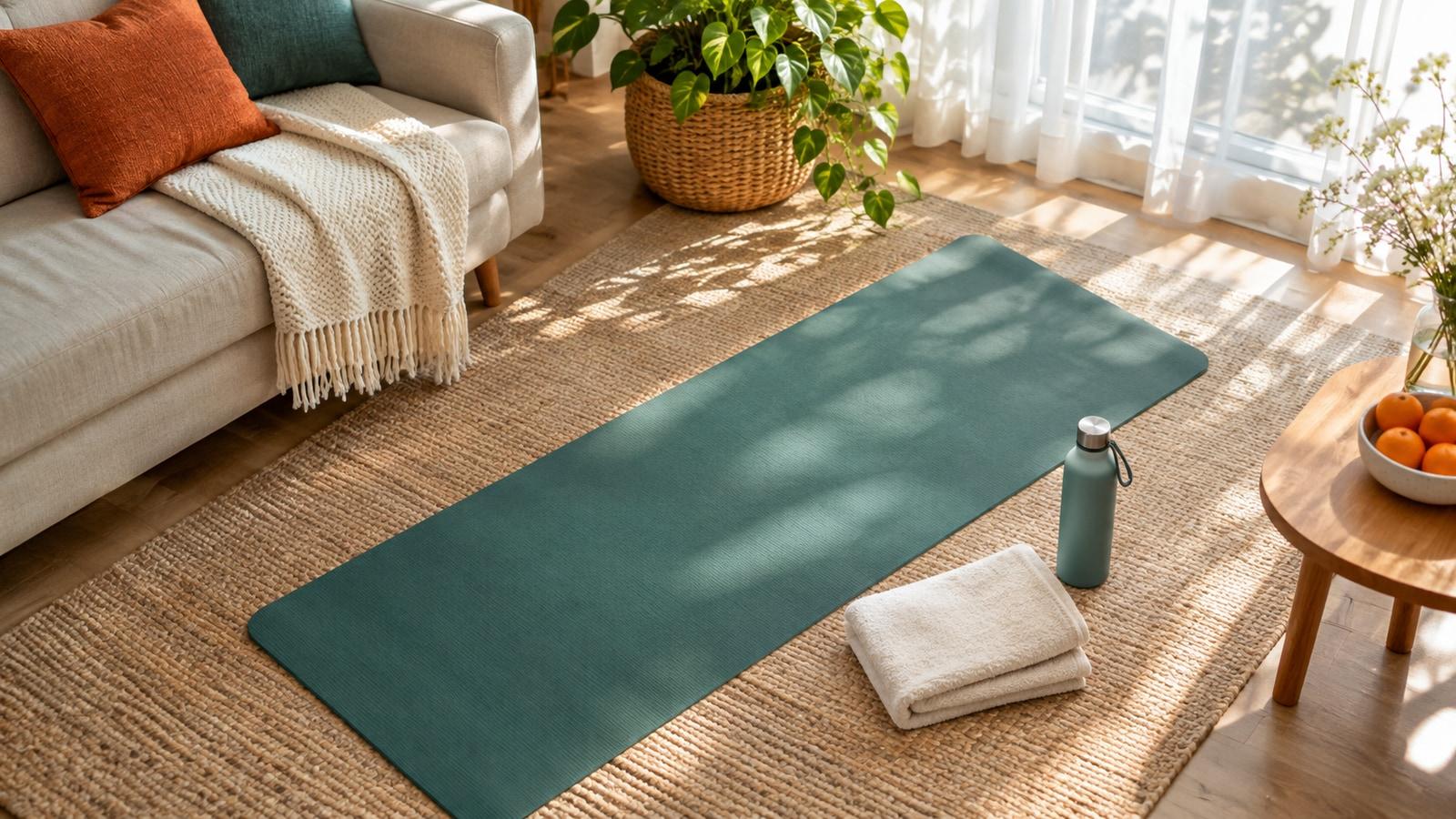
Choose a firm, nonslip mat or floor with enough space around you. Make sure you can get down and up safely. Lie on your back with knees bent and feet flat, and let your head and shoulders rest comfortably.
Take a few relaxed breaths. Notice that your ribs and abdomen move as you breathe. Gently engage your abdominal muscles without trying to hold your stomach rigid or press your back forcefully into the floor.
If you have back pain, recent surgery, pregnancy-related restrictions or another condition that affects floor exercise, ask your clinician or physical therapist whether this movement is appropriate. An online guide can't account for your individual needs.
Start with one part of the movement
Keep both feet on the floor and slowly raise one arm to a comfortable position, then return it. Continue breathing. Next, try sliding one heel a short distance along the floor and bringing it back, keeping the rest of your body as steady as feels comfortable.
These smaller movements let you practice without managing everything at once. If your back arches noticeably or you have to hold your breath, shorten the range or pause. You can ask a qualified instructor to check the setup.
Notice where the heel slide becomes difficult to control. That might be only a few inches away from you. Use that point as the end of the movement for now, even if a video shows someone extending their leg much farther.
Try opposite arm and leg
When the individual parts feel comfortable, reach one arm back only as far as is comfortable while sliding or moving the opposite leg a short distance. Breathe out gently during the movement, then breathe in as you return to the starting position. Repeat on the other side.
Keep your head supported and avoid twisting to reach farther. If coordinating opposite sides feels awkward, return to moving one limb at a time. A pause between sides is fine.
Start with a few controlled repetitions rather than a long timed set. Rest and notice how you feel. A professional can help you decide how many repetitions and which variation fit your routine.
Use breathing as a check-in
People sometimes hold their breath while concentrating on an unfamiliar movement. Try counting softly or exhaling as the arm and leg move away. If you can't breathe comfortably, make the movement smaller or stop and reset.
You don't have to brace as though you're lifting a heavy weight. Think of gentle support through the middle of your body while allowing normal breathing. If you find yourself pushing your back hard into the mat, ease off and see whether the heel slide still feels manageable.
If you feel dizzy, notice pain or can't maintain a comfortable position, stop and ask for guidance. The exercise isn't supposed to require discomfort or a rigid hold.
Adjust the setup
The version in a class may begin with both knees lifted over the hips. That is not the only starting point. Keeping one foot planted while the other heel slides gives you more contact with the floor and fewer things to coordinate. Rest both feet between sides if you need a reset.
If getting onto the floor isn't practical, ask a physical therapist about a seated or standing alternative. A different movement may serve you better than struggling with a position you can't get into comfortably.
When the movement feels familiar, try a slightly longer slide or a small arm reach and see whether you can still breathe normally. Change one thing at a time. The two sides don't have to travel exactly the same distance.
Fit it into a routine
A dead bug is one possible core exercise, not a complete workout or a cure for back pain. Pair it with other movements selected for your needs and allow recovery. If you're managing a health condition or medication side effects, discuss how activity fits with your care plan.
Notice how you feel after the session and later in the day. Persistent pain, new numbness or another concerning symptom deserves professional advice. Severe symptoms such as chest pain or fainting require urgent care. If the floor version repeatedly bothers your back, leave it out while you get advice rather than trying to perfect it through discomfort.
Keep it small and steady
The point is to practice moving while staying comfortable and breathing. Start on a stable surface, use a short range and take breaks. A simple version you can control is a useful place to begin.