










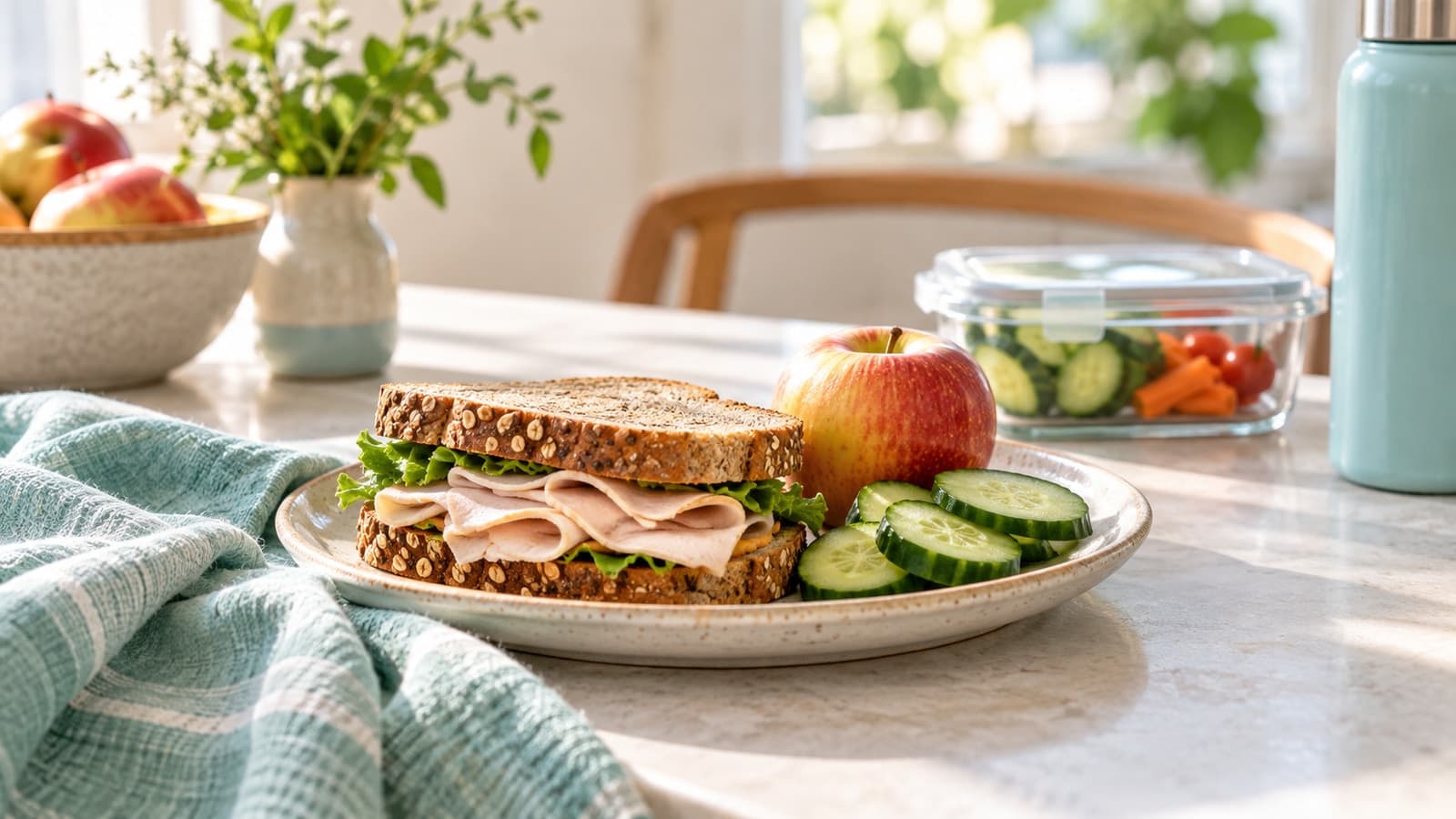
A trip past the deli counter can take care of lunch without turning on the oven. A few slices of turkey, some bread and a piece of fruit are a perfectly good starting point.
The counter can also be confusing: how much should you order, what does the price mean, and how long will it keep? A little planning makes the purchase easier to use.
Order for the next few days
Ask for an amount you can use. If you’re shopping for one or your appetite has changed on a GLP-1, you may prefer a smaller order rather than a full pound. The person behind the counter can tell you the price per pound and weigh the amount you request.
For example, if an item costs $12 per pound, a quarter pound costs about $3 before tax or other charges. That’s an illustration, not a current store price. Thickness and slice size affect how many pieces you receive, so order by weight or ask to see the amount.
You can request a small taste if the store offers one and it’s safe for you. Check ingredients before trying anything if you have an allergy or another restriction. Seasonings, sauces and prepared salads can contain ingredients that aren’t obvious from their names.
Build the rest of the meal
Put turkey or another suitable filling in a sandwich or wrap, then add a vegetable or fruit you enjoy. A small sandwich with cucumber and an apple is one example. You could also make a plate with crackers, a suitable cheese and cooked vegetables, or keep the components separate.
There’s no single required portion. Start with what sounds comfortable and add another food if you’re hungry. If a sandwich is more than you want at once, assemble a smaller one and keep the remaining ingredients chilled.
Prepared sides vary. Ask about ingredients in a deli salad, including dressings and common allergens, and check whether a side fits your preferences. A food doesn’t have to be made from scratch to be useful.
If sodium is something you monitor, ask whether the store has nutrition information for the meat and side you’re considering. Compare the amount for the portion you expect to eat. The counter may not have a full panel for every item, so don’t guess at a number.
Keep the cold chain short
Choose refrigerated foods near the end of your shopping trip and head home. Put deli meat and other perishables in the refrigerator promptly, within two hours, or within one hour in temperatures above 90°F. Keep the refrigerator at 40°F or below. An insulated bag with a cold source helps when the trip is longer.
Opened luncheon meat or meat sliced at the deli generally keeps three to five days in the refrigerator. Check the product’s directions as well, mark the date and buy an amount you expect to use. Prepared salads and other foods can have different storage windows.
For a packed lunch, use an insulated bag and a cold source. Don’t rely on smell to decide that food left warm for too long is safe.
Some people need extra precautions
If you’re pregnant, age 65 or older, or have a weakened immune system, deli meats can pose a higher risk from Listeria. Avoid eating them unheated, or heat them to 165°F or until steaming hot before eating. A care professional can help you choose safer options for your circumstances; some prepared deli salads need particular care too.
Heating an unsafe or spoiled food doesn’t make it a good purchase. Follow recall notices and discard food when safe handling is uncertain.
For more quick combinations, explore low-cook meals for busy days. The deli can be one useful stop in a flexible lunch plan, not a commitment to the same sandwich all week.