
Every sunrise is a chance to start over, and for many, that includes starting with a clear, comfortable scalp. If you've ever experienced the unwelcome snow of dandruff, you might have wondered, "Is dandruff contagious?" It's a common question, and one that can lead to unnecessary worry. At Fresh Day Meds, we believe in providing clarity in your health journey, so let's shed some light on this common scalp condition.
Understanding Dandruff: More Than Just Flakes
Dandruff, medically known as seborrheic dermatitis, is a very common and usually harmless condition that affects the scalp. It's characterized by flaky skin that can be itchy and sometimes accompanied by redness. While it can be bothersome and even a little embarrassing, it's important to understand what dandruff truly is – and what it isn't.
The primary cause of dandruff is often linked to a naturally occurring yeast-like fungus called Malassezia globosa. This fungus lives on most adult scalps without causing issues. However, for some individuals, it can trigger an accelerated shedding of skin cells, leading to those visible flakes we associate with dandruff. Other factors contribute to its development, including oily skin, sensitivity to hair products, dry weather, and even stress.
The Clearest Answer: No, Dandruff is Not Contagious
Let's get straight to the point: dandruff is not contagious. You cannot "catch" dandruff from someone else, nor can you transmit it to others. Sharing combs, brushes, hats, or even pillows with someone who has dandruff will not give you dandruff. It's a personal scalp condition influenced by an individual's unique skin biology and external factors, not an infection that spreads from person to person.
This is a crucial piece of information for anyone seeking renewal and balance in their daily wellness. Knowing that dandruff isn't contagious can alleviate a lot of unnecessary anxiety and allow you to focus on effective management strategies without fear of spreading it to loved ones.
What Causes Dandruff If It's Not Contagious?
Since it’s not spread, what exactly does cause dandruff? Understanding the root causes can help you take targeted steps towards a fresher, healthier scalp.
- Overgrowth of Malassezia: As mentioned, this yeast is a major player. For reasons not fully understood, some people's immune systems react more strongly to its byproducts, leading to inflammation and rapid skin cell turnover.
- Oily Skin (Sebum): Malassezia thrives in oily environments. People with naturally oily skin or those who produce more sebum are often more prone to dandruff.
- Irregular Shampooing: Not shampooing often enough can lead to an accumulation of oils and dead skin cells, creating a fertile ground for flakes. Conversely, shampooing too often with harsh products can irritate the scalp.
- Sensitivity to Hair Products: Some individuals react to certain ingredients in shampoos, conditioners, or styling products, leading to contact dermatitis on the scalp, which can resemble dandruff.
- Dry Skin: Especially in colder, drier climates, dry skin can contribute to scalp flakiness that looks like dandruff.
- Stress and Fatigue: While not a direct cause, stress can exacerbate existing skin conditions, including dandruff, by impacting the immune system.
- Certain Medical Conditions: Conditions like psoriasis, eczema, and even Parkinson's disease can be associated with increased dandruff or similar scalp flaking.
Your Path to a Fresh, Flake-Free Scalp
Since dandruff isn't contagious, your focus can shift entirely to managing and treating the condition for your own comfort and confidence. This is where Fresh Day Meds comes in, offering supportive and accessible solutions for your hair health journey.
- Specialized Shampoos: The first line of defense often involves using shampoos specifically formulated to combat dandruff. Look for active ingredients like zinc pyrithione, selenium sulfide, ketoconazole, or salicylic acid. Each works in slightly different ways to reduce fungal growth or shed skin cells.
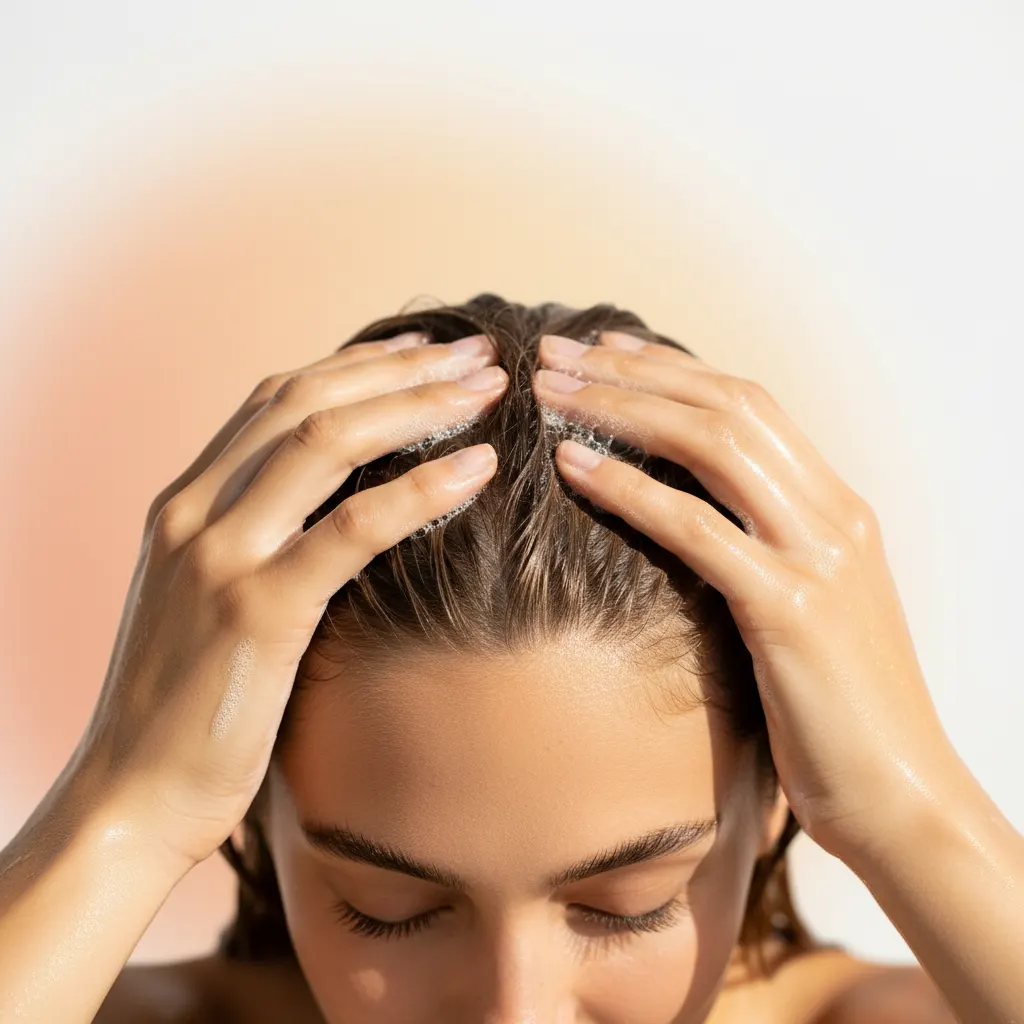
- Regular Hair Washing: Washing your hair regularly, even daily, with a gentle anti-dandruff shampoo can help control oil and flake buildup. If using a medicated shampoo, follow the instructions carefully regarding frequency and leave-on time.
- Scalp Care Routine: Treat your scalp with care. Avoid harsh scrubbing or scratching, which can irritate the skin. Gentle massage during shampooing can help loosen flakes.
- Manage Stress: Since stress can be a trigger, incorporating stress-reducing practices into your daily routine, like mindfulness or light exercise, can offer unexpected benefits for your scalp.
- Identify Triggers: Pay attention to whether certain hair products or environmental factors seem to worsen your dandruff. Making small adjustments can lead to meaningful transformation.
For persistent dandruff, consulting a healthcare professional is always a good step. They can help diagnose the specific cause and recommend tailored treatments, ensuring you receive the clarity and care you deserve. Products like specialized anti-dandruff shampoos, often containing ingredients like ketoconazole, can be a vital part of your renewal process.
Embrace a Fresh Day, A New You
Dealing with dandruff can be frustrating, but knowing it's not contagious brings a sense of relief and empowers you to take control. At Fresh Day Meds, we're here to support you on your journey to a healthier, happier scalp. Every sunrise is an opportunity for renewal, and with the right approach, you can achieve the balance and vitality you seek. Consult today, new you tomorrow – let's make it a fresh day for your hair health.