




Every sunrise brings a chance for renewal, and that includes renewing our understanding of our own bodies. When you notice more hair than usual on your brush or thinning patches, it’s natural for your mind to jump to serious conclusions. One common, and often alarming, question that arises is: “Is hair loss a sign of cancer?” It’s a valid concern, but it’s also one that often comes with unnecessary worry. At Fresh Day Meds, we believe in clarity and support, helping you navigate your health journey with confidence, not fear.
Let’s shed some light on this topic, separating fact from fiction, and empowering you with the knowledge to understand what’s truly happening with your hair.
Understanding Hair Loss: More Common Than You Think
Hair loss, medically known as alopecia, is incredibly common. It affects millions of people worldwide, men and women alike, and can be caused by a vast array of factors. Before we even consider the rare connection to cancer, it’s important to understand the more prevalent reasons your hair might be thinning or falling out.
Common Causes of Hair Loss:
- Genetics (Androgenetic Alopecia): This is by far the most common cause, often referred to as male or female pattern baldness. It’s hereditary and typically results in a predictable pattern of hair loss.
- Hormonal Changes: Fluctuations in hormones due to pregnancy, childbirth, menopause, or thyroid issues can lead to temporary or permanent hair loss.
- Stress (Telogen Effluvium): Significant physical or emotional stress can push a large number of hair follicles into a resting phase, leading to widespread thinning several months later. This is usually temporary.
- Nutritional Deficiencies: Lack of essential vitamins and minerals like iron, zinc, or biotin can impact hair growth and health.
- Medications: Certain drugs, including those for arthritis, depression, heart problems, and high blood pressure, can have hair loss as a side effect.
- Medical Conditions: Autoimmune diseases (like alopecia areata), scalp infections, and skin conditions can all contribute to hair loss.
- Hair Styling Practices: Tight hairstyles, excessive heat styling, and harsh chemical treatments can damage hair follicles over time, leading to breakage and loss.
As you can see, the list of common causes is extensive, and most have nothing to do with cancer. Our goal at Fresh Day Meds is to help you find balance and renewal, and that often starts with understanding the root cause of your concerns.
The Rare Link Between Hair Loss and Cancer
While hair loss is generally not a direct sign of cancer, there are specific, less common scenarios where a connection might exist. It’s crucial to approach this topic with clarity and avoid undue alarm.
Hair Loss as a Symptom of Cancer Itself:
In very rare cases, certain types of cancer can directly cause hair loss. These are typically cancers that affect the skin, blood, or immune system. For example:
- Lymphoma: Some forms of lymphoma, particularly cutaneous T-cell lymphoma, can manifest with skin lesions on the scalp that lead to hair loss.
- Leukemia: While not a direct cause, the overall systemic impact of leukemia can sometimes contribute to general hair thinning.
- Carcinoid Tumors: These rare tumors can cause a condition called carcinoid syndrome, which may include hair loss among other symptoms.
It’s important to note that in these rare instances, hair loss would almost always be accompanied by other, more prominent symptoms of the underlying cancer, such as unexplained weight loss, fatigue, fever, night sweats, or unusual skin changes.
Hair Loss as a Side Effect of Cancer Treatment:
This is the more widely known connection between cancer and hair loss. Chemotherapy, radiation therapy, and some targeted therapies are potent treatments designed to kill rapidly dividing cells, including cancer cells. Unfortunately, hair follicle cells also divide rapidly, making them susceptible to damage from these treatments.
- Chemotherapy: Many chemotherapy drugs cause widespread hair loss, often affecting the entire body. This hair loss is usually temporary, with hair typically growing back after treatment ends.
- Radiation Therapy: Radiation therapy causes hair loss only in the area being treated. If radiation is directed at the head, hair loss will occur in that specific region and may be permanent depending on the dose.
- Targeted Therapies: Some newer cancer drugs, while more precise than traditional chemotherapy, can still cause hair thinning or changes in hair texture.
If you are undergoing cancer treatment, your medical team will likely discuss potential side effects, including hair loss, with you beforehand. This is a journey that requires immense strength, and Fresh Day Meds supports you in finding moments of renewal even amidst challenges.
When to Seek Professional Advice
If you are experiencing hair loss and are concerned, the most important step is to consult with a healthcare professional. They can help determine the cause and recommend appropriate solutions. Don’t let worry fester; seeking clarity is the first step towards a fresh start.
Red Flags to Discuss with Your Doctor:
While most hair loss is benign, consider consulting your doctor if you experience:
- Sudden or rapid hair loss: Especially if it’s unexplained.
- Patchy hair loss: Particularly if the patches are smooth, red, or scaly.
- Hair loss accompanied by other symptoms: Such as unexplained weight loss, fatigue, new lumps, persistent pain, or changes in skin color or texture.
- Scalp pain, itching, or burning: That doesn't resolve with typical remedies.
Your doctor can perform a thorough examination, ask about your medical history, and potentially order blood tests to check for nutritional deficiencies, hormonal imbalances, or other underlying conditions. They can also refer you to a dermatologist, a specialist in skin and hair conditions, for a more in-depth assessment.
Embracing Your Hair Health Journey with Fresh Day Meds
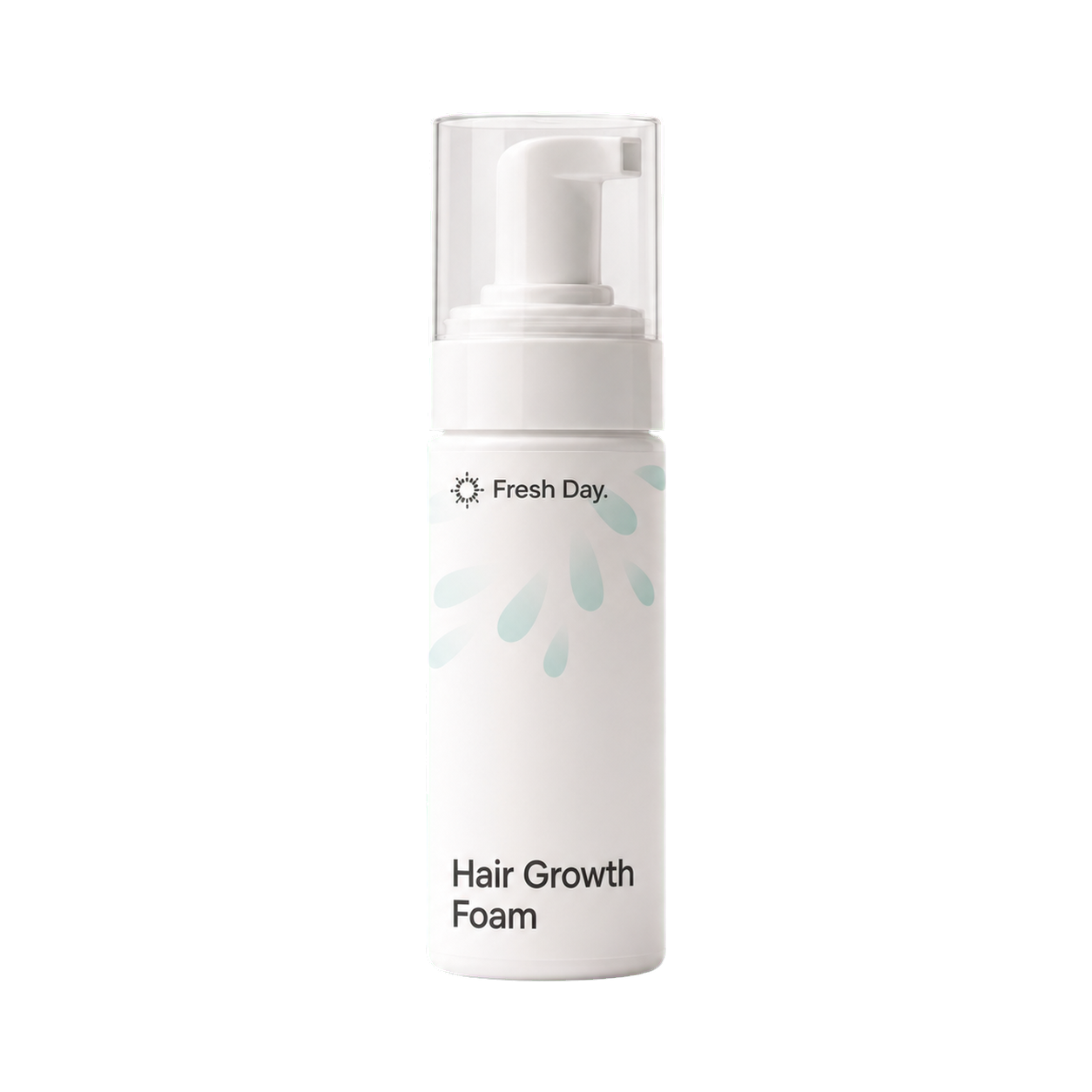
At Fresh Day Meds, we understand that hair loss can impact your confidence and overall well-being. We offer supportive solutions for hair health, focusing on science-backed approaches to help you achieve renewal and balance. Products like Finasteride and Minoxidil are often recommended by healthcare professionals for common types of hair loss, helping to promote regrowth and prevent further thinning.
Remember, every day is a fresh opportunity to take a small step towards a healthier, more confident you. If you’re concerned about hair loss, consult today, new you tomorrow. We are here to support your progress, offering clarity and care on your journey to lasting vitality.
Your hair health is an important part of your overall wellness. By understanding the common causes of hair loss and knowing when to seek professional advice, you can approach this concern with optimism and take purposeful steps towards renewal. It’s a Fresh Day, For A New You.