





Every sunrise brings a chance for renewal, and understanding your body is a powerful step towards a fresh start. When it comes to hair loss, one of the most common questions is, "Is it hereditary?" It's a natural concern, and for many, the answer lies deeply rooted in their family tree. Let's unravel the science behind hereditary hair loss, particularly male pattern baldness, and explore what it means for your hair health journey.
The Genetic Link: Male and Female Pattern Baldness
The most prevalent form of hair loss with a strong genetic component is androgenetic alopecia, commonly known as male pattern baldness or female pattern baldness. This condition isn't just about losing hair; it's about how your hair follicles respond to certain hormones, primarily dihydrotestosterone (DHT).
For a long time, it was thought that male pattern baldness was inherited solely from the mother's side. While the X chromosome (which men inherit from their mothers) does carry a significant gene related to androgen receptors, the reality is more complex. Hair loss is often polygenic, meaning multiple genes contribute to your predisposition. So, if your father, uncles, or even grandfathers experienced hair loss, you might also be genetically inclined.
Think of your genes as a blueprint. This blueprint dictates how sensitive your hair follicles are to DHT. If your follicles are highly sensitive, DHT can cause them to shrink over time, leading to shorter, finer hairs and eventually, the cessation of hair growth. This progressive miniaturization of hair follicles is the hallmark of hereditary hair loss.
How Do Genes Influence Hair Loss?
It's not just one gene that determines whether you'll experience hair loss. Scientists have identified several genes and genetic markers associated with androgenetic alopecia. Here are a few key aspects:
- Androgen Receptor Gene (AR Gene): Located on the X chromosome, this gene plays a crucial role. It provides instructions for making the androgen receptor, which allows hair follicles to respond to androgens like testosterone and DHT. Variations in this gene can increase the sensitivity of hair follicles to DHT, accelerating miniaturization.
- Other Genes: Research continues to uncover additional genes on various chromosomes that influence hair loss patterns, onset, and severity. These genes can affect everything from hair follicle development to hair cycling and inflammation.
- Environmental Factors: While genetics load the gun, environmental and lifestyle factors can sometimes pull the trigger. Stress, certain medications, nutritional deficiencies, and even intense styling can exacerbate or accelerate genetically predisposed hair loss.
Understanding this genetic predisposition isn't about resignation; it's about clarity. It empowers you to take proactive steps, focusing on progress for your hair health.
Recognizing the Signs of Hereditary Hair Loss
Hereditary hair loss follows distinct patterns. For men, it often begins with a receding hairline and/or thinning at the crown, eventually leading to the classic 'M' shape or horseshoe pattern. For women, it typically presents as diffuse thinning over the top of the scalp, with the frontal hairline often remaining intact.
Early signs can include:
- Noticing more hairs on your pillow, in your shower drain, or in your brush.
- A visible widening part for women.
- A receding hairline or thinning temples for men.
- Hair that feels finer or less dense than before.
If you're noticing these changes, especially if hair loss runs in your family, it's a good time to consult with a healthcare professional. A fresh day for your hair health often begins with understanding what's happening.
Taking Action: Beyond Genetics
While you can't change your genetic makeup, you can absolutely influence your hair's future. The good news is that science offers proven solutions that work with your body to promote hair regrowth and slow down hair loss, even when genetics are at play.
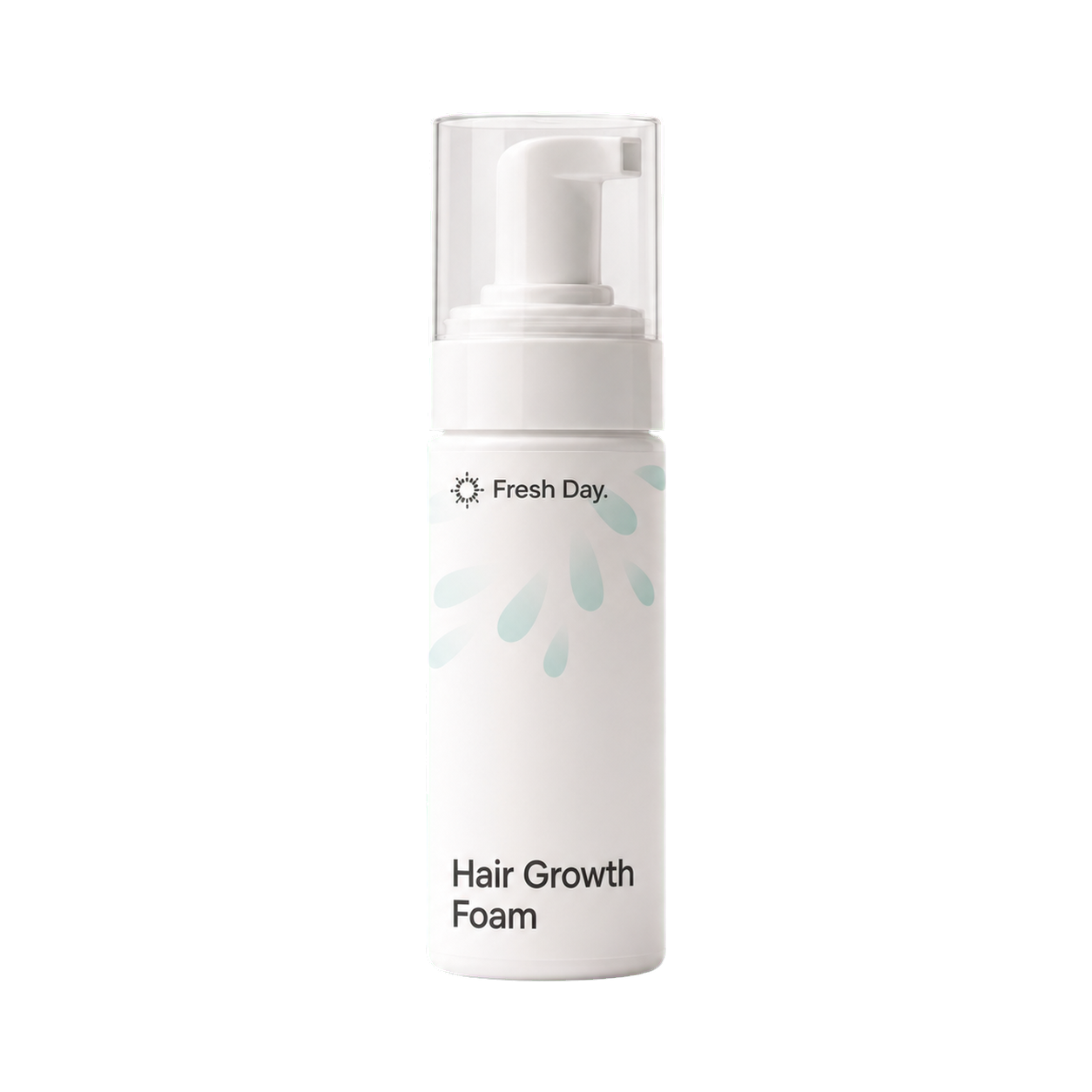
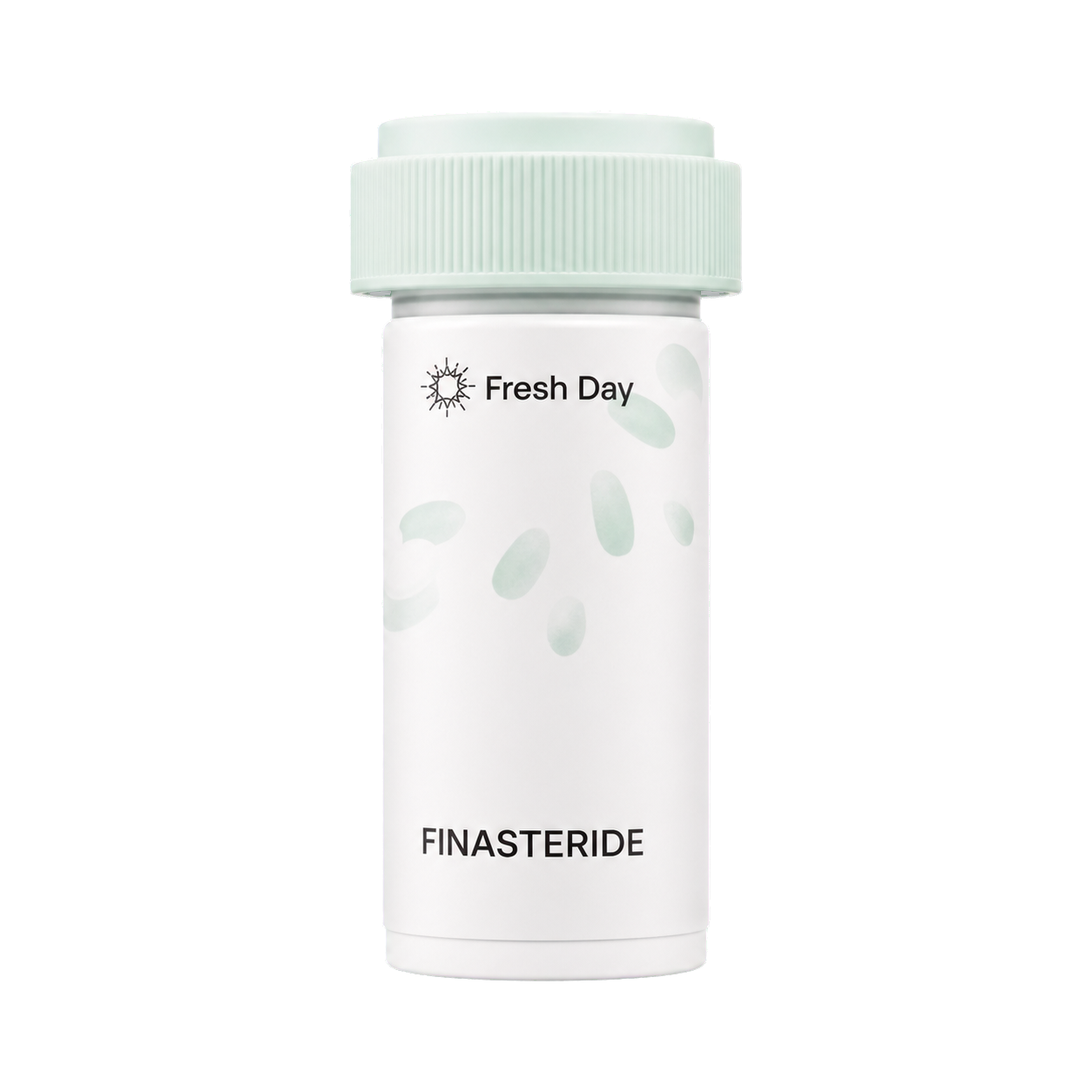
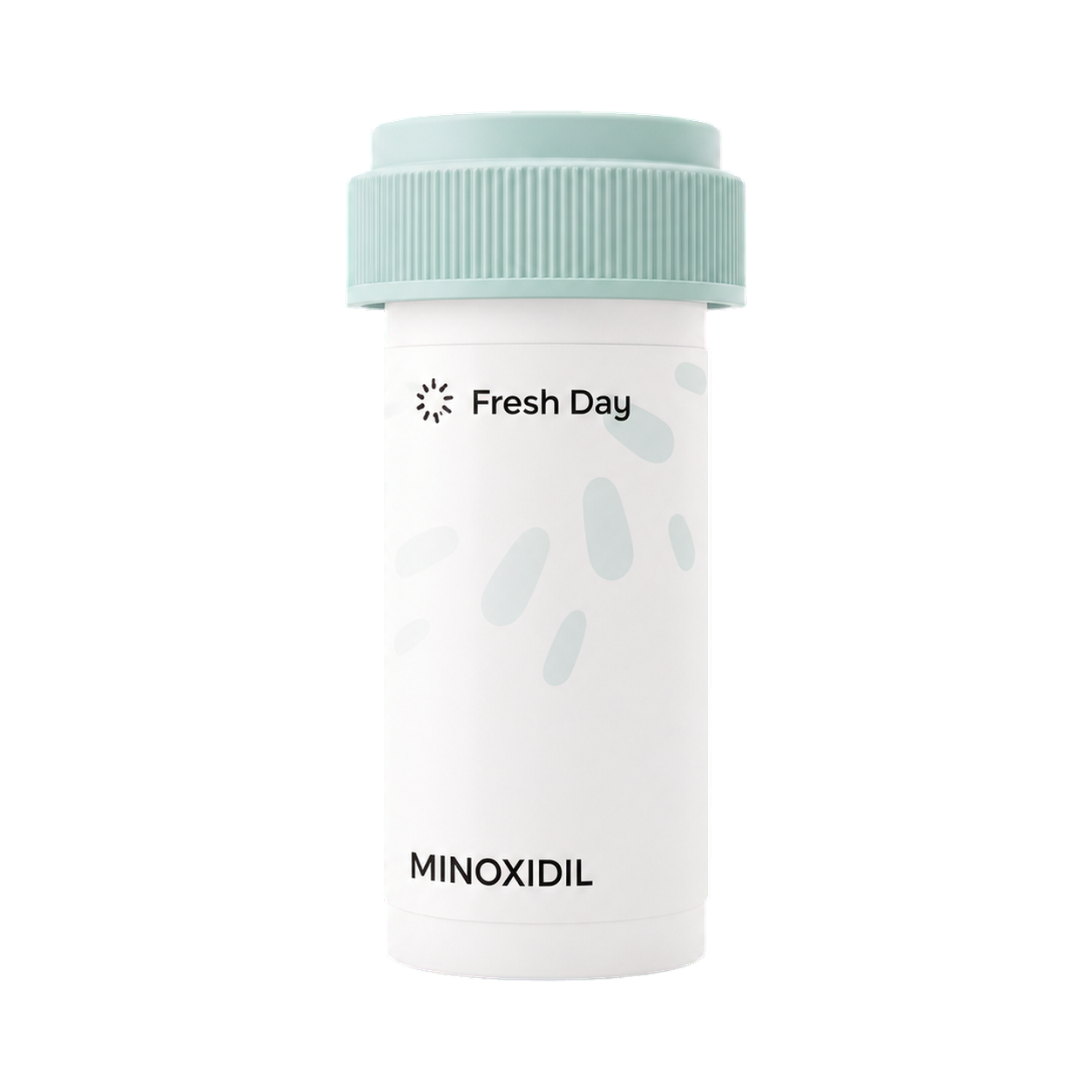
Treatments like minoxidil and finasteride are widely recognized for their effectiveness in combating hereditary hair loss. Minoxidil works by widening blood vessels to the scalp, which boosts blood flow to hair follicles and encourages them to enter the growth phase. Finasteride, on the other hand, targets the root cause by inhibiting the enzyme that converts testosterone into the hair-damaging DHT. These science-backed approaches offer a pathway to renewal and balance for your hair.
Beyond medication, maintaining a healthy lifestyle supports overall hair health. A balanced diet rich in vitamins and minerals, stress management, and gentle hair care practices can all contribute to a thriving scalp and stronger strands. It's about combining purposeful choices with effective treatments to create meaningful transformation.
Embracing a Fresh Start for Your Hair
Discovering that hair loss might be hereditary can feel daunting, but remember, every sunrise is a chance to start over. Fresh Day Meds is here to support you in seeking clarity in your health journey, offering accessible solutions that inspire renewal. By understanding the genetic factors at play and exploring modern, science-backed treatments, you can take control of your hair health. Don't let genetics define your future; consult today, new you tomorrow, and step into a brighter, more confident tomorrow with renewed vitality.