
When your scalp feels itchy or you notice flakes, it's natural to wonder what's going on. Two common culprits are lice and dandruff, and while they both cause uncomfortable symptoms, they are distinctly different conditions requiring different approaches. At Fresh Day Meds, we believe in clarity for your health journey, offering simple, accessible, and inspiring solutions for renewal and balance. Let's shed some light on the differences between lice and dandruff, so you can achieve a fresh, healthy scalp.
Dandruff: A Common Scalp Condition
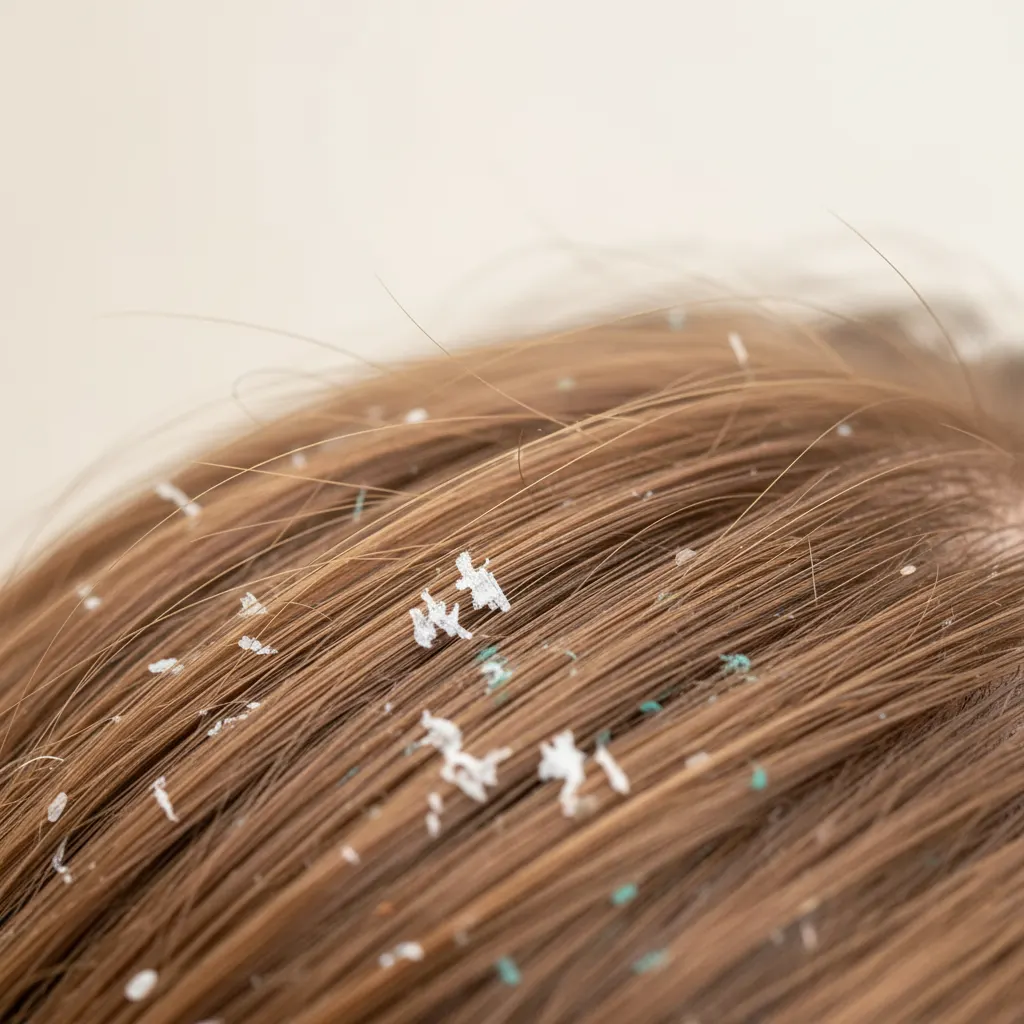
Dandruff is a very common, non-contagious scalp condition characterized by flaky skin on the scalp. It's often accompanied by itching, and sometimes a greasy scalp. While it can be bothersome, it generally poses no serious health risks.
What Causes Dandruff?
Dandruff isn't caused by poor hygiene, as is a common misconception, though infrequent washing can make flakes more noticeable. It's often linked to:
- Malassezia globosa: A yeast-like fungus that lives naturally on most adults' scalps. For some, it can irritate the scalp, causing skin cells to grow more quickly and shed in larger clumps.
- Dry skin: If your skin is generally dry, you might experience dry flakes on your scalp.
- Oily skin (seborrheic dermatitis): Conversely, an oily, irritated scalp can lead to dandruff. This is a more severe form of dandruff.
- Contact dermatitis: Sensitivity to hair care products can cause redness, itching, and flaking.
Symptoms of Dandruff
- White, oily-looking flakes: These flakes are typically found on your hair, eyebrows, beard, or shoulders.
- Itchy scalp: The itching can range from mild to intense.
- Oily or dry scalp: Depending on the cause, your scalp might feel either.
- Red, scaly patches: More common with seborrheic dermatitis.
Treating Dandruff
The good news is that dandruff is usually manageable with over-the-counter treatments. Look for shampoos containing active ingredients like:
- Zinc pyrithione: Helps reduce fungus and bacteria.
- Selenium sulfide: Slows down skin cell turnover and reduces Malassezia.
- Salicylic acid: Helps shed dead skin cells.
- Ketoconazole: A broad-spectrum antifungal that can be very effective for stubborn dandruff.
Using a specialized anti-dandruff shampoo regularly, as directed, can bring significant relief and restore balance to your scalp. Remember, consistency is key for meaningful transformation.
Lice: A Contagious Parasitic Infestation
Head lice are tiny, parasitic insects that live on the human scalp and feed on blood. Unlike dandruff, lice are highly contagious and require specific treatment to eradicate.
What Causes Lice?
Lice infestations are caused by direct head-to-head contact with an infested person. They cannot fly or jump; they spread by crawling. Sharing hats, combs, brushes, or headphones can also spread lice, though this is less common.
Symptoms of Lice
- Intense itching: This is the most common symptom, caused by an allergic reaction to the lice bites.
- Small red bumps or sores: From scratching, which can sometimes become infected.
- Seeing lice: Adult lice are tiny (about the size of a sesame seed) and can be hard to spot, but they move quickly.
- Nits (lice eggs): These are perhaps the most noticeable sign. Nits are tiny, oval-shaped specks that are firmly attached to the hair shaft, usually close to the scalp. They often look like dandruff but cannot be easily flicked or brushed off. Live nits are typically yellowish or brownish, while empty nit casings are white or clear.
- Feeling something crawling: Some people report a tickling sensation or the feeling of something moving on their scalp.
Treating Lice
Treating lice involves a multi-step process to kill both the adult lice and their eggs. This typically includes:
- Medicated shampoos, lotions, or rinses: Over-the-counter options often contain pyrethrins or permethrin. Stronger prescription medications may be needed for resistant cases.
- Nit combing: Using a fine-toothed comb (often called a nit comb) to meticulously remove nits and lice from wet hair. This step is crucial and time-consuming.
- Washing and cleaning: Washing bedding, clothing, and towels in hot water and drying them on high heat. Sealing non-washable items in plastic bags for two weeks can also kill lice.
- Notifying close contacts: To prevent further spread, it's important to inform anyone who has had close head-to-head contact with the infested individual.
Unlike dandruff, which is a chronic condition for some, lice are an infestation that can be completely eliminated with diligent treatment.
Key Differences at a Glance
| Feature | Dandruff | Lice | | :---------------- | :------------------------------------------------ | :-------------------------------------------------------- | | Cause | Fungus, dry/oily skin, product sensitivity | Parasitic insects (head lice) | | Contagious? | No | Yes, highly contagious | | Appearance | White, flaky skin; can be oily or dry | Tiny insects, nits (eggs) firmly attached to hair shaft | | Location | Scalp, hair, eyebrows, shoulders | Primarily scalp, especially near ears and neckline | | Movement | Flakes fall off | Lice crawl; nits are stuck | | Treatment | Medicated shampoos (e.g., zinc pyrithione, ketoconazole) | Medicated treatments, nit combing, cleaning environment |
A Fresh Start for Your Scalp
Understanding whether you're dealing with lice or dandruff is the first step toward effective treatment and a healthier scalp. While dandruff is a common, non-contagious condition that can be managed with consistent use of anti-dandruff products, lice require careful attention to eliminate the infestation and prevent spread.
If you're unsure about the cause of your scalp issues, consulting a healthcare professional can provide the clarity you need. It's a fresh day, for a new you, and that includes a vibrant, comfortable scalp. Start today with Fresh Day Meds, and embrace the renewal that comes with understanding and effective care.