










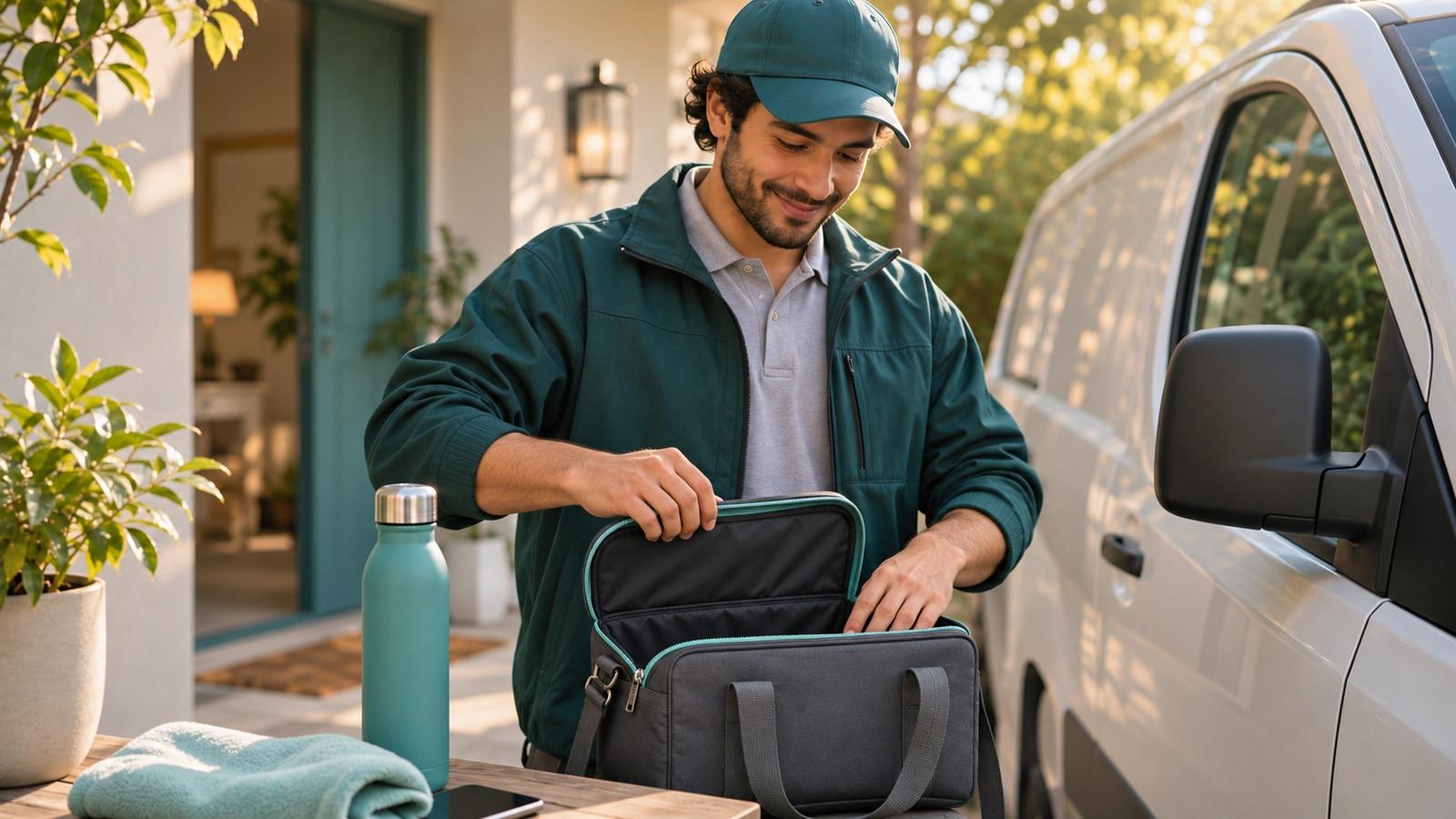
When driving is part of your job, a delayed lunch isn't always a small inconvenience. You might be between stops, on a route you can't easily change, or far from a place to pull over. If you have diabetes and take medicine that can cause low blood sugar, it helps to work through those details before you need them.
Starting a GLP-1 may be a good time to revisit the plan with the clinician who manages your diabetes. The goal isn't to make you anxious about every shift. It's to know what to carry, when to check and what to do if you feel unwell behind the wheel.
Start with your full medicine list
Diabetes medicines don't all carry the same risk of low blood glucose, also called hypoglycemia. Insulin and certain tablets, including sulfonylureas, can cause lows. For example, the risk of a low can increase when semaglutide is used with insulin or a sulfonylurea. Your risk depends on your treatment and health history, so ask your prescriber what applies to you.
Bring the names of all your medicines to the appointment, including any GLP-1, insulin, diabetes tablets and medicines you buy without a prescription. If more than one clinician prescribes them, tell each team who else is involved. A photo of the labels can help if the names are hard to remember.
Don't skip or change a medicine on your own to make a driving day easier. If your appetite or schedule has changed, explain the problem and ask the team to review your plan.
Make a check-in plan for the route
Describe the work you actually do. How long are you usually driving between stops? Can a delivery run over schedule? Where can you park safely if you need to check your glucose? These details matter more than a plan that assumes you can stop at the same time every day.
Ask your diabetes team whether and when you should check your blood sugar before driving and during a long stretch. If you use a meter or continuous glucose monitor, make sure you know how to respond to a result or alert. Don't try to operate the device while driving; find a safe place to stop first.
Carry the supplies your team recommends where you can reach them after parking. Check that the meter, strips, sensor supplies and any treatment you carry are within their storage conditions. A vehicle can become very hot or cold, so the right place to keep supplies may not be the glove compartment all day.
Know what a low can feel like
Shaking, sweating, a fast heartbeat, hunger, dizziness and trouble concentrating can be signs of low blood sugar. People don't all notice the same symptoms, and some people don't feel a warning before a low. A symptom can have another cause too; don't assume you know your glucose level just from how you feel.
If you notice possible symptoms while driving, pull over safely. Check your glucose if you can and follow the treatment plan your care team gave you. Don't keep driving while waiting to see whether the feeling passes.
If you have frequent lows, symptoms are changing, or you no longer notice your usual warnings, tell your diabetes team. They can help review your monitoring and treatment plan. A new pattern is useful information even if you were able to handle the episode yourself.
Keep treatment separate from your lunch
Ask what fast-acting carbohydrate to carry for a low and how much to use in your situation. Glucose tablets and regular juice are examples; a sandwich or a high-fat snack isn't the same thing as the fast-acting treatment your team may recommend. Keep the treatment accessible and replace it when it is used or expires.
For many adults, a common approach to a blood sugar below 70 mg/dL is to take 15 grams of fast-acting carbohydrate, wait 15 minutes and check again, repeating if it is still low. Your clinician can explain the plan that fits you and what to do afterward. Once the low is treated, a snack or meal may be needed depending on when you'll eat next.
Do not resume driving until the low has been treated and both your glucose and ability to think clearly have recovered. Ask your care team how to judge when you are safe to drive again. If you cannot treat yourself, become severely confused, have a seizure or lose consciousness, it is an emergency: someone should call 911 and use prescribed emergency medicine as directed. Never give food or drink to someone who cannot swallow safely.
Bring the schedule into the conversation
A GLP-1 can change how much food sounds appealing at a stop. Tell your clinician if you're regularly eating much less, missing meals or having nausea while also taking diabetes medicines. They can help you decide what needs attention and how your monitoring plan should work; don't adjust doses to match a route on your own.
You may be able to identify a reliable break, a backup stopping point and a person to contact if you need assistance. If you need to discuss practical arrangements at work, decide what you're comfortable sharing and whom to approach. Your care team can help you describe the support you need without having to explain every detail of your medical history.
Before the next shift, make sure you can answer three questions: Where can I stop? Where are my supplies? What does my plan say to do before I drive again? Our guide to coordinating GLP-1 treatment and insulin covers the broader medication conversation.