










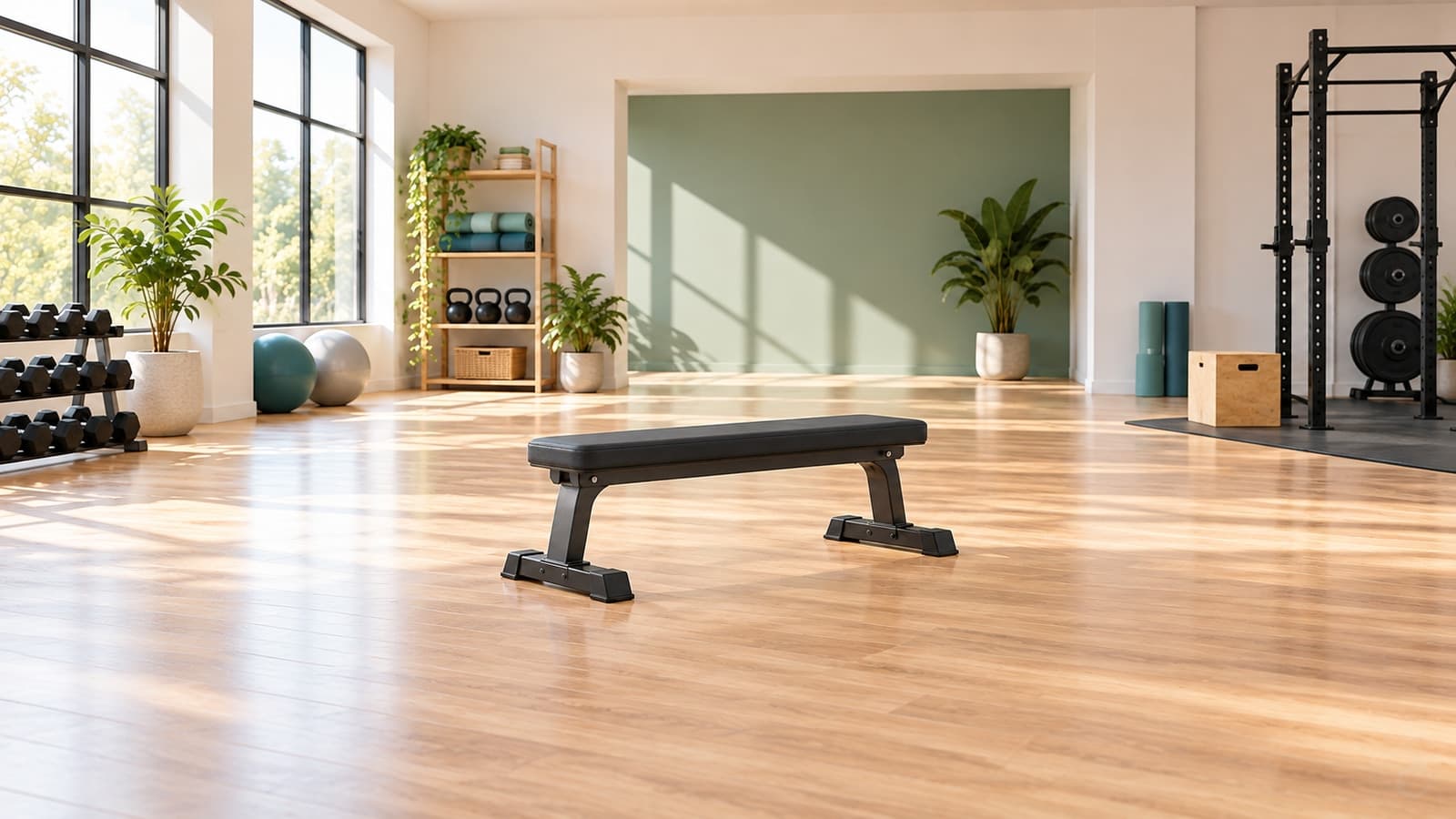
You walk into a gym, spot a machine you want to try and realize you’re not sure whether the seat will fit or how much weight the equipment supports. That’s a fair question to ask before you climb on.
The equipment should fit you. Body size doesn’t tell anyone what you can do, what you enjoy or how much guidance you need. A little information about the actual machine can help you choose a setup with confidence.
Start with the load rating
For a home purchase, look for the manufacturer’s stated user or load capacity and read what it includes. A bench used with weights, for example, may have a different total-load limit than the maximum user weight listed for a cardio machine. Check the instructions for the specific model rather than guessing from a photo or another machine at the gym.
If the information is unclear, ask the manufacturer or facility staff before using it. Ask how the equipment should be assembled, maintained and placed on the floor too. A high stated capacity is only one piece of the setup; a damaged frame, loose part or unstable surface still needs attention.
At a gym, you can ask privately for the specifications of a treadmill, bike or bench. Staff should be able to help you locate the model information or offer another option. You don’t need to explain your weight-management goals to ask a straightforward equipment question.
Check space and adjustments
Try getting on and off the equipment, adjusting the seat and reaching the handles without rushing. Can you sit with the support in a comfortable position? Is there enough room for your legs and arms to move? Can you operate the controls without twisting into an awkward posture?
For a stationary bike, a staff member or bike fitter can help with the seat and handlebar positions. For a strength machine, ask how the seat, pads and range can be adjusted. If a part presses uncomfortably or prevents you from using the machine as intended, stop and ask about another model or movement.
It’s also reasonable to look at the space around the equipment. Is there room to approach it, place your belongings out of the way and leave without navigating a tight gap? If you use a mobility aid, ask about the route and setup before your visit.
A machine isn’t the only option
Depending on your goals and abilities, walking, water activity, resistance bands, free weights or a comfortable chair-based session may be useful. Some activities need little equipment at all. A trainer or physical therapist can help you find a version that matches your experience and any health considerations.
If you’re considering a class, ask whether there are sturdy chairs, different equipment sizes or options for taking a break. You can also ask to visit or try the space before committing to a membership. A welcoming answer is useful information in its own right.
At home, take the same care with small items. Check that a chair is stable, a band is in good condition and the floor is clear. Follow the instructions for any anchor point; a household object that looks convenient may not be designed to hold exercise tension.
Let comfort guide the next question
You might enjoy a machine immediately, prefer it after an adjustment or decide it isn’t for you. None of those outcomes says anything about your motivation. If a movement causes pain, dizziness or an unsteady feeling, stop and ask for help rather than forcing the fit.
If GLP-1 side effects are making eating, drinking or activity difficult, talk with your care team about a suitable plan. Our first gym visit guide covers more ways to make the visit feel familiar. You deserve equipment and a space that let you focus on moving, not on whether you belong there.