










The invitation says dinner is at seven, but what you're really looking forward to is seeing people you haven't caught up with in months. For many celebrations, the food is only one part of the occasion—even when it takes up most of the planning.
If a large meal doesn't suit your budget, appetite, schedule or preferences, you can build a gathering around something else. That doesn't mean food has to disappear. A favorite dish, cake or shared snack can still be part of the day without carrying the whole event.
Start with what you're celebrating
Ask what would make the occasion feel meaningful. Is it a chance to talk without rushing? A family tradition? Music, a game, a particular place, or time with someone you don't see often? The answer may suggest a gathering that is easier to plan than a formal meal.
For a birthday, that could be an afternoon of board games with cake available when people want it. For a reunion, it might be a photo-sharing session followed by a casual spread. A graduation could include a walk through a favorite neighborhood, with a comfortable indoor option for anyone who prefers it.
These are starting points, not replacements for traditions you love. If a meal is central to your family or culture, you can keep it. The aim is to make room for more than one way to celebrate.
Offer an activity people can join in different ways
Not everyone enjoys the same kind of gathering. A craft table, a playlist people contribute to, a movie, a card game or a shared photo album can give guests something to do without requiring anyone to eat on a schedule.
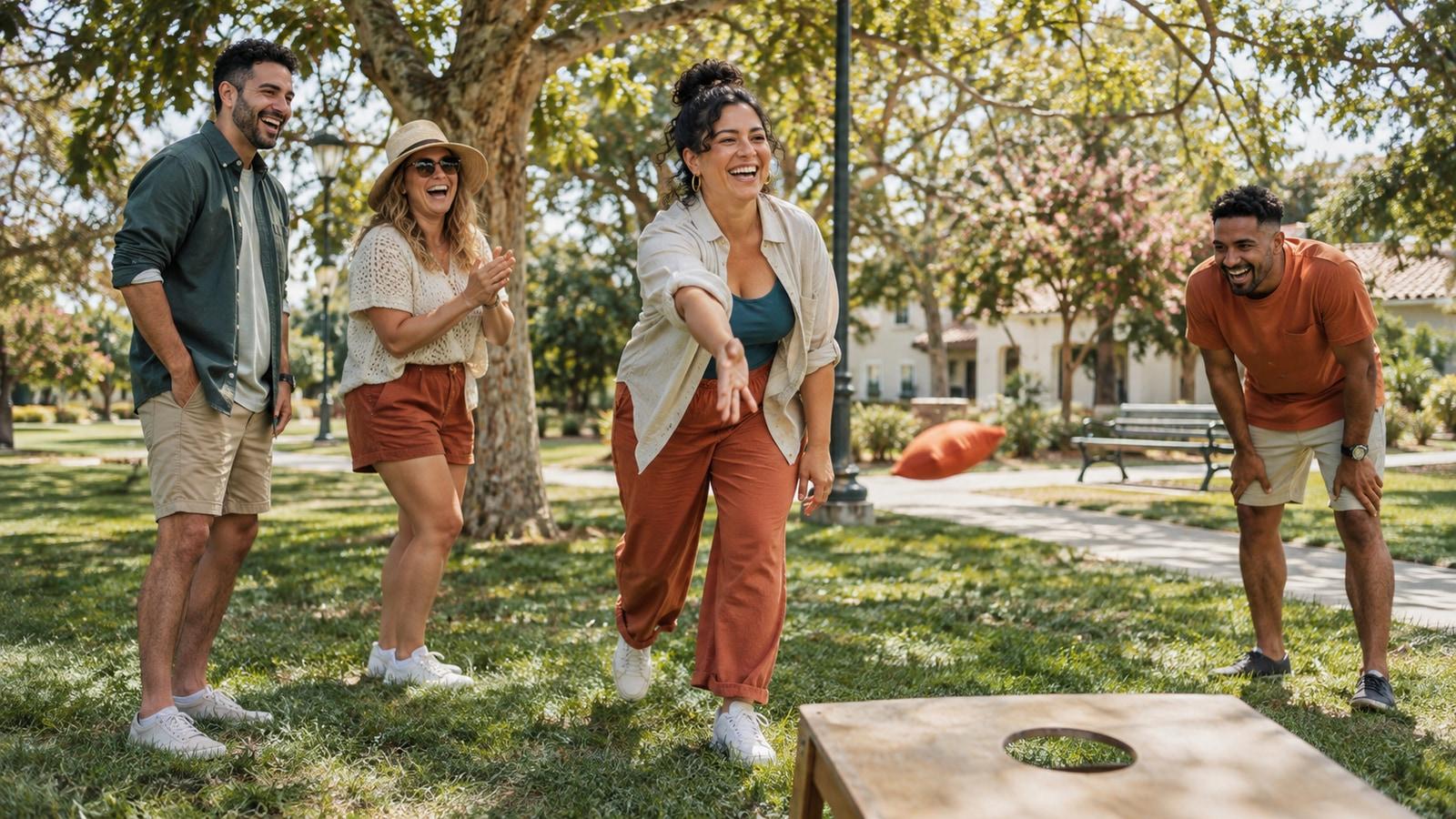
If you plan an outing, think about seating, accessible entrances, weather, transportation and cost. A park is lovely only if your guests can get there and have somewhere comfortable to rest. An indoor conversation or a video call can be just as meaningful as a more active plan.
You can also invite guests to suggest what they would enjoy. “Would you rather meet for coffee, visit the garden, or have people over for a game?” makes the choice collaborative without putting anyone on the spot about food.
Let food be available without making it a test
A gathering can include snacks or a meal without anyone needing to explain how much they eat. Offer food people can serve themselves when practical, provide nonalcoholic drinks, and give guests room to make their own choices. If someone has an allergy or another dietary need, ask what would be useful rather than guessing.
You don't need to announce that the event is “healthy” or ask people to avoid certain foods. A relative who wants a second slice of cake and a guest who wants none can both enjoy the party. Comments about another person's plate or body tend to draw attention away from the reason everyone came together.
If you're hosting, consider what you can manage comfortably. Store-bought food, a potluck or a few simple snacks are all options. Keep perishable foods safely chilled or hot as appropriate, and refrigerate leftovers promptly.
If your own appetite has changed
Some people taking GLP-1 medicines find that a large meal is less appealing or less comfortable than it used to be. You can start with an amount that feels right, choose what you enjoy and decide later whether you want more. You don't owe a group an explanation of your medication or your plate.
If you want a simple response to questions, try “I'm enjoying a little of everything” or “I'm good for now, thank you.” Then move the conversation to the event itself. If someone continues to press, it's okay to repeat your answer or change the subject.
If nausea persists or you’re struggling to eat or drink, contact your care team. A gathering is not a reason to skip needed meals, change medication, or push through symptoms that concern you.
Plan the timing around the people
An event between usual meal times might need only drinks and a snack; a gathering that spans lunch or dinner may need more substantial food or a clear note so guests can plan. You can say, “We'll have cake and coffee after lunch,” or “Bring a picnic if you'd like to eat with us.”
Clear expectations are considerate, especially for guests who need meals at particular times, have children, or travel a long way. A celebration with less emphasis on a large meal should still leave people able to eat when they need to.
Keep the tradition, change the shape
You can serve the dish your family expects in a smaller gathering, share stories before sitting down to eat, or keep dessert while moving the main activity to a game or performance. Ask which parts matter to the people involved before changing them; the answer may surprise you.
The best celebration is one where people feel welcome and have a chance to connect. Food can be part of that without being the only thing on the schedule.